
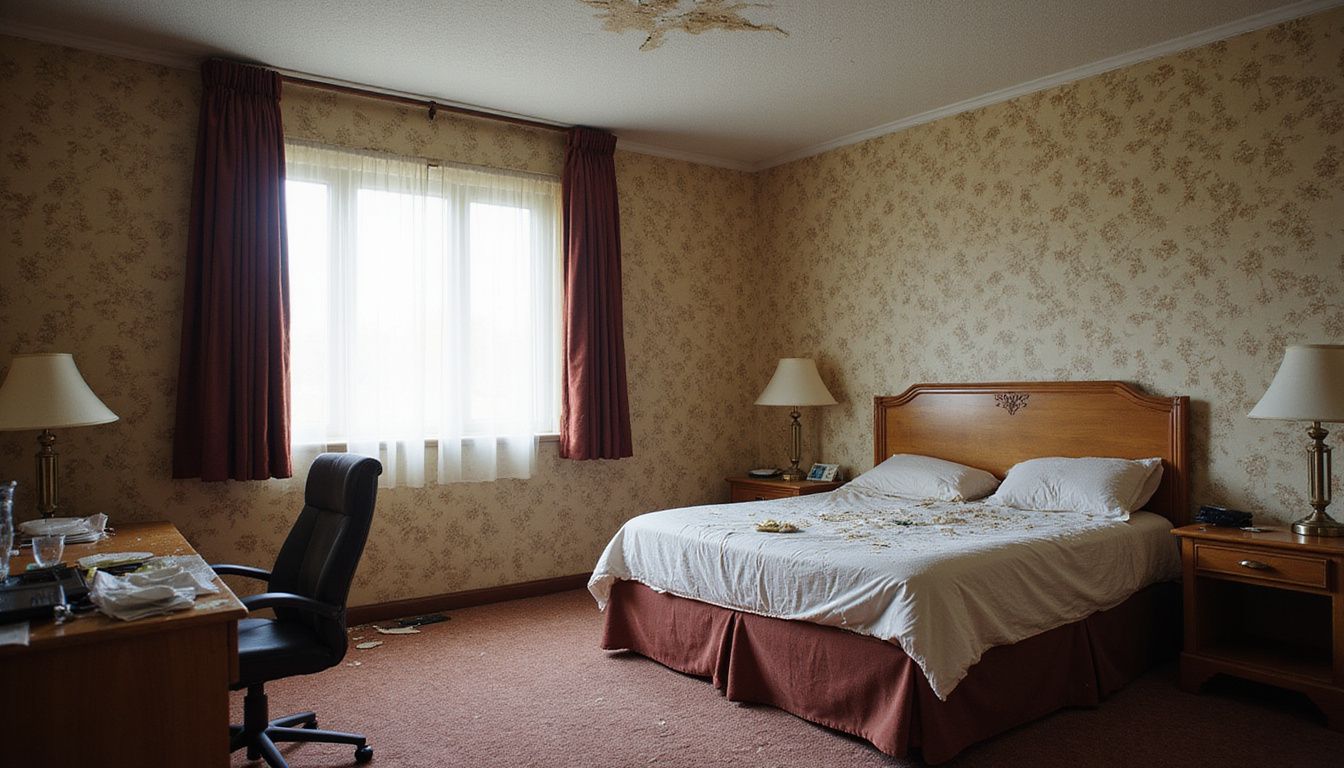
Travel Tips
Written by
BookYolo Team




A hotel booking usually fails before you ever reach the front desk. The problem starts when the listing creates one version of the stay online, but the property delivers something different in person: a smaller room, a blocked view, dated furniture, unavailable amenities, unexpected fees, or a location that feels less convenient than promised.
This is not always obvious false advertising. Sometimes the details are technically disclosed but easy to miss. A photo may show a better room category. A “city view” may be mostly rooftops. A “boutique” property may feel old rather than charming. A “short walk” may be inconvenient with luggage, children, or late-night arrivals.
The safest way to avoid disappointment is to compare the hotel’s promise with the evidence before booking. That means checking photos, room type, recent reviews, fee details, amenities, and repeated complaints — not just the rating or headline description.
The Problem with False Advertising in Hotel Bookings
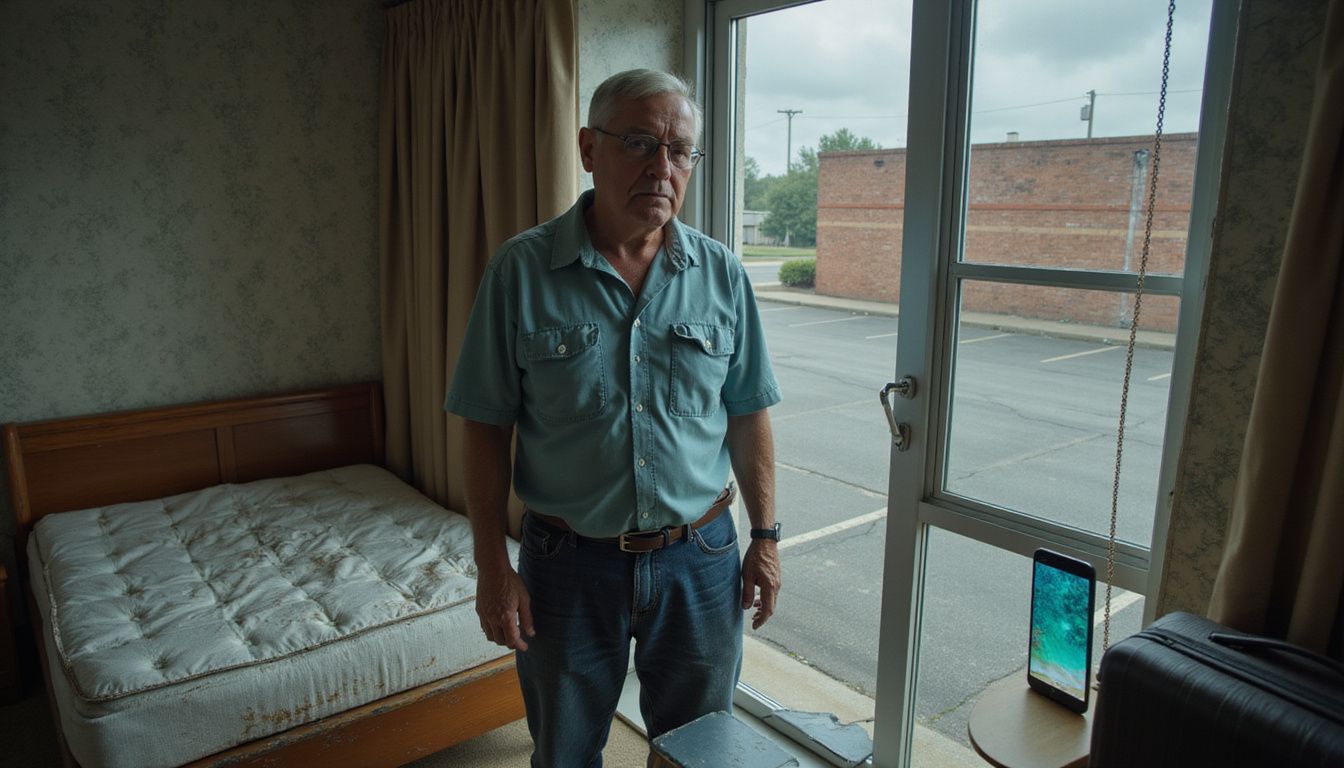
After the intro, the gap between ads and reality becomes clear. Hotels advertise luxury rooms with staged lighting and wide-angle photos. Booking sites like Google, Tripadvisor, and Oyster.com often show polished pictures.
Guests trust those images and expect a certain view, pool, or bathroom. False advertising hits travelers hard when reality differs. The room can be tiny; the window may face a brick wall, and the hotel pool might be closed or misrepresented.
'Booked a sea view; found a wall and a parking lot.'
I booked a "sea view" suite from a hotel website on a recent trip. The ad used staged lighting to hide the small layout. The picture promised an ocean but my actual window faced a brick wall and a noisy door below.
I took guest photos, uploaded them to Google and Tripadvisor, filed a complaint, and left a review. I felt cheated; the refund took weeks and the mood of my vacation sank.
Common Discrepancies Between Hotel Photos and Reality
I booked a rooftop room once and ended in a basement view.
Discrepancy | What photos show | Reality | My takeaway |
|---|---|---|---|
Room size |
|
|
|
Bed and linens |
|
|
|
View and location |
|
|
|
Amenities |
|
|
|
Cleanliness |
|
|
|
Lighting and photography |
|
|
|
Layout and noise |
|
|
|
Price and fees |
|
|
|
The Impact of Misleading Ads on Traveler Experience
False advertising turns a booked hotel into a surprise disaster. Photos promise a spacious room and an unobstructed ocean view, but guests find a cramped room, a blocked window, and a tiny hotel pool.
One guest posted on Tripadvisor, Oyster.com, and Google Maps that the pool looked like a puddle and the bathroom door scraped the wall. Another customer compared hotel website pictures to guest photos and opened a complaint with the site.
It feels like a bait and switch, and those moments wreck a vacation. Travelers write angry reviews, demand refunds, and drop low rates for hotels and vacation rentals. A friend joked, "That five-star photo looked like a stage set," and the hotel staff argued the shot showed a different door.
Hotel listing reality check: what to verify before you book
Before you reserve a hotel, look for places where the listing could create the wrong expectation.
Check:
whether the photos match the exact room category you are booking
whether the view is guaranteed or only shown as an example
whether the room size is listed clearly
whether amenities such as pool, gym, breakfast, shuttle, or parking are included, paid, seasonal, or unavailable
whether recent reviews mention “not as pictured,” “smaller than expected,” “dated,” “basic,” or “different from photos”
whether the final checkout price includes resort fees, destination fees, parking, and taxes
whether location claims like “central,” “near,” or “walking distance” match your actual itinerary
whether cancellation terms give you enough flexibility if something looks wrong before arrival
This kind of check makes the article more useful because it gives readers a concrete process, not just a warning.
Use BookYolo to check whether the hotel matches the promise
The biggest risk with hotel listings is not always a completely fake claim. More often, it is a gap between the impression created online and the experience travelers actually get. Photos, descriptions, ratings, and amenity lists can all make a hotel feel safer or better than it really is.
BookYolo helps travelers inspect that gap before booking. You can use it as a Hotel Review Checker, AI Hotel Checker, and Fake Hotel Review Detector to look for repeated complaints, vague praise, photo mismatch signals, fee surprises, room-quality concerns, and signs that the hotel may be oversold.
Instead of asking only whether the hotel looks good, BookYolo helps you ask whether the listing looks accurate. That is the difference between booking based on marketing and booking with a clearer view of the real stay.
Conclusion
Booking a hotel should be exciting, not disappointing. Many travelers face letdowns due to false advertising. Hotels often showcase dazzling images that don’t match reality. What you see in photos can differ vastly from your actual room or amenities.
Always check customer reviews and guest photos before clicking that booking button. Stay sharp and avoid the pitfalls of misleading ads; nobody wants a vacation disaster!
Before trusting hotel photos or polished descriptions, run the listing through BookYolo to check whether the property actually appears to match what it promises.
FAQs
1. What causes hotel bookings to fail due to false advertising?
Hotel bookings often fail because of misleading photos and descriptions. Guests arrive expecting a paradise, only to find reality falls short. It’s like ordering a gourmet meal and getting fast food instead.
2. How can I avoid disappointing stays when booking hotels?
To avoid disappointment, read reviews from previous guests. Look for recent feedback that highlights the real experience at the hotel. A little research goes a long way in ensuring you don’t end up with a lemon.
3. What should I do if my stay does not match what was advertised?
If your stay doesn't match expectations, speak up! Contact the hotel staff right away; they might offer solutions or compensation. If things still don't improve, consider leaving an honest review so others know what to expect.
4. Are there specific signs of false advertising in hotel listings?
Yes, watch out for overly edited photos or vague descriptions that lack details about amenities. If something sounds too good to be true, it probably is, like finding gold at the end of a rainbow! Always dig deeper before making that booking decision.
Back
