
Destinations Guides
Written by
BookYolo Team




Barcelona and Lisbon both offer sun, food, culture, and strong city-break appeal, but they are not interchangeable. Barcelona feels bigger, busier, and more cosmopolitan, while Lisbon is often more relaxed, scenic, and value-oriented.
This guide compares the two cities across atmosphere, cost, food, transport, beaches, and accommodation expectations. Before choosing where to stay, it is worth checking more than the average rating. BookYolo helps travelers inspect hotels and vacation rentals for recurring issues, vague praise, overselling, and hidden red flags before booking.
Key Takeaways
Barcelona offers cosmopolitan energy with higher costs, while Lisbon provides laid-back charm at 30-40% lower accommodation rates.
Barcelona excels in tapas culture and Catalan cuisine, while Lisbon specializes in fresh Atlantic seafood and famous pastel de nata.
Barcelona features efficient metro systems and bustling beaches, while Lisbon offers iconic vintage trams and peaceful coastal escapes.
Lisbon delivers better value for money with authentic hospitality standards compared to Barcelona's premium pricing and tourist traps.
Both cities provide distinct Mediterranean experiences - Barcelona for vibrant nightlife and sports culture, Lisbon for tranquil exploration.
Vibe and Atmosphere
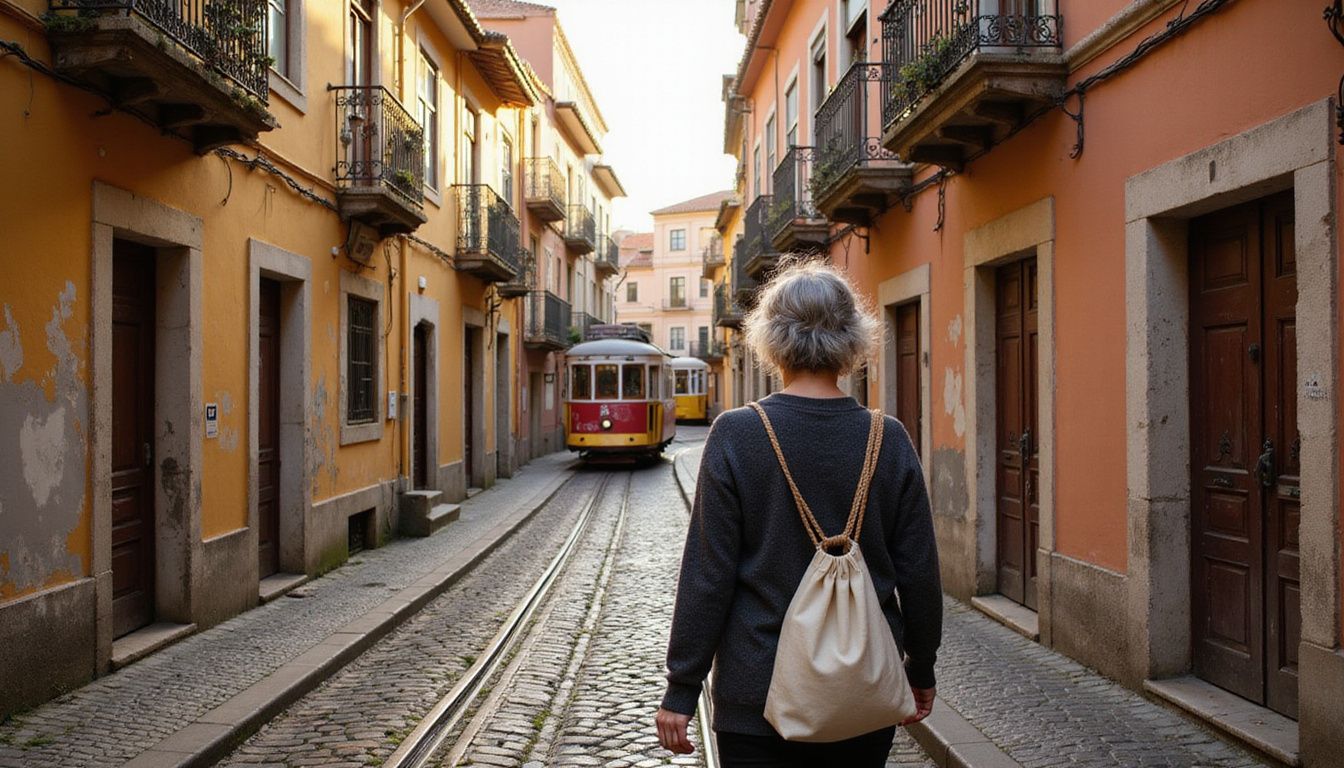
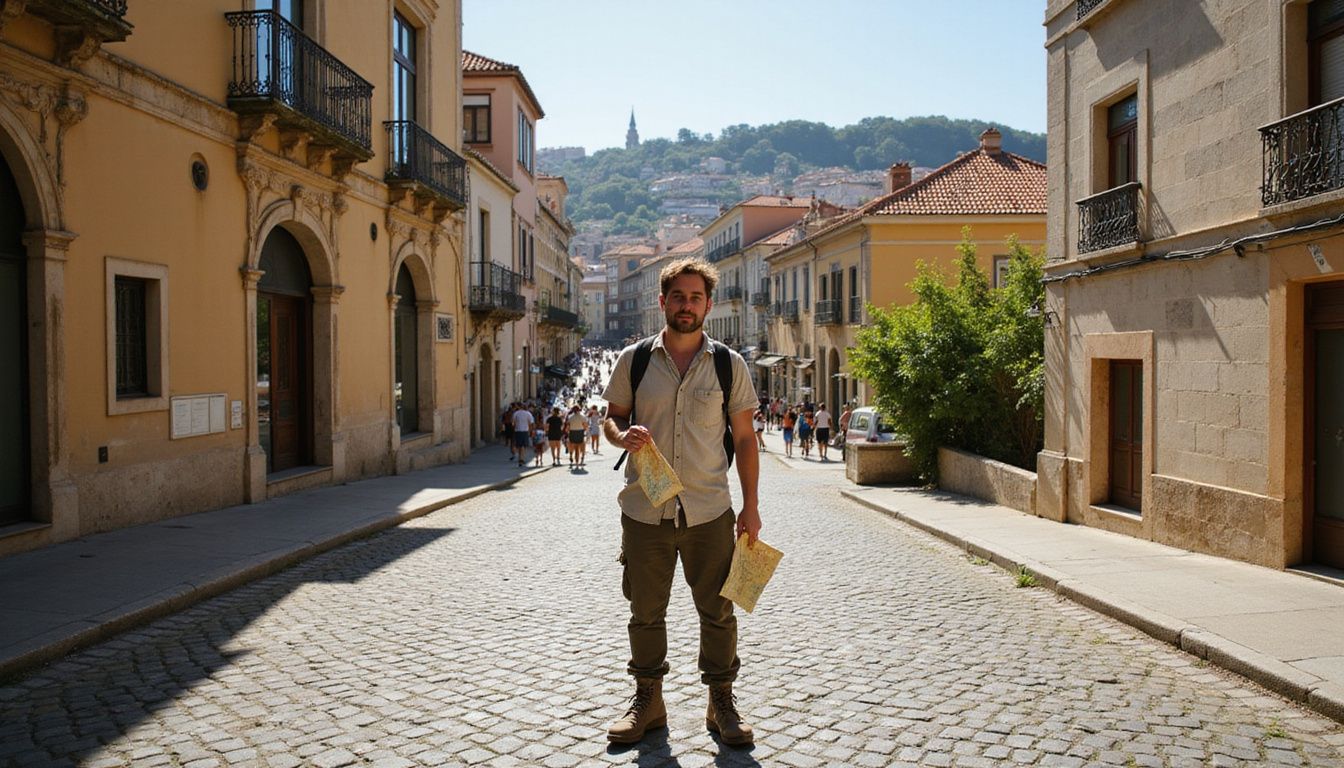
Barcelona pulses with cosmopolitan energy that never sleeps, from the bustling Las Ramblas to the artistic Gothic Quarter where Gaudí's masterpieces dot every corner. Lisbon wraps you in old-world charm with its cobblestone streets and iconic Tram 28 winding through neighborhoods like Alfama, where fado music drifts from tiny tavernas overlooking the Tagus River.
Barcelona: Cosmopolitan and vibrant
This Spanish metropolis pulses with energy day and night. Locals and tourists fill the streets, creating a dynamic mix of cultures and languages. The city blends modern architecture with historic neighborhoods like the Gothic Quarter.
Street performers entertain crowds along Las Ramblas while cafes buzz with conversation. Barcelona's cosmopolitan spirit shows in its diverse food scene, art galleries, and nightlife options.
Antoni Gaudí's masterpieces, including the Sagrada Família and Park Güell, add artistic flair to the urban landscape. The Mediterranean location brings warm weather and beach access right in the city.
Catalan culture thrives alongside international influences, making every corner feel alive. From Camp Nou's roaring crowds to quiet tapas bars, the city offers experiences for every type of traveler.
This vibrant atmosphere makes Barcelona feel like the world's cultures have come together in one exciting place.
Lisbon: Charming and laid-back
While Barcelona pulses with cosmopolitan energy, Lisbon takes a completely different approach. Portugal's capital embraces a charming and laid-back atmosphere that immediately puts visitors at ease.
The city moves at a slower pace, allowing travelers to savor each moment without feeling rushed.
Cobblestone streets wind through historic neighborhoods like Principe Real, where locals chat at sidewalk cafes over coffee and pastel de nata. Trams clatter gently up steep hills, carrying passengers past colorful buildings that seem painted by an artist's brush.
The relaxed vibe extends from morning markets to evening strolls along the Tagus River. Lisbon offers tranquility that busy cities often lack, making it perfect for those seeking cultural experiences without the overwhelming crowds.
Day trips to nearby Sintra or Cascais maintain this peaceful rhythm, letting visitors explore at their own comfortable speed.
Food and Culinary Experiences
Your taste buds will face a delicious dilemma between Barcelona's famous tapas culture and Lisbon's incredible seafood scene. Both cities serve up culinary adventures that could make or break your travel itinerary, so let's dig into what makes each destination a foodie's paradise.
Barcelona: Tapas and Catalan cuisine
Barcelona delivers a food lover's paradise with its famous tapas culture and distinctive Catalan cuisine. Small plates rule the dining scene here. Patatas bravas, jamón ibérico, and pan con tomate fill restaurant menus across the city.
Local chefs blend traditional Spanish flavors with Mediterranean influences. You'll discover dishes like escalivada (roasted vegetables) and butifarra (Catalan sausage) that showcase regional specialties.
The city's culinary exploration opportunities extend far beyond basic Spanish fare.
Catalan cuisine sets Barcelona apart from other Spanish destinations through its bold flavors and creative presentations. Restaurants serve paella valenciana alongside innovative fusion dishes.
Food markets like La Boqueria offer fresh ingredients and ready-to-eat specialties. Many travelers find that understanding Barcelona's culinary offerings enhances their overall experience significantly.
The choice between Barcelona and Lisbon often depends on personal preferences for Catalan cuisine versus Portuguese seafood traditions. Barcelona's tapas scene creates social dining experiences that bring people together over shared plates and local wines.
Lisbon: Fresh seafood and pastel de nata
Lisbon serves up some of the freshest seafood you'll find in Europe. Grilled sardines sizzle on street corners while fishmongers hawk their daily catch at local markets. The city's coastal location means restaurants get deliveries straight from Atlantic waters.
Cod dishes dominate menus, from traditional bacalhau to modern preparations. Octopus salad appears on nearly every table, tender and dressed with olive oil.
Pastel de nata steals the spotlight as Lisbon's signature dessert. These custard tarts originated at Mosteiro dos Jerónimos centuries ago. Crispy pastry shells cradle creamy custard centers with caramelized tops.
Locals queue at bakeries for warm tarts dusted with cinnamon. BookYolo helps travelers find accommodations near the best pastelerias, so you can grab fresh tarts for breakfast. Guest feedback on the platform reveals which neighborhoods offer the most authentic food experiences, making your culinary adventure smoother.
Cost Comparison
Your wallet will feel the difference between these two cities. Barcelona tends to drain your travel budget faster, while Lisbon offers more bang for your buck without sacrificing the experience.
Barcelona: Generally more expensive
Barcelona hits your wallet harder than Lisbon does. Travelers face higher accommodation costs across the city, from budget hostels to luxury hotels. A night at Hotel Lloret Ramblas or similar properties costs significantly more than comparable stays in Portugal's capital.
Dining expenses add up quickly too. Tapas bars and restaurants charge premium prices, especially near popular spots like La Sagrada Familia or Park Guell.
Transportation costs pile on extra expenses throughout your stay. Metro tickets, taxis, and even bike rentals demand more euros than Lisbon's options. Daily expenses stack up fast in this Catalan city.
Budgeting for a Barcelona trip requires planning for these higher price points. Smart travelers factor in these costs before booking their Spanish adventure.
Lisbon: Budget-friendly travel option
Lisbon delivers incredible value for your travel budget. Your euros stretch much further here than in Barcelona. Hotels cost roughly 30-40% less than Barcelona's rates. Meals at local restaurants run about half the price you'd pay in Spain's Catalan capital.
A hearty Portuguese dinner with wine often costs under 20 euros per person.
BookYolo helps travelers spot hidden costs before booking accommodations in Lisbon. The platform analyzes listing information and guest feedback to reveal quality signals that photos might hide.
This free service covers all major online travel agencies, giving you comprehensive insights into your potential stay. Smart travelers use these tools to avoid unpleasant surprises and find genuine value in Portugal's capital. Vacation rentals can vary widely in quality, even when ratings look strong. BookYolo acts as an AI Vacation Rental Checker, helping travelers inspect public listing signals and review patterns before making a booking decision.
St. George's Castle offers stunning city views, while the historic neighborhoods provide endless exploration without breaking your budget.
Smart travelers use tools like BookYolo to decode listing descriptions and avoid unpleasant financial surprises at checkout, whether they're booking a stay near St. George's Castle in Lisbon or exploring Antoni Gaudi's Barcelona.
Beaches and Outdoor Activities
Barcelona's beaches buzz with volleyball games and beach bars, while Lisbon offers peaceful coastal escapes along dramatic cliffs. Both cities serve up outdoor adventures, but each delivers a completely different flavor of seaside fun.
Barcelona: Bustling beaches and sports
Barcelona's coastline offers sandy stretches right in the city center. Barceloneta Beach draws crowds with volleyball courts and waterfront restaurants. The Mediterranean waters stay warm enough for swimming from May through October.
Beach bars serve cold drinks while DJs spin music that echoes across the sand. Water sports rentals line the shore, from paddleboards to jet skis.
Sports culture runs deep through Barcelona's veins. FC Barcelona's Camp Nou stadium attracts millions of visitors each year. The city hosted the 1992 Olympics, leaving behind world-class facilities that locals still use today.
Basketball courts dot neighborhood parks while tennis clubs welcome players of all skill levels. Cycling paths stretch along the coast, connecting beaches to the city's Olympic Port.
Weekend warriors fill these spaces, turning exercise into social events that capture Barcelona's energetic spirit.
Lisbon: Scenic coastline and tranquility
While Barcelona offers urban beach energy, Lisbon provides a completely different coastal experience. Portugal's capital sits along the Tagus River and Atlantic Ocean, creating stunning waterfront views that feel worlds away from crowded city beaches.
Lisbon's coastline stretches beyond the city limits to peaceful spots like Cascais and Estoril. These areas offer golden sand beaches without the party atmosphere. You can catch trams to reach quiet coves or take day trips to Sintra's dramatic cliffs.
The city's seven hills provide incredible viewpoints where you can watch ships sail past St. George's Castle while enjoying the ocean breeze.
Portugal's coastline stretches like a golden ribbon along the Atlantic, offering beach towns that make Lisbon an even more attractive base for your trip. Cascais sits just 30 minutes from the capital by train, serving up pristine sands and a charming fishing village atmosphere.
This former royal retreat now buzzes with beachgoers who love its protected bay and excellent seafood restaurants.
Sintra's coastal areas provide a different flavor entirely, with dramatic cliffs and secluded coves that feel worlds away from city life. The region around St. George's Castle offers easy access to these coastal gems through Portugal's efficient rail system.
Beach lovers can hop between multiple spots in a single day, from the family-friendly shores of Estoril to the surfer-friendly waves of Ericeira, making Lisbon the perfect launching pad for coastal adventures.
Accessibility and Transportation
Getting around Barcelona and Lisbon feels like comparing a sleek metro system to charming vintage trams that climb steep hills - both cities offer distinct transportation experiences that can make or break your trip.
Barcelona: Efficient public transit
Barcelona's public transit system puts most cities to shame. The Metro runs like clockwork with four color-coded lines that connect every corner of the city. Buses fill in the gaps where trains don't reach.
You can hop on a bus or train every few minutes during peak hours. The system covers popular spots like Montserrat day trips and connections to coastal towns like Sitges. Rick Steves' Europe often highlights how easy Barcelona makes getting around without a car.
Getting a T-10 ticket saves money if you plan multiple trips. This pass works on buses, trains, and the Metro system. The network extends beyond the city center to beaches and suburbs.
Late-night services keep running until 2 AM on weekends. Mobile apps show real-time arrivals and route planning. The transit system connects major attractions, shopping districts, and residential areas seamlessly.
Most signs appear in both Catalan and Spanish, making navigation simple for visitors.
Lisbon: Iconic trams and walkable streets
Lisbon's famous yellow trams rattle through cobblestone streets like moving postcards. These vintage cars climb steep hills and squeeze through narrow alleys that would challenge any modern vehicle.
Tram 28 takes you on a scenic tour past major attractions without buying an expensive tour package. The city's compact design makes walking between neighborhoods a breeze. Most attractions sit within a comfortable stroll of each other.
Lisbon's transport system blends old-world charm with practical mobility. The historic trams connect seamlessly with buses and metro lines throughout the city. Walking remains the best way to discover hidden cafes tucked into quiet squares.
The city's layout encourages exploration on foot, unlike sprawling destinations that demand constant taxi rides. Barcelona's extensive metro network offers a completely different travel experience for getting around the city.
FAQs
1. Which city offers better day trips, Barcelona or Lisbon?
Barcelona takes the crown here. You can catch a train to Girona's medieval streets or visit Figueres to see Dalí's surreal museum. Lisbon offers fewer knockout day trip options within easy reach.
2. What makes Lisbon special for evening entertainment?
Lisboa a noite comes alive with fado music echoing through narrow alleys. The city transforms after dark, offering intimate restaurants and rooftop bars with stunning views.
3. Should I consider a cruise when visiting either city?
A Windstar cruise can add serious magic to your trip. Both cities serve as excellent ports, but Lisbon's location gives you better access to Portugal's dramatic coastline.
4. Which city has more UNESCO World Heritage sites nearby?
This one's a tie that'll make your head spin. Barcelona boasts several UNESCO World Heritage gems, while Lisbon puts you close to sites like St. George's Castle and other protected treasures. Both cities deliver history buffs plenty to explore.
Back
