
Destinations Guides
Written by
BookYolo Team




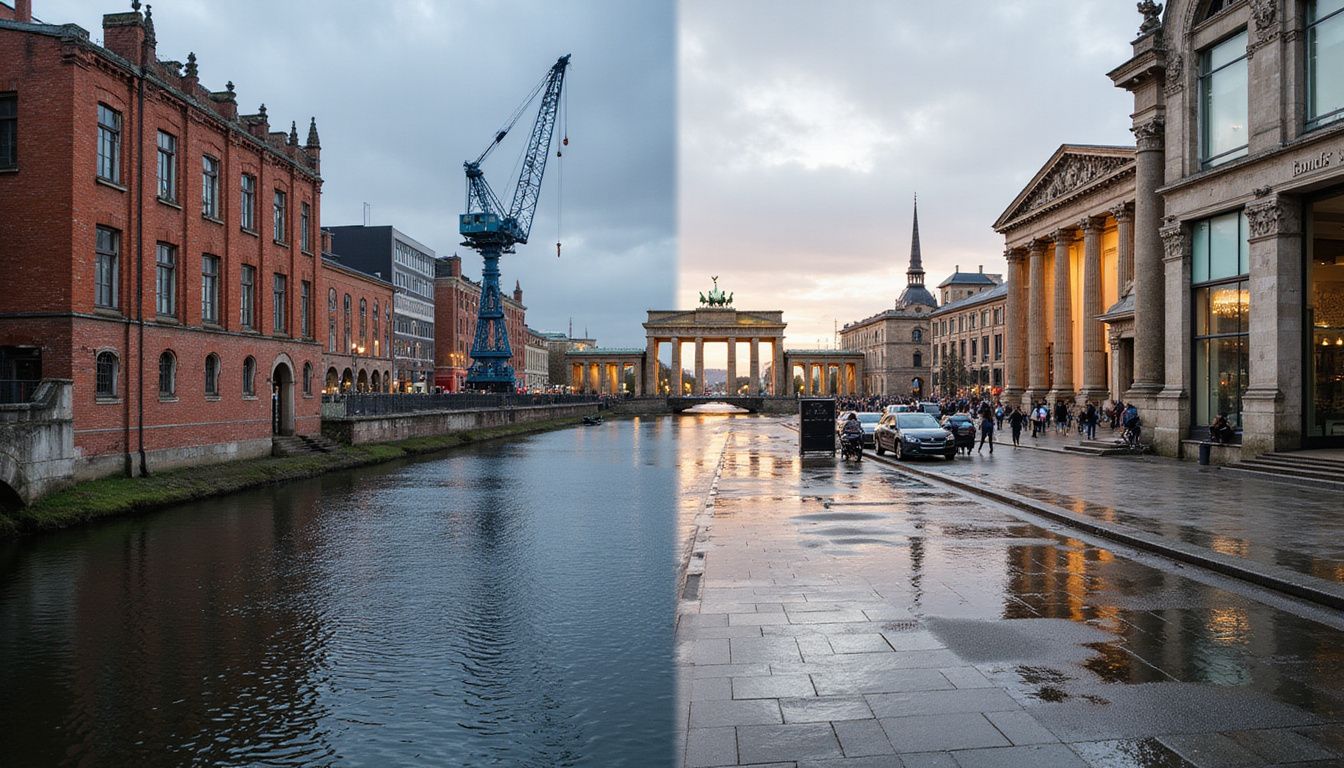
Choosing between Hamburg and Berlin for your next German adventure can feel like picking between two amazing desserts. Berlin draws over 14 million visitors yearly with its rich history and vibrant culture, while Hamburg charms travelers with its maritime heritage and stunning waterfront views.
This guide breaks down everything from budget travel costs and public transport to local cuisine and must-see attractions like Museum Island and Miniatur Wunderland. Let's settle this debate once and for all.
Key Takeaways
Berlin attracts 14 million visitors yearly with extensive WWII and Cold War landmarks, while Hamburg offers maritime heritage through Speicherstadt and Europe's busiest ports.
Berlin costs 10-15% less than Hamburg for accommodations and activities, with budget hostels starting at $15 versus Hamburg's $20 nightly rates.
Hamburg features Miniatur Wunderland and Elbphilharmonie concert hall, while Berlin showcases Museum Island, Brandenburg Gate, and the world's longest open-air gallery.
Berlin's legendary nightlife runs continuously from Friday to Monday, contrasting with Hamburg's Reeperbahn district offering live music venues and red-light entertainment.
Berlin serves 3.7 million residents across 344 square miles with intense urban energy, while Hamburg houses 1.9 million people offering relaxed coastal charm.
Hamburg vs. Berlin: The Basics
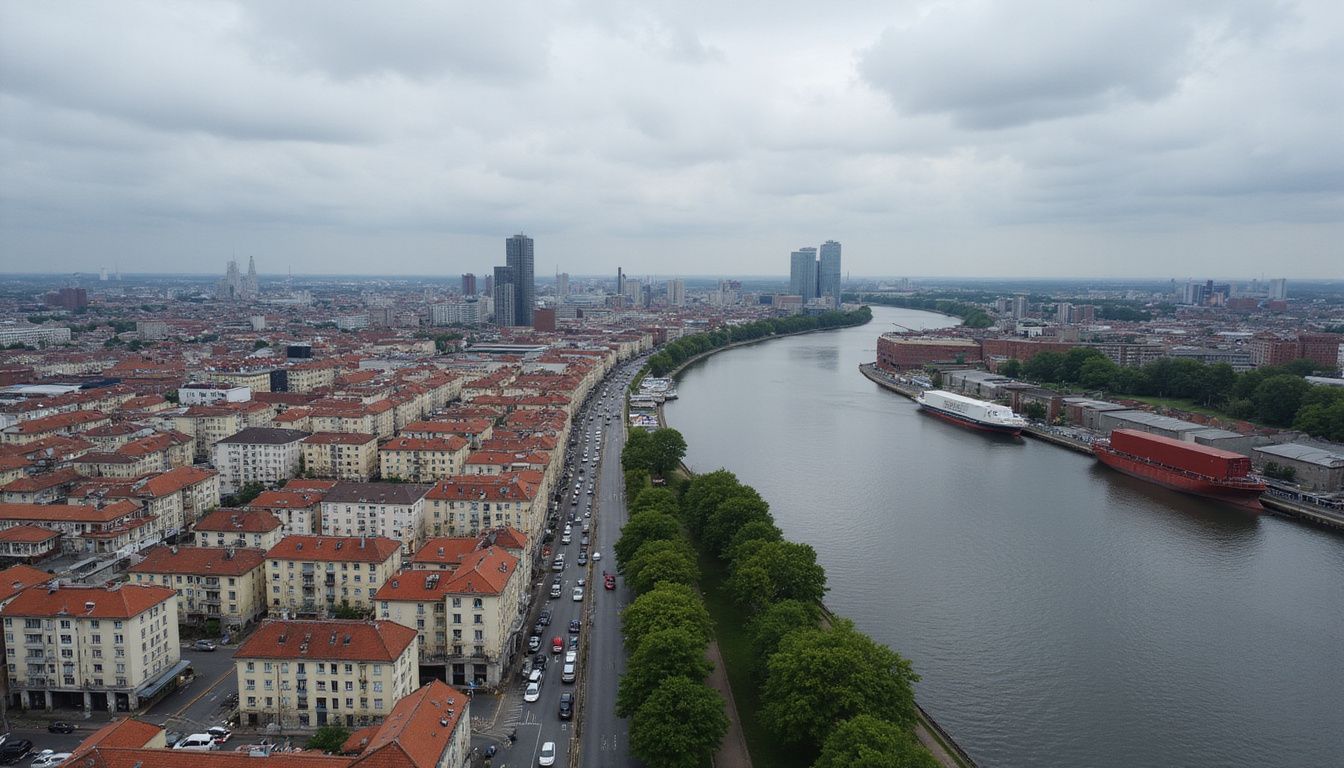
Berlin packs 3.7 million people into its sprawling 344 square miles, making it Germany's political powerhouse and cultural melting pot. Hamburg feels more intimate with 1.9 million residents spread across 292 square miles, where maritime charm meets modern city life along the Elbe River.
Population and Size
Let's break down the numbers and see how these two German powerhouses stack up against each other.
Category | Berlin | Hamburg |
|---|---|---|
Population | 3.7 million | 1.9 million |
City Area | 891 square kilometers | 755 square kilometers |
Population Density | 4,100 people per sq km | 2,500 people per sq km |
Metropolitan Area | 6.1 million | 5.1 million |
Status | Capital city and federal state | Second-largest city |
Germany's capital takes the crown for sheer size. Nearly twice as many people call it home compared to Hamburg. The capital sprawls across a bigger footprint too. More space means more neighborhoods to explore.
Hamburg packs fewer people into its borders. This creates a different feel altogether. Streets feel less crowded. You'll find more breathing room in parks and cafes.
Population density tells an interesting story. The capital crams more residents into each square kilometer. Hamburg spreads its population more evenly. Walking through Hamburg feels more relaxed as a result.
Both cities rank as major metropolitan areas. Their surrounding regions boost the total numbers significantly. The capital's metro area edges ahead by about a million people.
Size affects your travel experience in surprising ways. Larger cities offer more attractions and activities. Smaller cities let you cover ground faster. Hamburg's compact nature means shorter travel times between sights.
General Vibe and Atmosphere
Beyond the numbers, these two German powerhouses feel completely different. Hamburg carries itself with maritime confidence and a relaxed coastal spirit. The city breathes at a slower pace, where locals sip coffee by the Alster lakes and watch boats drift along the waterways.
This Hanseatic League veteran maintains its merchant town charm, even as modern skyscrapers rise around the historic Speicherstadt.
Berlin pulses with raw energy that never sleeps. The capital throws you into a whirlwind of street art, political history, and creative chaos. Neighborhoods like Kreuzberg and Prenzlauer Berg buzz with artists, students, and entrepreneurs who fuel the city's restless spirit.
Cold War scars still mark the streets, but they've transformed into galleries, clubs, and cultural spaces that define modern Berlin.
Hamburg feels like a warm handshake, while Berlin feels like a shot of espresso at midnight.
Comparing History and Culture
Berlin wears its turbulent past like battle scars, with remnants of World War II and Cold War divisions etched into every street corner. Hamburg tells a different story through its red-brick warehouses and maritime museums, where centuries of seafaring trade shaped Northern Europe's gateway to the world.
Berlin: WWII and Cold War Landmarks
History buffs hit the jackpot in Germany's capital. The city serves as a living museum where WWII and Cold War events shaped every street corner. The Berlin Wall Memorial stands as a powerful reminder of divided families and broken dreams.
Checkpoint Charlie recreates the tense atmosphere where East met West during the Cold War era. The Holocaust Memorial provides a sobering space for reflection about one of history's darkest chapters.
Brandenburg Gate witnessed both Nazi parades and the fall of communism.
Cold War landmarks tell stories that textbooks can't capture. The Topography of Terror sits on the former SS headquarters site, displaying chilling evidence of Nazi crimes. East Side Gallery transforms a remaining Berlin Wall section into the world's longest open-air gallery.
The Pergamon Museum houses ancient artifacts that survived wartime bombing. Tempelhof Field, once Hitler's airport, now hosts picnics and kite flying. These sites offer visitors deep insights into European history that shaped our modern world.
Hamburg: Maritime History and Heritage
Hamburg's maritime heritage runs deeper than the spree river runs through Berlin. This bustling seaport ranks among Europe's busiest harbors, shaping the city's identity for centuries.
Ships from around the world dock here daily, carrying goods to and from distant lands like denmark and beyond. The harbor doesn't just drive Hamburg's economy; it creates the city's soul.
Maritime traditions influence everything from local festivals to architectural styles throughout the city.
Speicherstadt stands as Hamburg's crown jewel, showcasing the city's nautical past through red-brick warehouses that once stored coffee, spices, and tea. The International Maritime Museum tells stories of seafaring adventures and naval battles that shaped world history.
These landmarks attract visitors who want to explore Germany's maritime culture beyond typical city exploration. Cultural events celebrate Hamburg's connection to the sea, drawing travelers interested in nautical heritage.
The harbor's influence makes Hamburg distinct from inland cities like munich or berlin, offering experiences you can't find elsewhere in Germany.
Top Things to Do in Hamburg
Hamburg packs a punch with attractions that'll make your jaw drop. From the world's largest model railway to a concert hall that looks like a crystal wave, this port city serves up experiences you won't find anywhere else.
Visit Miniatur Wunderland
Miniatur Wunderland stands as the world's largest model railway exhibit. This incredible attraction showcases detailed miniature landscapes and models that will blow your mind. You'll find tiny trains chugging through perfect replicas of famous cities, airports with planes that actually take off, and ships sailing through miniature harbors.
The craftsmanship is absolutely stunning.
Families love this place because kids and adults get equally mesmerized. The exhibit covers multiple floors and different countries. You can spend hours watching the tiny details come to life.
Day trips to this attraction often turn into full afternoons of wonder. Book your tickets online to skip the lines, especially during busy travel seasons.
Explore Elbphilharmonie Hamburg
The Elbphilharmonie stands tall like a glass crown on Hamburg's waterfront. This concert hall opened in 2017 and quickly became the city's most famous landmark. The building sits on top of an old brick warehouse, creating a stunning mix of old and new architecture.
Visitors can take an escalator that curves upward for 80 meters, offering amazing views of the harbor below.
The Plaza viewing deck sits 37 meters high and gives you panoramic views of Hamburg for free. You can see the port, the Speicherstadt, and ships sailing by. The main concert hall inside features a vineyard-style design where seats surround the stage.
Even if you don't catch a show, the building's wave-like glass facade makes it worth seeing from the outside. Walking through Speicherstadt afterward lets you explore more of Hamburg's maritime charm.
Walk through Speicherstadt
Speicherstadt stands as Hamburg's crown jewel, a brick-built warehouse district that tells stories of maritime trade and commerce. This historical area earned UNESCO World Heritage status for good reason.
Red brick buildings rise from canals like something from a fairy tale. Gothic Revival architecture creates stunning backdrops for photos. Walking these cobblestone streets feels like stepping back in time to when Hamburg ruled the spice trade.
BookYolo offers great accommodation insights for travelers planning extended stays in this area. The district connects seamlessly to HafenCity, making it easy to explore both old and new Hamburg in one trip.
Bridges arch over peaceful waterways where boats once carried coffee, tea, and exotic goods from around the world. Small cafes and museums now fill spaces where merchants once stored their treasures.
This walk helps travelers avoid the typical tourist traps while experiencing authentic Hamburg culture.
Take a boat tour of the port
Boat tours offer an incredible way to see Hamburg's massive port from the water. These excursions give you front-row seats to watch container ships, cargo vessels, and historic warehouses that line the harbor.
Various operators run different types of tours throughout the day. Some focus on the industrial side of the port, while others highlight the city's maritime heritage. You'll cruise past towering cranes, bustling docks, and the famous Speicherstadt warehouse district.
The tours typically last one to two hours and provide commentary about Hamburg's role as Germany's gateway to the world.
Most boat operators offer multiple departure times daily, making it easy to fit a tour into your travel schedule. Platforms like BookYolo simplify the booking process for tourists who want to secure their spots in advance.
The experience becomes even more special during sunset when the harbor lights begin to twinkle. Many visitors say the boat tour helped them understand why Hamburg calls itself "The Gateway to the World." You'll see firsthand how this port connects Germany to Copenhagen, other European cities, and destinations worldwide through its busy shipping channels.
Make chocolate at Chocoversum
Chocoversum stands as one of Hamburg's top attractions for good reason. This interactive chocolate museum lets you create your own sweet treats from scratch. You'll learn about cocoa beans and watch the chocolate-making process unfold before your eyes.
The hands-on experience beats reading about chocolate in any textbook.
Rolling up your sleeves, you'll mix ingredients and mold your personalized chocolate bar. The smell of melting cocoa fills the air as you work alongside other chocolate enthusiasts.
Kids and adults both love this activity, making it perfect for families exploring Hamburg together. Your custom creation makes a tasty souvenir that won't last long once you get home.
Top Things to Do in Berlin
Berlin serves up history on a silver platter with attractions that'll blow your mind. From government buildings to street art that tells stories, this city packs more punch per square mile than a heavyweight boxer.
Visit the Reichstag
The Reichstag stands as Berlin's crown jewel for political history buffs. This impressive building houses Germany's parliament and offers spectacular views from its glass dome. You can walk up the spiral ramp inside the dome while learning about German democracy through audio guides.
The building itself tells stories of triumph and tragedy, from its construction in 1894 to its role during World War II.
Free tours run throughout the day, but you must book ahead online. The dome closes at midnight, making it perfect for sunset visits. Security checks take time, so arrive early for your scheduled slot.
Many visitors combine their Reichstag trip with nearby attractions in Mitte district. The experience gives you both stunning city views and deep insights into German political history.
See the Berlin Wall and East Side Gallery
The Berlin Wall and East Side Gallery stand as powerful reminders of Germany's divided past. This historic site draws millions of visitors who want to understand Berlin's complex history.
The East Side Gallery stretches for over a mile along the Spree River. Artists from around the world painted colorful murals on the remaining concrete sections. These artworks tell stories of hope, freedom, and reunification.
You'll find famous pieces like "The Kiss" and "Test the Rest" that capture the spirit of change.
Walking along this open-air gallery feels like stepping through a history book. The contrast between the gray concrete and vibrant art creates a striking visual experience. Cafes and shops line the area, making it easy to spend hours exploring.
Many travelers combine this visit with nearby Treptower Park for a full day of sightseeing. The site serves as both a memorial and a celebration of artistic freedom. Street performers often add to the atmosphere with music and entertainment.
This attraction offers one of the best travel tips for understanding Berlin's transformation from division to unity.
Explore Museum Island
Museum Island stands as Berlin's crown jewel for culture lovers. This UNESCO World Heritage site houses five world-class museums on a single island in the Spree River. You can walk through thousands of years of history without leaving the area.
The Pergamon Museum showcases ancient architecture that will blow your mind. Neues Museum displays Egyptian artifacts, including the famous bust of Nefertiti. Each building tells a different story about human civilization.
Art enthusiasts spend entire days exploring the collections here. The Altes Museum focuses on Greek and Roman antiquities. Bode Museum features Byzantine art and sculptures. You'll find everything from prehistoric tools to Renaissance masterpieces.
The island attracts millions of visitors each year who come to see these incredible treasures. Plan at least half a day to scratch the surface of what's available. Many travelers say Museum Island alone makes Berlin worth visiting.
See Brandenburg Gate
Brandenburg Gate stands as Berlin's most famous landmark. This massive stone archway has watched over the city for more than 200 years. The gate survived wars, division, and reunification.
Today, it symbolizes German unity and freedom.
Tourists flock here day and night to snap photos and soak up history. The structure rises 85 feet high and spans 213 feet wide. Six columns support the top, where a horse-drawn chariot sits proudly.
Street performers often gather nearby, adding energy to the scene. You can walk right through the gate, just like millions of people have done before you.
Pay respects at the Holocaust Memorial
The Holocaust Memorial stands as Berlin's most powerful reminder of history's darkest chapter. This massive field of concrete blocks creates an emotional experience that hits visitors hard.
The memorial honors the six million Jewish victims who lost their lives during World War II. Each concrete slab varies in height, creating an uneven landscape that symbolizes the chaos and loss of that terrible time.
Walking through the memorial feels like stepping into a maze of memory and reflection. The design encourages quiet contemplation about the Holocaust's impact on millions of families.
Visitors often describe feeling overwhelmed by the weight of history as they move between the towering concrete blocks. This significant landmark educates people about genocide while serving as a place for remembrance and respect.
Nightlife: Berlin vs. Hamburg
Berlin's legendary club scene runs all weekend long, with venues like Berghain keeping doors open from Friday night until Monday morning. Hamburg's Reeperbahn district offers a different kind of energy, mixing live music venues with traditional pubs and the famous red-light entertainment that draws visitors from across Europe.
Berlin’s Iconic Nightclubs
Berlin transforms after dark into a pulsing playground for night owls. The city's clubs offer experiences that span every music taste and party style you can imagine. Techno temples like Berghain draw crowds from around the globe, while smaller venues serve up everything from house beats to experimental sounds.
These spaces create cultures and subcultures that make Berlin a true nightlife capital.
Each club brings its own atmosphere and vibe to the table. Many venues welcome everyone with open arms, creating inclusive environments where people express themselves freely. The music scenes here push boundaries and set trends that ripple across Europe.
Exploring these iconic spots becomes essential for anyone wanting to taste Berlin's vibrant culture. The contrast with Hamburg's Reeperbahn district shows how each German city carves out its own after-dark identity.
Hamburg’s Reeperbahn District
While Berlin dominates the techno scene, Hamburg offers a completely different nightlife experience. The Reeperbahn District stands as Germany's most famous entertainment quarter. This mile-long street pulses with energy from sunset to sunrise.
Red neon lights illuminate countless bars, clubs, and theaters along this historic strip. The Beatles performed here in their early days, cutting their teeth in smoky clubs before global fame.
Today, visitors find everything from rock venues to cabaret shows. The district attracts party-goers who want something grittier than Berlin's polished club scene. Street performers entertain crowds while döner kebab vendors fuel late-night adventures.
Food Scene Comparison
Both cities serve up incredible food scenes that'll make your taste buds dance. Berlin brings you famous currywurst and berliner doughnuts, while Hamburg dishes out fresh seafood straight from the port.
Traditional Dishes in Berlin
Berlin's food scene revolves around hearty, no-nonsense dishes that stick to your ribs. Currywurst reigns supreme as the city's most beloved street food. This simple creation features sliced bratwurst smothered in curry-spiced ketchup and sprinkled with curry powder.
Food stands across the city serve this local favorite, making it perfect fuel for sightseeing adventures. Döner kebab also claims a special place in Berlin's culinary heart, brought by Turkish immigrants and now considered a Berlin staple.
Traditional German fare fills restaurant menus throughout the capital. Sauerbraten delivers tender, marinated beef that melts in your mouth after slow cooking for hours. Schnitzel appears on nearly every menu, offering crispy, golden perfection that pairs beautifully with potato salad.
Berliner doughnuts provide the perfect sweet ending to any meal, filled with jam and dusted with powdered sugar. These pillowy treats taste especially good during carnival season, though bakeries sell them year-round to satisfy locals and visitors alike.
Culinary Highlights in Hamburg
Hamburg's food scene brings together fresh seafood and hearty German classics. The city's location on the Elbe River means fish dishes dominate local menus. Fischbrötchen stands line the harbor, serving crispy fish sandwiches that locals grab for quick lunches.
These simple bread rolls stuffed with herring, salmon, or fried fish cost just a few euros. Labskaus ranks as Hamburg's most famous dish, though it looks unusual to first-time visitors.
This sailor's meal mixes corned beef, potatoes, and beetroot into a colorful mash. Restaurants serve it topped with fried eggs and pickled herring.
Street food markets pop up throughout Hamburg, especially around the harbor area. Vendors sell currywurst, döner kebabs, and local specialties at affordable prices. The Fischmarkt offers fresh catches every Sunday morning, where travelers can sample smoked fish and local delicacies.
Hamburg's restaurants showcase the city's maritime heritage through creative seafood preparations. Many establishments focus on sustainable fishing practices while serving traditional recipes passed down through generations.
Local breweries complement the food scene with craft beers that pair perfectly with fish dishes.
Costs and Affordability
Your wallet will thank you in Hamburg compared to Berlin. Hamburg's hotel prices run about 15% higher than Berlin's, but food costs balance out between both cities.
Accommodation Prices
Accommodation costs differ significantly between Hamburg and Berlin. Budget travelers will find better deals in Berlin's competitive market. Hamburg tends to be pricier due to its business traveler focus and port city status.
Accommodation Type | Berlin (per night) | Hamburg (per night) |
|---|---|---|
Budget Hostel | $15-25 | $20-30 |
Mid-range Hotel | $60-90 | $80-120 |
Luxury Hotel | $150-250 | $200-350 |
Airbnb Studio | $35-55 | $45-70 |
Airbnb Apartment | $70-110 | $90-140 |
Berlin offers more budget-friendly options across all categories. Hostels in districts like Kreuzberg and Friedrichshain provide excellent value. Many feature communal kitchens and social areas perfect for meeting fellow travelers.
Hamburg's accommodation scene caters heavily to business guests. This pushes prices higher, especially during trade fair seasons. Spring and summer months see the biggest price spikes in the port city.
Booking platforms show Berlin has triple the inventory of Hamburg. More competition means better deals for visitors. Last-minute bookings often yield surprising discounts in Germany's capital.
Location matters tremendously in both cities. Central Berlin neighborhoods like Mitte command premium rates. Hamburg's city center near the Alster Lake costs significantly more than outer districts.
Alternative lodging options flourish in Berlin. Boutique hostels, converted warehouses, and artist collectives offer character at reasonable prices. Hamburg sticks to traditional hotel models with fewer creative alternatives.
Weekend rates fluctuate dramatically in both destinations. Berlin weekends can double accommodation costs during festival periods. Hamburg maintains steadier pricing but still increases during major events.
Advance booking saves substantial money in both cities. Three weeks ahead typically offers the best balance of selection and price. Peak summer months require even earlier reservations for decent rates.
Dining Out
Dining costs can significantly impact your overall travel budget, and these German cities offer markedly different experiences for food lovers.
Dining Category | Hamburg | Berlin |
|---|---|---|
Average Restaurant Meal | €15-25 per person | €12-20 per person |
Street Food Options | Fish sandwiches €6-8 | Döner kebab €3-5 |
Fine Dining | €80-120 per person | €60-100 per person |
Beer Prices | €4-6 in restaurants | €3-5 in restaurants |
Local Specialties | Fresh seafood dishes | Schnitzel €10-15 |
Coffee Culture | Specialty coffee €3-5 | Third-wave coffee €2-4 |
Market Food | Fish market breakfast €8-12 | Food markets €5-10 |
Hamburg's maritime heritage translates directly to your plate. Fresh seafood dominates menus throughout the port city. Local restaurants serve North Sea catches daily. Fish sandwiches from harbor vendors cost less than sit-down meals. Quality remains consistently high across price ranges.
Berlin's dining scene reflects its multicultural population. Turkish, Vietnamese, and Middle Eastern cuisines thrive here. Food costs stay lower than Hamburg overall. Restaurant quality varies significantly between neighborhoods. Budget travelers find more affordable options in Berlin.
Both cities offer excellent value for money. Hamburg excels in seafood and maritime specialties. Berlin provides diverse international flavors at competitive prices. Your dining preferences should guide your choice between these culinary destinations.
General Expenses
Daily costs in both cities vary based on your travel style. Berlin typically runs about 10-15% cheaper than Hamburg for most activities and services. Museum tickets in Berlin average €8-12, while Hamburg's attractions like Miniatur Wunderland cost around €20 per adult. Shopping districts in both cities offer similar price ranges, though Berlin's flea markets provide better bargains.
Transportation passes, coffee shop visits, and souvenir shopping show minimal price differences between the cities. Hamburg's tourist areas near the port tend to inflate prices more than Berlin's scattered attractions. Budget travelers can expect to spend €40-60 daily in Berlin versus €50-70 in Hamburg, excluding accommodation and major meals.
Transportation and Accessibility
Getting around both cities is a breeze thanks to excellent public transport systems. Berlin's extensive U-Bahn and S-Bahn network covers more ground, while Hamburg's buses and trains connect you to nearby gems like Lübeck and Bremen for easy day trips.
Public Transport in Berlin
Berlin's public transport system runs like clockwork. The city offers U-Bahn (subway), S-Bahn (commuter rail), buses, and trams that connect every corner of the capital. You can buy tickets from machines at stations or use contactless payment on your phone.
A day pass costs around 8.80 euros and covers all zones within the city. The trains run frequently, with U-Bahn and S-Bahn services operating every few minutes during peak hours.
Travelling between districts becomes a breeze with Berlin's extensive network. Night buses and some U-Bahn lines operate 24/7 on weekends, perfect for exploring the city's famous nightlife.
The BVG app helps you plan routes and check real-time departures. Most stations have elevators and wheelchair access, making the system accessible for everyone. Facebook groups often share tips about transport delays or alternative routes during events like Oktoberfest celebrations in nearby areas.
Public Transport in Hamburg
While Berlin offers extensive subway networks, Hamburg takes a different approach to public transportation. The city's transit system blends buses, trains, and ferries into one connected network.
This integration gives travelers access to waterways that other German cities can't match.
Hamburg's public transport fares work differently than Berlin's pricing structure, which affects your daily travel budget. The HVV system covers not just Hamburg but extends to nearby areas like Lüneburg and other surrounding towns.
Buses run frequently throughout the city center and residential areas. S-Bahn trains connect major districts quickly. Ferries cross the Elbe River and provide scenic routes that double as sightseeing trips.
The system includes elevators and ramps at most stations, making it accessible for travelers with mobility needs. Ticket machines offer multiple languages, and day passes often cost less than buying individual rides.
The efficiency of Hamburg's public transportation influences many visitors' decisions about which German city to explore.
Best Time to Visit Each City
Timing your trip can make or break your German adventure. Berlin shines brightest during summer months when outdoor festivals and beer gardens come alive, while Hamburg's port city charm works year-round but peaks during the warmer seasons when you can fully enjoy harbor walks and the famous Hamburg Dom carnival.
Berlin: Festivals and Events
Berlin hosts world-class festivals throughout the year that draw millions of visitors. The city transforms into a cultural playground during major events and celebrations.
Berlinale Film Festival (February) - One of Europe's most prestigious film festivals showcases international cinema for ten days. Movie stars and filmmakers flood the city during this glamorous event.
Long Night of Museums (August/January) - Over 100 museums open their doors until 2 AM for one ticket price. Visitors hop between venues using special shuttle buses throughout the night.
Festival of Lights (October) - Historic landmarks like Brandenburg Gate become massive canvases for spectacular light shows. The ten-day event attracts photographers and tourists from around the globe.
Christmas Markets (November-December) - Traditional German Christmas markets pop up across the city selling mulled wine and handmade crafts. The Gendarmenmarkt market stands out as particularly magical with its cathedral backdrop.
Berlin Music Week (September) - Electronic music takes over clubs, venues, and outdoor spaces for five days. DJs and producers from every corner of the world perform at this massive celebration.
Carnival of Cultures (May) - A vibrant street festival celebrates Berlin's multicultural spirit with parades, food stalls, and performances. Over one million people join this colorful four-day party in Kreuzberg.
Open Air Season (May-September) - Outdoor concerts fill parks and public spaces during warmer months. Classical performances at Waldbühne amphitheater offer unforgettable experiences under the stars.
Gallery Weekend (April/May) - Art galleries across the city coordinate special exhibitions and events for one weekend. Shuttle buses connect major venues, making art hopping easy and enjoyable.
Hamburg: Weather and Seasonal Activities
While Berlin dazzles with year-round festivals and cultural events, Hamburg offers its own seasonal charm through weather-dependent activities and maritime celebrations. The Hanseatic city's coastal location creates distinct seasons that shape visitor experiences throughout the year.
Spring brings mild temperatures perfect for walking tours through Speicherstadt's historic canals and exploring the harbor district without heavy crowds.
Summer months offer the warmest weather for boat tours along the Elbe River, outdoor concerts at Planten un Blomen park, and evening strolls through the fish market.
Fall delivers crisp air and fewer tourists, making it ideal for visiting Miniatur Wunderland and enjoying cozy evenings in traditional restaurants serving local seafood.
Winter transforms Hamburg into a festive wonderland with Christmas markets, warm glühwein, and indoor attractions like Chocoversum becoming more appealing.
Harbor festivals peak during summer months, featuring tall ships, maritime parades, and outdoor food vendors celebrating Hamburg's seafaring heritage.
Rainy days happen frequently year-round, so pack an umbrella and plan indoor activities like exploring the Elbphilharmonie or browsing covered shopping areas.
Daylight varies dramatically between seasons, with summer offering nearly 17 hours of light compared to winter's brief 7-hour days affecting sightseeing schedules.
Spring and fall provide the best photography conditions with dramatic skies over the port and comfortable temperatures for walking the historic Speicherstadt district.
Safety and Security in Each City
Both Berlin and Hamburg rank among Germany's safest major cities for travelers. Violent crime rates stay low in both destinations. Petty theft like pickpocketing happens more often in tourist areas, but basic precautions keep you safe.
Berlin's size means more crowded spaces where thieves might operate. Hamburg's compact center makes it easier to stay aware of your surroundings.
Police presence stays visible in both cities, especially around major attractions and transport hubs. Emergency services respond quickly in both locations. Berlin's diverse neighborhoods each have different safety levels, with areas like Mitte and Charlottenburg feeling very secure.
Hamburg's port district can get rowdy late at night, but daytime exploration poses no real concerns. Tourist police in both cities speak English and help visitors navigate any issues.
Smart travelers avoid displaying expensive items and stay alert on public transport during rush hours. Food costs and dining options vary significantly between these two German destinations.
Tips for Avoiding Tourist Traps in Hamburg and Berlin
Staying safe in these cities matters, but avoiding overpriced tourist traps matters just as much for your wallet. Smart travelers know how to spot and dodge these money-grabbing schemes before they strike.
Skip the expensive restaurants right next to major landmarks like Brandenburg Gate or Speicherstadt. Walk two blocks away from famous sites to find authentic local spots with better prices and real German food.
Buy museum tickets online in advance to avoid inflated prices from street vendors. Many Berlin museums offer combo passes that save money compared to individual entrance fees.
Avoid the horse-drawn carriages and overpriced boat tours that cluster around tourist hotspots. Local ferry services in Hamburg cost much less and show you the same harbor views.
Research restaurant menus and prices before sitting down, especially in Hamburg's fish market area. Tourist-focused establishments often charge double what locals pay for similar meals.
Book accommodations away from Checkpoint Charlie or Hamburg's main train station. Hotels in residential neighborhoods like Prenzlauer Berg or Ottensen offer better value and authentic experiences.
Skip the souvenir shops near major attractions that sell cheap trinkets at premium prices. Local markets and neighborhood stores offer better quality items at fair costs.
Use public transportation apps to navigate the cities instead of expensive taxi rides. Both Hamburg and Berlin have excellent transit systems that cost a fraction of private transport.
Avoid street performers who demand payment after their shows, particularly around Potsdamer Platz. These aggressive tactics target unsuspecting visitors who feel pressured to pay.
Check opening hours and free admission days for major attractions before visiting. Many museums in Berlin offer free entry on certain weekdays or reduced prices during specific hours.
Final Thoughts: Which City Should You Choose?
Both cities offer incredible experiences that will leave you with lasting memories. Berlin wins if you crave history, world-class museums, and legendary nightlife that rivals cities like flensburg in energy.
Hamburg takes the crown for maritime charm, stunning architecture, and a more relaxed pace that feels less overwhelming than bustling destinations like aarhus.
Your travel style matters most when making this choice. Adventure seekers who love diving deep into historical sites should pick Berlin, while those wanting waterfront views and cozy neighborhoods will fall head over heels for Hamburg.
BookYolo can help you find the perfect accommodation in either city, analyzing listings to avoid any nasty surprises during your stay.
Conclusion
Your choice between Hamburg and Berlin depends on what makes your travel heart sing. Berlin wins if you crave history, world-class museums, and legendary nightlife that never sleeps.
Hamburg takes the crown for maritime charm, cozy neighborhoods, and a more relaxed pace that feels like a warm hug. BookYolo can help you decode accommodation listings in either city, so you'll know exactly what to expect before you book.
Pick Berlin for the urban buzz, or choose Hamburg for the port city magic.
FAQs
1. Which city offers better day trips to nearby destinations?
Hamburg wins hands down for exploring charming spots like Schwerin with its fairy-tale castle. You can also hop over to Flensburg near the Danish border for a taste of Nordic culture. Berlin's day trip options pale in comparison to these gems.
2. Are there any hidden cultural connections between these cities and Denmark?
Absolutely! Flensburg sits right on the German-Danish border and feels like stepping into another world. The city's Danish influence runs deep, from architecture to local cuisine. It's like finding a piece of Scandinavia without crossing international borders.
3. How do smaller cities near Hamburg compare to Berlin's surrounding areas?
Think of it this way: Hamburg's neighbors pack more punch per square mile. Schwerin delivers royal splendor with its stunning palace, while places like Aarhus (though technically in Denmark) showcase Nordic design at its finest.
4. Which city gives you more bang for your buck when exploring northern Germany?
Hamburg takes the crown here. You get maritime charm plus easy access to Flensburg's border culture and Schwerin's regal beauty all in one trip.
Back
