
How To's
Written by
BookYolo Team




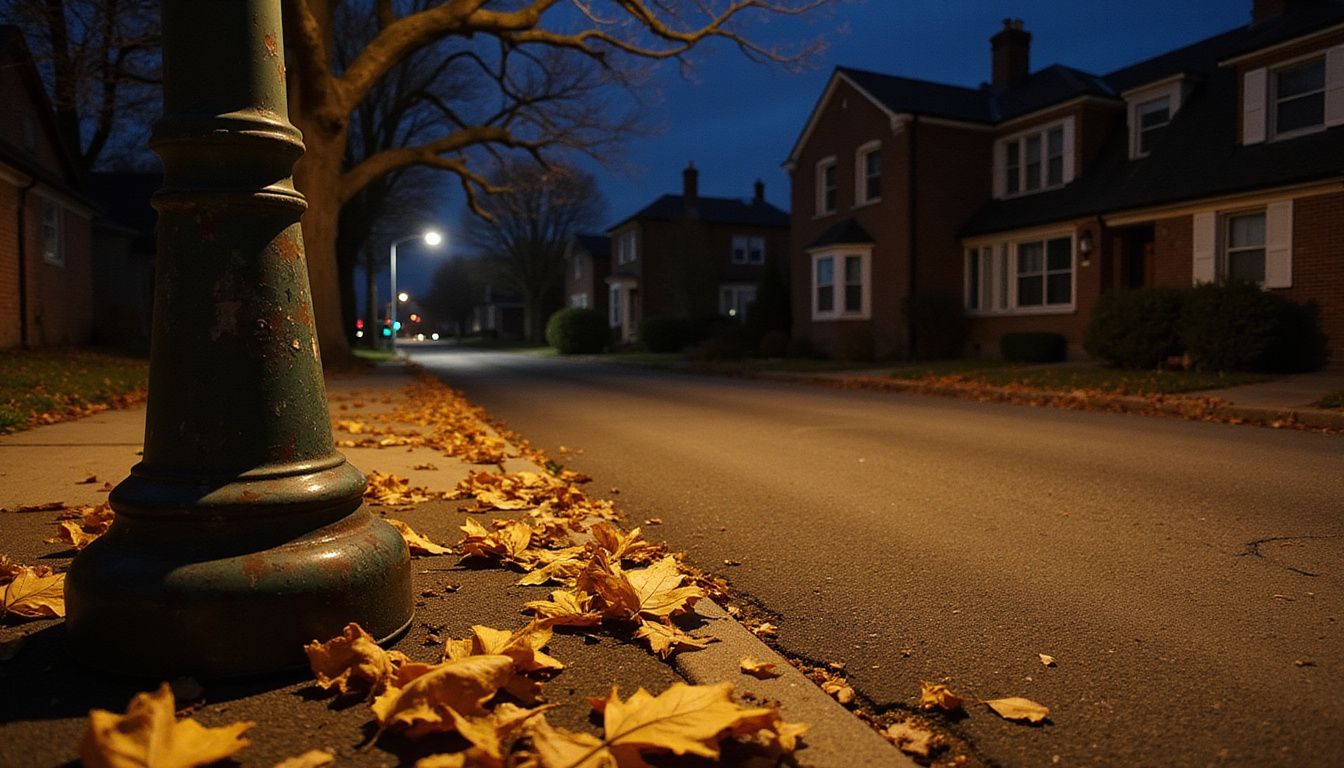
A neighborhood can feel completely different at night than it does in listing photos.
During the day, an area may look convenient, central, and full of activity. After dark, the same location may feel isolated, noisy, poorly lit, difficult to navigate, or uncomfortable for the type of trip you are taking.
That is why travelers should check nighttime safety before booking a hotel or vacation rental, especially when arriving late, traveling solo, walking from transit, or staying in an unfamiliar city.
This guide explains how to evaluate whether the area around a hotel, Airbnb, Vrbo, Booking.com stay, or vacation rental is likely to feel safe at night.
Start with the actual address area
Do not rely only on the neighborhood name. Neighborhoods can vary from block to block, and listing maps may not always show the exact location until after booking.
Before booking, check:
The nearest major streets
Distance to transit
Walking route from transit to the property
Nearby businesses open at night
Lighting on surrounding streets
Proximity to bars, clubs, highways, stations, or isolated areas
Whether the location is residential, commercial, tourist-heavy, or remote
A property can be in a “good neighborhood” but still be on a street that does not fit your comfort level at night.
Use maps like a late-night traveler
Most travelers check maps for distance. You should also check them for feel.
Use map tools to review:
Street View or equivalent imagery
Main walking routes
Nearby parking areas
Alleys or isolated paths
Train stations or bus stops
Major roads
Lighting clues where visible
Nearby late-night businesses
Ask yourself: would you feel comfortable arriving here after dark with luggage?
If the answer is uncertain, keep checking.
Look at what is nearby
Nearby businesses can change how an area feels at night.
Positive signs may include:
Restaurants open in the evening
Hotels nearby
Well-used transit stops
Grocery stores or pharmacies
Main streets with foot traffic
Clearly marked entrances
Potential caution signs may include:
Isolated industrial blocks
Very dark residential streets
Nightlife-heavy streets if you want quiet
Large parking lots or vacant areas
Complex entrances behind buildings
Long walks from transit
The goal is not to judge an area unfairly. The goal is to understand whether it matches your travel comfort level.
Read reviews for safety-related language
Guests may not always say “unsafe.” They may use softer language.
Watch for phrases like:
“Area felt a little sketchy”
“Would not walk alone late”
“Fine during the day”
“Street was noisy at night”
“Entrance was hard to find”
“Lots of activity outside”
“Not ideal for solo travelers”
“Use a rideshare at night”
“Location was convenient but…”
These phrases do not always mean the stay is dangerous. But they are important context, especially for solo travelers, families, and late-night arrivals.
Check the route, not just the distance
A listing may be “10 minutes from the station,” but the route matters.
Ask:
Is the walk direct?
Is it on main streets?
Are there sidewalks?
Is the route uphill or through isolated areas?
Would it feel comfortable after midnight?
Would you take the same route with luggage?
Are rideshares easy to access?
A short uncomfortable walk may be worse than a slightly longer but safer-feeling route.
Consider your arrival time
A location that works for a midday arrival may not work for a late-night arrival.
If your flight, train, or drive gets in late, check:
Is check-in clearly explained?
Is the entrance easy to find?
Is there front desk support?
Is self-check-in reliable?
Is the area active or empty late at night?
Can you get a rideshare directly to the entrance?
Will you need to walk far with bags?
Late arrival adds friction. Choose properties that make access simple.
Check for noise and safety together
Nighttime comfort is not only about crime or danger. Noise can also make an area feel stressful.
Look for nearby:
Bars
Clubs
Event venues
Train tracks
Highways
Busy intersections
Hospitals or emergency routes
Construction zones
If reviews mention sirens, traffic, music, shouting, or thin windows, the area may not be ideal for light sleepers.
Use local safety tools carefully
Crime maps, neighborhood apps, local forums, and city data can add context. But they should not be used alone.
These tools can be incomplete, outdated, overly broad, or difficult to interpret. A citywide crime statistic may not tell you how one specific street feels. A few dramatic posts in a forum may not represent the whole area.
Use local tools as one signal among several:
Maps
Recent reviews
Street layout
Transit route
Time of arrival
Nearby activity
Personal comfort level
Safety checks for solo travelers
Solo travelers should be especially careful about nighttime access.
Before booking, check:
Is there a 24-hour front desk or reliable self-check-in?
Is the entrance visible from the street?
Are there reviews from solo travelers?
Is the walk from transit simple?
Are rideshares easy to use?
Does the location feel active but not chaotic?
Are there comments about the area at night?
A stay can be perfectly fine for a group and still not be ideal for a solo traveler arriving late.
Safety checks for families
Families should check practical comfort as well as safety.
Ask:
Can you unload luggage safely?
Is parking close and clear?
Is the entrance easy with children?
Are nearby streets busy or difficult to cross?
Is the area too noisy for sleep?
Are restaurants or groceries nearby?
Would the walk back after dinner feel manageable?
Convenience matters more when traveling with tired children.
Red flags to take seriously
Be cautious when several of these appear together:
Reviews mention discomfort at night
Entrance is hard to find
Long walk from transit
Sparse street activity nearby
Nightlife noise nearby
Poor lighting visible on maps
No clear check-in support
Location description is vague
Guests recommend rideshares after dark
Recent reviews mention area concerns
One signal may not matter. Several signals together deserve attention.
How BookYolo checks location and safety signals
BookYolo helps travelers inspect stay-quality signals before booking. For location and nighttime comfort, it can help surface patterns from listing and guest-feedback information, such as:
Vague location claims
Repeated area concerns
Noise-related comments
Check-in and access friction
Safety-related guest language
Mismatch between “great location” claims and actual experience signals
BookYolo is not a guarantee of safety. It is a pre-booking inspection layer that helps you notice signals you might otherwise miss.
Final takeaway
Do not wait until arrival to discover how an area feels at night. Check the route, nearby activity, reviews, maps, access instructions, and practical arrival details before booking.
A good stay is not only about the room. It is also about how comfortable you feel getting there, sleeping there, and returning there after dark.
Back
