
How To's
Written by
BookYolo Team




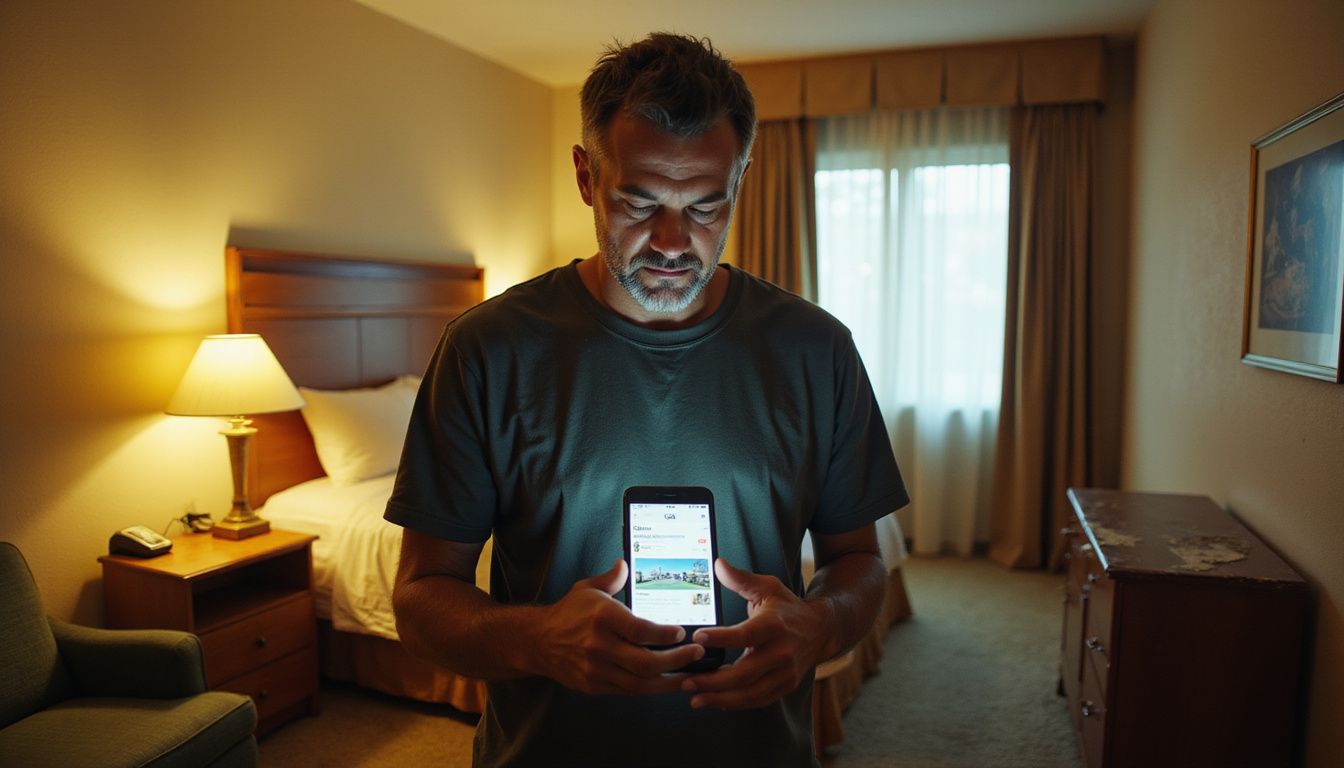
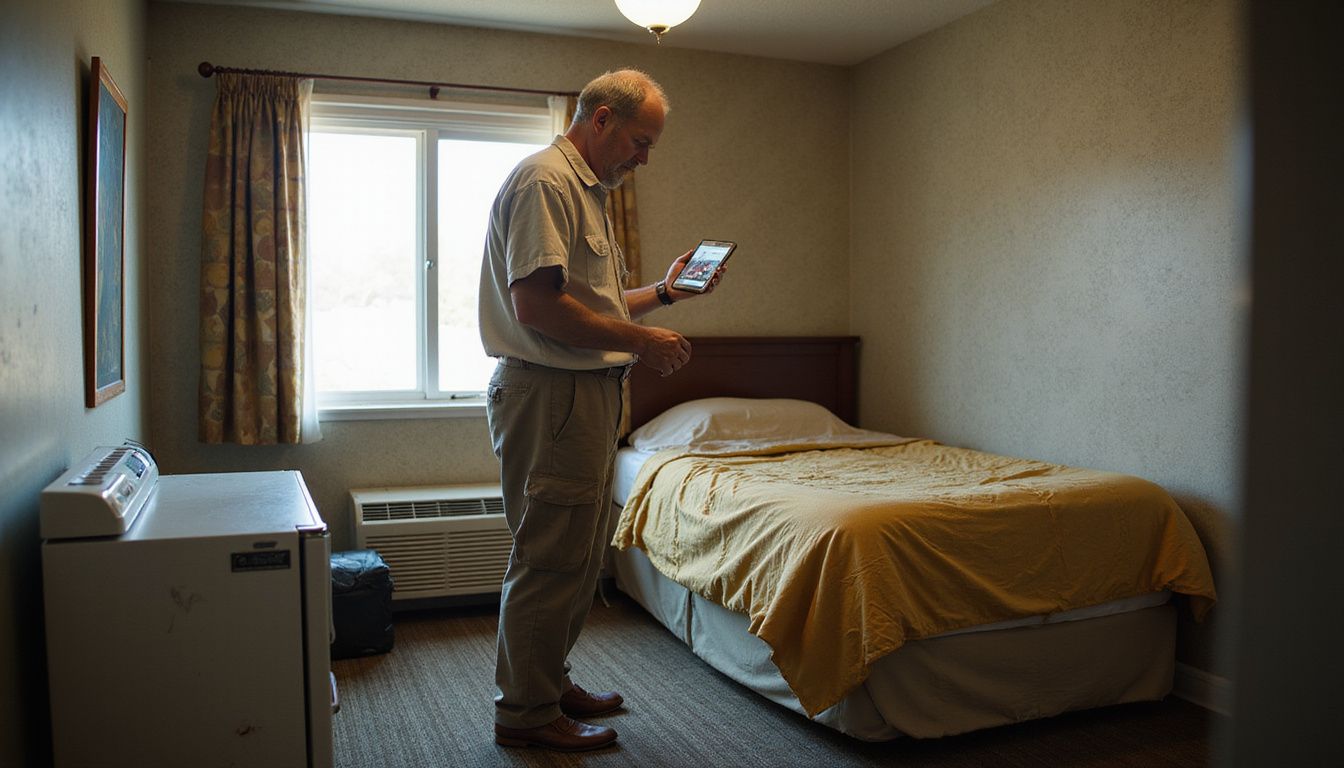
The expectation gap is the space between what a stay looks like online and what it feels like after you arrive.
It happens when a hotel, Airbnb, or vacation rental creates one impression on the booking page, but the real experience is different. The photos look brighter than the room. The description sounds more central than the location feels. The amenities seem more complete than they are. The reviews look positive, but the details reveal repeated complaints.
This does not always mean the property is terrible. Sometimes the stay is fine, but not what the traveler imagined. That mismatch is what creates disappointment.
The goal is not to find a perfect stay. The goal is to understand the trade-offs before you book, so the property you choose matches your real expectations.
What causes the expectation gap?
The expectation gap usually starts before the traveler arrives. It begins with the way a listing is presented and interpreted.
A property may create unrealistic expectations through:
polished photos
vague descriptions
unclear room categories
missing fee details
outdated amenity lists
inflated ratings
generic positive reviews
unclear location claims
missing accessibility details
limited recent feedback
The risk is highest when travelers rely on one strong signal, such as a beautiful photo, a high rating, or a low price, without checking whether the rest of the listing supports that impression.
Photos create the first expectation
Photos are often the strongest part of a listing. They shape how travelers imagine the stay before they read the details.
But photos are not always representative. They may show:
the best room category
the brightest angle
a renovated room instead of a standard one
staged decor
common areas instead of guest rooms
wide-angle shots that make spaces look larger
views that are not available from every room
old photos from before wear and tear
Photos are useful, but they should not be treated as proof. If a listing has limited room photos, no bathroom photos, no exterior context, or images that feel overly polished, read the reviews more carefully.
A strong listing should show the space clearly enough that you understand what you are actually booking.
Descriptions can sound better than reality
Listing descriptions are written to make a property attractive. Words like “cozy,” “charming,” “central,” “peaceful,” “lively,” “boutique,” “luxury,” or “steps away” can mean different things depending on the traveler.
For example:
“Cozy” may mean small.
“Lively” may mean noisy.
“Central” may mean crowded or expensive.
“Charming” may mean old.
“Authentic” may mean basic.
“Steps away” may still be farther than expected.
“Partial view” may barely be a view.
The problem is not that these words are always misleading. The problem is that they are subjective. Before booking, look for specific details instead of emotional language.
Better listing details include:
room size
bed type
floor level
elevator access
distance to transit
exact fee information
whether parking is included
whether air conditioning is available
whether amenities are private or shared
whether photos match the exact room category
Specific details reduce the expectation gap. Vague language increases it.
Ratings can hide the real trade-offs
A high rating can make travelers feel safe, but ratings do not always show whether a stay fits your needs.
A property can have a strong rating and still have trade-offs such as:
noisy surroundings
small rooms
strict rules
weak service
difficult check-in
inconsistent cleaning
uncomfortable beds
outdated bathrooms
hidden fees
misleading location claims
This happens because many guests rate generously, especially if the stay was “good enough.” Others may leave a positive overall rating while quietly mentioning issues in the written review.
That is why the written details matter more than the number alone.
Reviews reveal the expectation gap if you know what to look for
The expectation gap often appears in reviews through soft language.
Watch for phrases such as:
“smaller than expected”
“good for one night”
“basic but fine”
“not as pictured”
“a little noisy”
“could have been cleaner”
“fine for the price”
“not ideal for light sleepers”
“location was okay”
“host eventually responded”
“room could use updating”
“would be better if…”
These comments may not sound dramatic, but they tell you where the stay may fall short.
One comment may not matter. Repeated comments do. If several guests mention the same issue, treat it as part of the real stay experience.
Amenities need to be checked carefully
Amenities are a common source of disappointment because travelers often assume more than the listing actually promises.
Before booking, check whether important amenities are:
included or paid
private or shared
seasonal or year-round
available in every room or only some rooms
working reliably
located on-site or nearby
subject to restrictions
mentioned positively in recent reviews
This matters for amenities like:
Wi-Fi
air conditioning
heating
parking
pool
gym
breakfast
kitchen
laundry
elevator
workspace
shuttle service
luggage storage
If an amenity matters to your trip, do not rely only on the icon in the listing. Confirm it in the description, reviews, and final booking details.
Location expectations are easy to get wrong
Location is one of the biggest causes of expectation gaps. A listing can sound convenient while still being a poor fit for your actual plans.
Before booking, check:
travel time to your main activities
distance to public transit
airport transfer time and cost
walking routes
parking situation
neighborhood noise
nearby restaurants or shops
safety perception in recent reviews
whether the area works at night
whether hills, stairs, or luggage access matter
Do not rely only on words like “near,” “central,” or “walking distance.” Open the map and check the exact route.
A stay can be highly rated and still be inconvenient for your trip.
Fees can create a value expectation gap
A property may look like good value until the final price appears.
Common extra costs include:
resort fees
destination fees
cleaning fees
service fees
parking fees
extra guest fees
breakfast charges
local taxes
late check-in fees
security deposits
The issue is not just that fees exist. The issue is whether the property still feels worth the total price.
A stay that looks affordable at first may feel overpriced once all costs are included. Always compare the final checkout price, not the initial nightly rate.
Recent reviews matter more than old reviews
A listing can change over time. Management, cleaning standards, maintenance, staffing, construction nearby, noise levels, and host responsiveness can all shift.
Recent reviews can reveal whether a property is:
improving
declining
stable
inconsistent
recently renovated
under-maintained
affected by new noise or construction
experiencing service problems
Do not rely only on old positive reviews. A property that was excellent two years ago may not be the same today.
How to close the expectation gap before booking
Use this simple process before reserving a hotel, Airbnb, or vacation rental.
1. Start with the reason for your trip
A good stay depends on your needs.
Ask yourself:
Do I need quiet sleep?
Am I traveling with children?
Will I work from the room?
Do I need parking?
Do I need easy transit?
Am I arriving late?
Is flexibility important?
Is location more important than space?
Is price more important than comfort?
The same property can be a great fit for one traveler and a poor fit for another.
2. Check the listing promise
Look at what the property is trying to make you believe. Is it selling luxury, convenience, charm, value, space, peace, or location?
Then check whether the details support that promise.
3. Read reviews for patterns
Look beyond the average rating. Search for repeated comments about cleanliness, noise, comfort, check-in, service, fees, location, and accuracy.
4. Compare photos with written feedback
If photos look excellent but reviews mention dated rooms, small spaces, or poor cleanliness, the expectation gap may be significant.
5. Verify the total price
Check the final cost after fees and taxes. Decide whether the stay still looks fair at the real price.
6. Confirm anything that matters
If an amenity, bed setup, parking option, elevator, view, or check-in detail matters, confirm it before booking.
Use BookYolo to check whether a stay matches its promise
The expectation gap is hard to spot because most listings are designed to look appealing. BookYolo helps travelers slow down and inspect whether the property appears to deliver what the listing suggests.
You can use BookYolo as a Hotel Review Checker, Airbnb Review Checker, Vacation Rental Review Checker, or Airbnb Listing Analyzer to look for patterns that may reveal mismatch: repeated complaints, vague praise, misleading descriptions, hidden fees, unclear amenities, weak communication, and signs that the stay may be oversold.
This helps you check a hotel before booking or check an Airbnb before booking with a clearer view of the real trade-offs. Instead of asking only whether the listing looks good, BookYolo helps you ask whether it looks accurate.
Expectation gap checklist
Before booking, ask:
Do the photos show the exact room or property I am booking?
Are the most important amenities clearly confirmed?
Do recent reviews match the listing description?
Are complaints isolated or repeated?
Is the location actually convenient for my plans?
Is the final price still fair after all fees?
Are cancellation rules clear?
Does the listing use vague words instead of specific details?
Do guests mention noise, cleanliness, comfort, or check-in issues?
Would I still book this stay if the rating were slightly lower?
If several answers are unclear, slow down before reserving.
Final takeaway
The expectation gap is one of the main reasons travelers regret a booking. It usually happens when the listing creates confidence faster than the traveler checks the details.
A better booking decision comes from comparing the promise with the evidence: photos, descriptions, amenities, reviews, fees, location, and recent guest experience.
Back
