
How To's
Written by
BookYolo Team




Traveling like a local is not about pretending you live somewhere. It is about making better decisions than the average tourist: choosing the right neighborhood, avoiding overpriced areas, understanding local routines, and spotting the traps that are designed for visitors who are moving too fast.
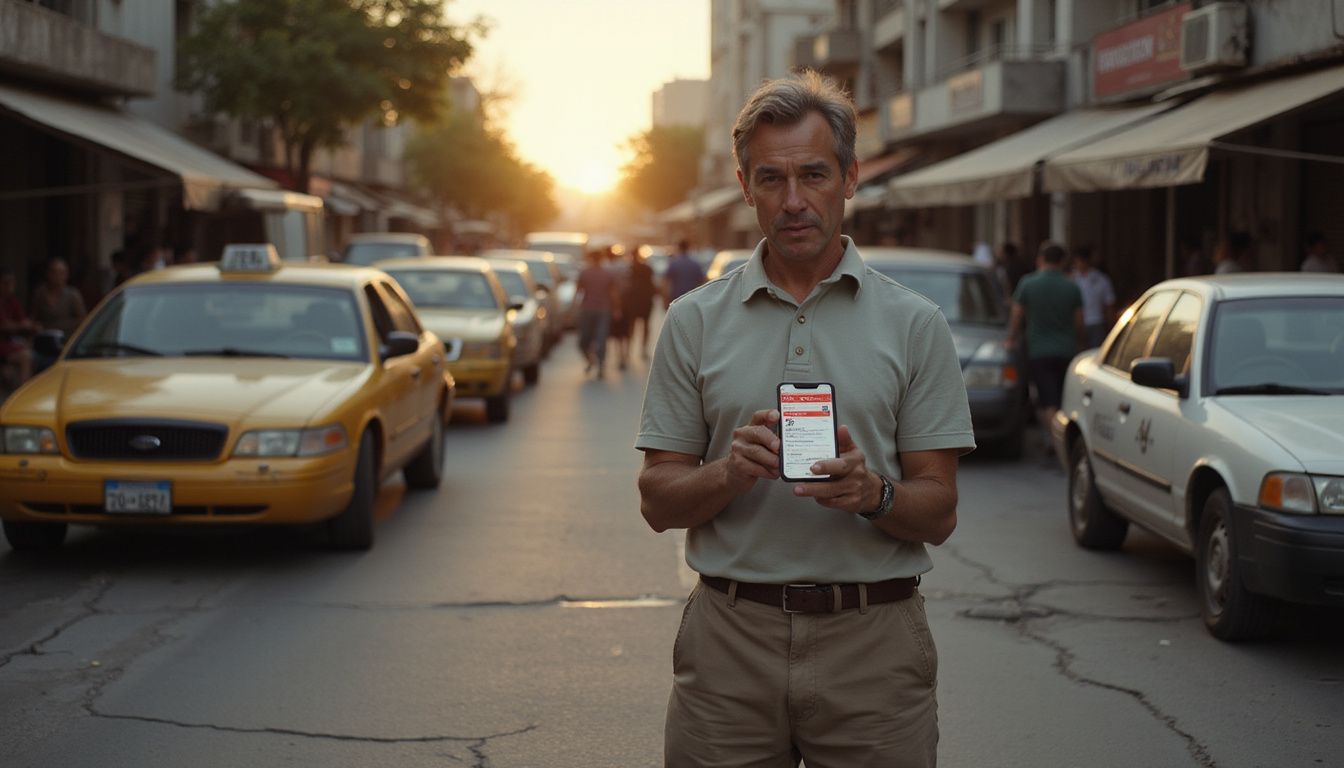
In 2026, tourist traps are not limited to bad restaurants near landmarks. Travelers also need to watch for fake taxi drivers, suspicious QR codes, misleading accommodation listings, inflated “local experience” tours, unsafe payment links, and stays that look authentic online but feel disappointing after arrival.
This guide explains how to travel with more local awareness while still protecting your time, money, and safety. The goal is simple: blend in where it helps, verify what matters, and avoid booking decisions that create stress later.
Key Takeaways
\Use a VPN, like NordVPN or Surfshark, for secure browsing on public Wi-Fi. Avoid scanning random QR codes in crowded places; these can lead to data theft or payment fraud.
Watch out for common scams in 2026, such as fake taxi drivers near airports, pickpocketing distractions by “helpful strangers,” and locals offering shady currency exchanges on the street.
Eat at small local restaurants and shop outside tourist areas to experience authentic culture and save money. Dress modestly and carry minimal valuables to blend in with locals.
Never use public Wi-Fi for sensitive tasks like online banking; instead, rely on mobile data. Protect your belongings with crossbody bags or money belts, and avoid leaving valuables unattended—even indoors.
Key Tips for Booking and Planning Ahead
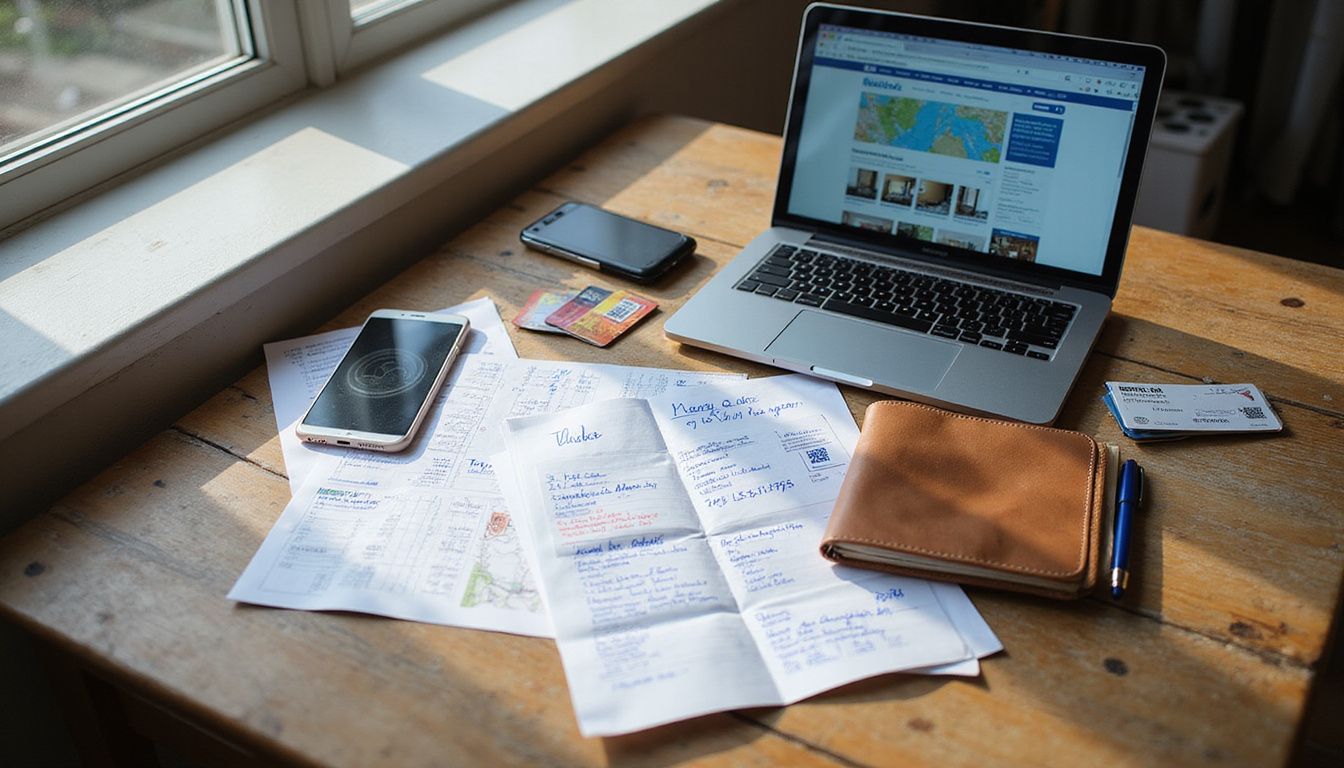
Booking your stay and travel early keeps stress at bay. Use trusted sites for deals on rentals, flights, and experiences to avoid surprises later.
Reserve accommodations and transportation in advance
Secure your vacation rental or hostel room before landing in a new city. The best spots and budget-friendly options fill up fast, especially during peak seasons in popular destinations like Bangkok or Argentina.
BookYolo's AI-driven service breaks down the fine print and spots red flags in accommodation listings, so fake profiles and “too good to be true” deals do not trip you up.
Locking in flights, car rentals, or train tickets early helps avoid fare hikes and last-minute scrambles. Scammers often prey on desperate travelers looking for rides at busy airports or major tourist attractions; booking ahead keeps you off their radar.
Use trusted travel agencies, official apps, or Airbnb instead of random Facebook group posts for safer choices.
Use BookYolo before booking a “local” stay
A stay can look authentic, charming, and local while still hiding practical problems. A boutique hotel may be noisy, a vacation rental may be far from transit, an Airbnb may have confusing access, and a neighborhood stay may feel less convenient than the listing suggests.
BookYolo helps travelers check the accommodation side of local travel before booking. You can use it as a Hotel Review Checker, Airbnb Review Checker, Vacation Rental Review Checker, or Airbnb Listing Analyzer to inspect whether a stay appears reliable, accurately described, and worth the final price.
This is especially useful when a listing markets itself with words like “hidden gem,” “authentic,” “local neighborhood,” “charming,” or “off the beaten path.” Instead of relying only on the vibe, BookYolo helps you check whether the stay actually fits your trip.
Local-looking does not always mean better
Many travelers now avoid anything that feels “touristy,” but that can create a different mistake: assuming that local-looking options are automatically more authentic, cheaper, or safer.
A small guesthouse, apartment rental, neighborhood restaurant, local tour, or informal driver may be excellent. But it can also come with less transparency, unclear pricing, weaker support, vague reviews, or fewer protections if something goes wrong.
Before choosing a “local” option, check:
whether pricing is clear upfront
whether recent reviews are specific
whether the location works at night, not just during the day
whether payment happens through a secure channel
whether cancellation terms are written clearly
whether photos and descriptions match the actual experience
whether the offer sounds unusually cheap or urgent
whether the provider has a reliable online presence
The best local travel experiences usually feel grounded and transparent, not rushed, secretive, or too good to be true.
Smart Use of Technology While Traveling
Use apps to find local deals and save money. A good VPN keeps your online activities private, especially on public Wi-Fi. Avoid sharing personal info on unsecured networks. Always be wary of suspicious QR codes that pop up in crowded areas—they can lead you into trouble.
Use a VPN for secure browsing and local deals
Hackers often stalk public Wi-Fi hotspots, looking for easy targets. With a VPN service like NordVPN or Surfshark, you scramble your private data and block snoops. This simple tech move shields your passport details and payment info while booking on travel forums or rental listings.
Many locals get better prices through online deals that are only available to users in their own country.
A virtual private network also makes it easier to tap into local discounts for a meal, Uber ride, or even public transport without getting ripped off by tourist pricing tricks. Connect it before logging in at airports, hotels, or cafes so bad actors do not steal your credit card number with fake QR codes either.
Stay sharp about scams and next up, learn how thieves target tourists with classic tricks like fake rideshares and currency exchanges.
Stay cautious of QR code scams
Scammers exploit QR codes to access your sensitive information. They often place fake codes in crowded tourist areas, hoping you’ll scan them without thinking twice. These scams can lead to fraudulent payments or data theft.
Always check that a QR code comes from a reliable source before scanning it.
Use a VPN for secure browsing while you're traveling solo. This extra layer of security can help protect against these threats, offering peace of mind as you explore local culture.
Stay alert and trust your instincts; if something seems too good, it probably is.
Avoiding Common Tourist Scams
When you explore new places, stay aware of potential tricks. Watch for fake taxi drivers and ride-hailing scams; they can drain your wallet quickly. Keep in mind, a friendly face might not always have honest intentions! Stay vigilant to distractions that could lead to pickpocketing.
Keep your cash secure and don't fall for locals offering currency exchange on the sidewalk—it's often a setup.
Beware of fake taxi and rideshare drivers
Fake taxi and rideshare drivers pose a serious threat to travelers in 2026. Scammers often lurk near airports and popular tourist spots. They might look legit, but they trick you into overpaying or taking you somewhere else.
Always ask hotel staff or locals for help when booking a ride. This way, you'll avoid the fake ones who claim your destination is closed just to divert you.
Stay alert for signs of trouble. Look for official markings on taxis and verify driver details through reliable apps or services like Uber or Lyft. These precautions can help keep your travel experience safe from scams that make your trip more stressful than enjoyable.
Look out for pickpocketing distractions
Fake taxi drivers can catch you off guard, but pickpocketing distractions are even sneakier. Thieves often use "helpful strangers" to create a diversion. They might spill something on you or ask for directions while their accomplice nabs your valuables.
Stay alert in crowded places and keep personal items close.
Carry only what you need, and distribute cash across different spots. Secure important documents digitally to avoid losing everything at once. Engaging with locals can help steer clear of popular tourist traps, reducing the risk of being targeted by these crafty thieves.
Embrace local customs but stay sharp; it’s better to blend in than stand out as a tourist.
Avoid "helpful local" currency exchange offers
Scammers often pose as "helpful locals" to lure tourists into bad currency exchange deals. These setups can lead you to lose money quickly. They might distract you while shortchanging your cash or presenting fake rates that sound too good to be true.
Misleading currency exchange offers rank among the top travel scams in 2026, so stay sharp and avoid them.
Always choose official currency exchange services like banks or well-known kiosks instead. Look for reliable reviews online if you're unsure about a place. Trust your instincts; if someone seems overly friendly and eager to help with exchanges, walk away and safeguard your finances!
Best Ways to Avoid Tourist Trap Areas
Research neighborhoods before you go. Some areas attract tourists but can lead to scams and high prices. Sticking to local spots helps you bypass these traps. Locals often know the best places to eat and shop, so ask them for advice.
Finding a good restaurant in a non-tourist area can make your trip more authentic and enjoyable.
Stay alert around popular attractions. Many "helpful strangers" appear when crowds gather, trying to distract you while their friends pickpocket nearby. Engaging with hotel staff provides trustworthy taxi services too.
Always use reputable platforms for booking transportation, as this keeps you safe from scammers masquerading as cabbies offering rides at unrealistic rates or claiming that the meter is broken.
Keep your belongings secure; this simple step prevents theft and makes your experience smoother overall.
How to Blend In Like a Local
To blend in like a local, eat at neighborhood restaurants and shop where the locals go instead of tourist traps. If you wear everyday clothing and leave flashy items at home, you'll feel more comfortable and less obvious.
Try to pick up easy phrases in the local language; it can earn you smiles and help open doors. Want to be one of them? Keep reading for more tips!
Eat and shop in non-tourist areas
Explore neighborhoods away from the tourist crowds. Eating and shopping in non-tourist areas can transform your travel experience. You will find authentic flavors and unique items that truly represent the local culture.
Locals often suggest hidden gems that bring delight to your taste buds and wallet.
Skip overpriced restaurants near popular attractions. Instead, try small cafes or family-run shops where prices are fairer, and food tastes homemade. Avoid deals promoted by friendly strangers on the street; they may lead you into a tourist trap instead of genuine experiences.
Embrace local cuisine at market stalls or street vendors, which often offer delicious options without breaking the bank.
Dress modestly and carry minimal valuables
Eating and shopping in non-tourist areas helps you blend in. Dressing modestly plays a big part, too. Wear clothes that fit the local style; this will help you avoid drawing attention.
Carry minimal valuables to lower your risk of theft and scams. Keep your phone out of sight while walking around.
Distribute cash across different secure spots on your person. This way, if someone does try to pickpocket you, you'll have backups tucked away safely. Stay focused on enjoying your trip without flaunting expensive items or accessories that shout "tourist.
Security Measures for Travelers
Travelers should use secure bags to keep their belongings safe and avoid public Wi-Fi, especially for sensitive tasks. Consider using a crossbody bag to stay hands-free while protecting your valuables.
Try not to leave anything important in hotel safes; they aren’t always foolproof. Stay alert and trust your instincts when something feels off. For more tips on keeping safe abroad, dive deeper into our travel guide!
Use secure bags to protect belongings
Secure bags protect your belongings from theft. Pickpockets often use clever tricks to distract you while they steal. Using a crossbody bag or a money belt keeps your valuables close and safe.
Spread cash across multiple secure bags for extra security. Having digital copies of important documents adds another layer of protection.
Scams involving "helpful strangers" can catch you off guard, making strong protective measures essential. Stay alert and informed about your surroundings to maximize the benefits of secure bags.
Avoid standing out as a tourist; blending in with locals helps too. A well-chosen backpack or fanny pack can make all the difference on your adventures abroad.
Avoid public Wi-Fi for sensitive transactions
Public Wi-Fi hotspots pose serious risks, especially for sensitive transactions. Hackers often target these networks to steal personal information. A scam called "juice jacking" is particularly sneaky; it can happen at public charging stations or through unsecured Wi-Fi connections.
Always use a Virtual Private Network (VPN) when connecting online. This helps shield your data and keeps your browsing secure.
Travelers should stay alert against scams related to public Wi-Fi usage. Protecting yourself means avoiding risky networks for actions like online banking or accessing vital accounts.
Look for safer options instead, such as using mobile data for anything important. Now that you are aware of the dangers, let’s explore ways to dodge common tourist scams in new destinations.
Before booking a hotel, Airbnb, or vacation rental that promises a local experience, run it through BookYolo to check whether the stay looks authentic, reliable, and accurately described.
Conclusion
Traveling like a local in 2026 is all about being aware and prepared. Use technology wisely to dodge scams, and never rush your planning. Seek out genuine experiences in lesser-known places; this will enhance your trip.
Keep your belongings safe and approach interactions with locals confidently. With these tips, you'll avoid traps and truly enjoy the adventure ahead!
FAQs
1. How can I blend in with locals while traveling solo in 2026?
Dress like the people who live there. Listen more than you talk at first. Learn a few words of the language, even if it’s just “hello” or “thank you.” Read the local paper for tips and tricks on current events. Avoid acting lost or standing out in a crowd.
2. What are common scams to avoid when traveling alone?
Watch for anyone trying to sell timeshare deals that sound too good to be true. Some scams involve fake travel agencies offering cheap airfare, but they disappear after payment. If someone claims you must pay a fine right away, check with real authorities before handing over cash.
3. Should I get travel insurance before my trip?
Yes, always buy travel insurance before you leave your home country. It covers sudden illness, stolen items, or trip cancellations that could cost big money without coverage.
4. How do I pick safe guides to help me explore new places?
Look up reviews from trusted travel blogs or ask your hotel staff for advice on guides and tours. Never trust random people who approach you near tourist spots; real guides have permits and clear prices.
5. Are there ways to save money by haggling without getting scammed?
Haggling is normal in many markets around the world; start low and stay friendly but firm about your budget limits so sellers know where you stand. If anyone pressures you hard or changes prices fast, walk away since this move often stops a scam cold as ice cubes at breakfast time!
Back
