
Destinations Guides
Written by
BookYolo Team




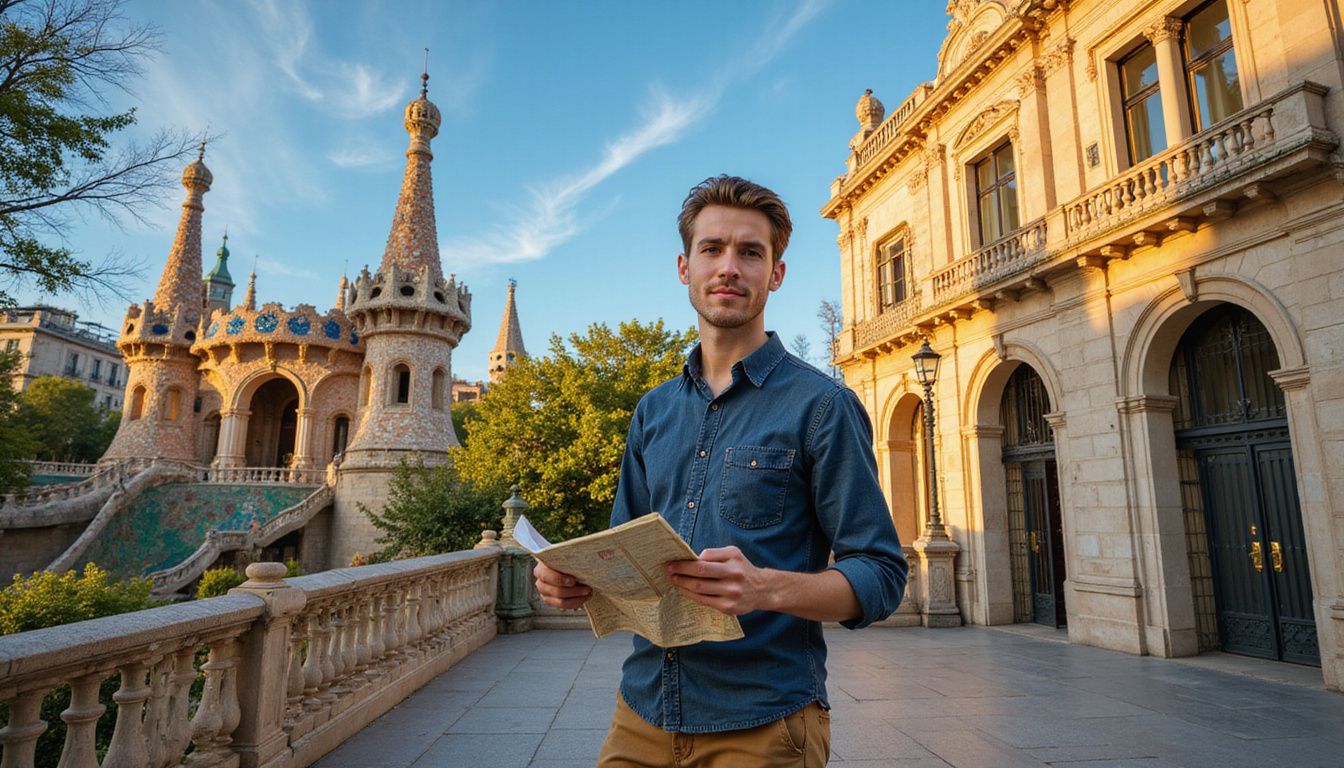
Madrid and Barcelona are both classic Spain choices, but they deliver very different trips. Barcelona gives you beaches, Gaudí architecture, and a Mediterranean feel, while Madrid offers museums, food, nightlife, and a more traditional Spanish city experience.
This guide compares both cities by cost, attractions, transport, crowds, and accommodation style. It is also worth checking the stay itself before you book, because a great destination can still lead to a bad trip if the hotel or rental is oversold. BookYolo helps travelers inspect listings for review patterns, red flags, and signs that the stay may not match the promise.
Key Takeaways
Barcelona offers Mediterranean beaches and Gaudí's architecture but requires three to four days, while Madrid delivers authentic Spanish culture in just two days.
Madrid provides better value for money with cheaper accommodation, dining, and transportation costs compared to Barcelona's tourist-inflated prices.
Barcelona attracts beach lovers and art enthusiasts with coastal charm, while Madrid appeals to history buffs seeking traditional Spanish culture and world-class museums.
Madrid serves as Spain's transportation hub with better domestic connections and direct flights, making it more accessible for exploring southern Spain regions.
Barcelona experiences peak summer tourism with crowded attractions, while Madrid maintains consistent year-round visitor flow with less touristy authentic local atmosphere.
Why Choose Barcelona?
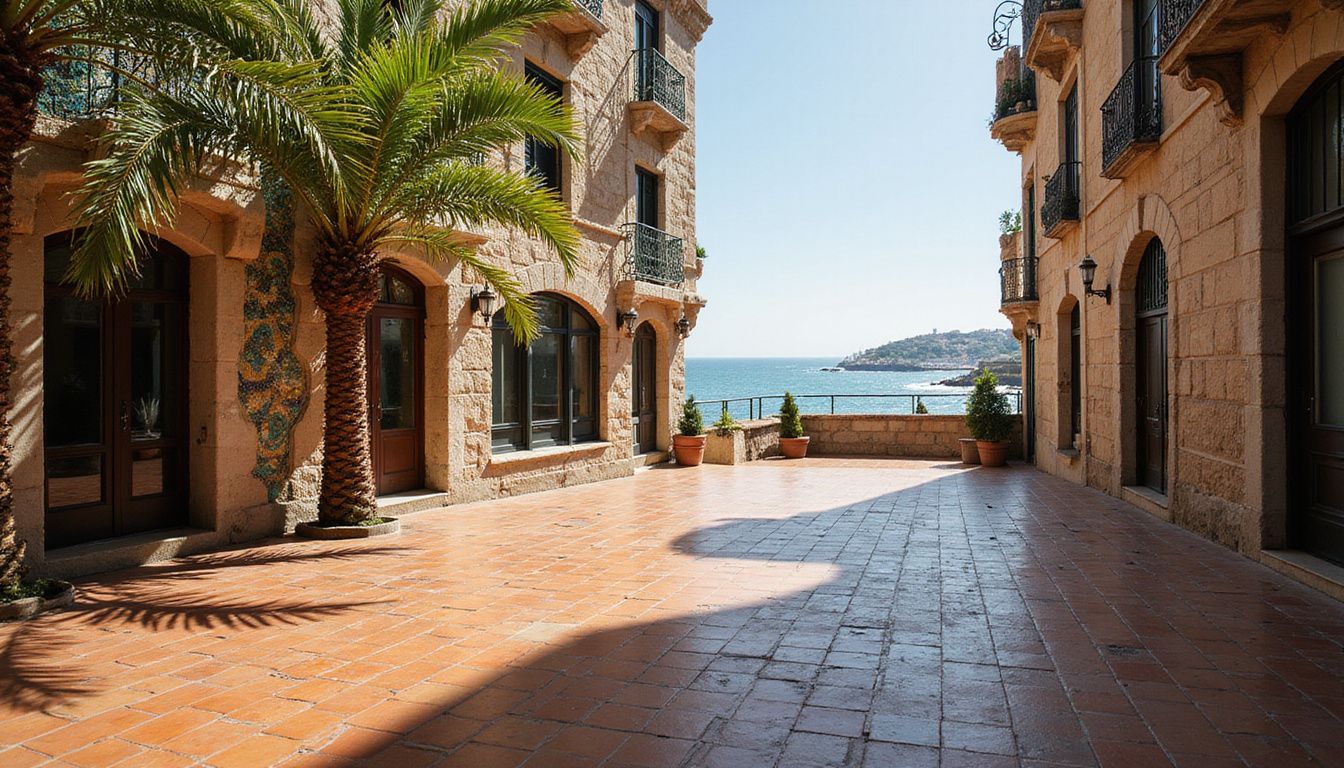
Barcelona pulls you in with its Mediterranean magic and artistic soul that feels alive on every corner. This coastal gem serves up everything from Gaudí's wild architectural dreams to sun-soaked beaches where you can actually relax after exploring the Gothic Quarter's winding streets.
Mediterranean charm and beaches
The Mediterranean coastline gives this Spanish city its irresistible appeal. Barceloneta Beach stretches along the waterfront, offering golden sand and crystal-clear waters just minutes from the city center.
Beach lovers flock here year-round to soak up the sun and enjoy seaside dining at chiringuitos. The coastal location creates a relaxed atmosphere that sets this destination apart from inland cities.
Barcelona's beaches turn any city break into a perfect blend of culture and relaxation.
Slightly better weather enhances the overall Mediterranean experience throughout most seasons. Day trips to coastal areas like Sitges expand your beach options beyond the main city limits.
The scenic coastal views complement cultural landmarks, creating photo opportunities at every turn. This combination of urban sophistication and seaside charm attracts millions of tourists who want both city excitement and beach relaxation in one trip.
Iconic landmarks: La Sagrada Família, Park Güell, and Gothic Quarter
Barcelona's most famous landmarks capture the imagination of millions of visitors each year. These architectural marvels and historic neighborhoods showcase the city's rich cultural heritage and artistic brilliance.
La Sagrada Familia stands as Antoni Gaudi's masterpiece, featuring surrealist architecture that defies conventional design. This iconic landmark draws art lovers from around the globe with its towering spires and intricate facades.
Park Güell displays Gaudi's artistic style through colorful mosaics and whimsical structures scattered across hillside gardens. Visitors enjoy stunning panoramic views of Barcelona while exploring this modernist architecture wonderland.
Gothic Quarter transports you back centuries with narrow medieval streets and ancient stone buildings. This historic neighborhood houses hidden plazas, charming cafes, and centuries-old churches perfect for wandering.
Casa Batlló showcases Gaudi's genius through its dragon-like facade and flowing balconies along Passeig de Gràcia. The building's bone-inspired interior design creates an otherworldly experience for architecture enthusiasts.
Plaça Reial offers a peaceful escape with palm trees and elegant arcades surrounding outdoor restaurants. Street performers and local artists frequently gather here, creating a lively atmosphere day and night.
Basilica de Santa Maria del Mar represents pure Catalan Gothic architecture with soaring stone columns and magnificent rose windows. This 14th-century church provides a spiritual contrast to Gaudi's more experimental designs.
Las Ramblas connects the Gothic Quarter to the Mediterranean coast through a bustling pedestrian boulevard. Local vendors, flower stalls, and street artists line this famous walkway that pulses with energy.
Barcelona's vibrant cultural scene extends far beyond these landmarks into its thriving arts districts and creative neighborhoods.
Vibrant cultural and artistic vibe
These stunning landmarks set the stage for Barcelona's bohemian and artistic atmosphere that pulses through every neighborhood. The city attracts first-time visitors and art lovers who come seeking authentic cultural experiences beyond the typical tourist spots.
Barcelona's artistic heritage flows from the Gothic Quarter into modern galleries and street art installations. Local artists display their work in El Born's narrow alleys, while the Picasso Museum houses masterpieces that shaped modern art.
The Mediterranean beauty enhances this vibrant culture, creating spaces where creativity thrives year-round. A variety of artistic activities and events fill the calendar, from flamenco performances to contemporary art exhibitions that showcase both local and international talent.
Renowned Catalan cuisine and seafood
Barcelona's food scene centers around fresh seafood and traditional Catalan dishes that reflect its Mediterranean lifestyle. La Boqueria market buzzes with vendors selling everything from grilled octopus to jamón ibérico, while local restaurants serve paella that actually originated in nearby Valencia.
The city's coastal location means you'll find seafood so fresh it was swimming that morning. Catalan cuisine blends Spanish traditions with French influences, creating dishes like suquet de peix (fish stew) and fideuà (seafood noodles).
Barcelona's culinary markets showcase a rich food culture that caters to beach lovers seeking diverse experiences beyond typical tourist fare.
The bohemian atmosphere enhances every meal, whether you're grabbing tapas in the Gothic Quarter or dining at a family-run restaurant in Gràcia. Barcelona's cosmopolitan vibe attracts chefs who experiment with traditional recipes while respecting Catalan heritage.
You'll taste the difference immediately, especially compared to Madrid's more meat-heavy cuisine. The city's vibrant culinary markets offer cooking classes where locals teach visitors to prepare authentic Catalan specialties using ingredients sourced directly from Mediterranean waters.
Best day trips: Montserrat and Girona
Barcelona serves as your gateway to two incredible day trips that showcase Catalonia's diverse beauty. These destinations offer mountain spirituality and medieval charm just a short journey from the city.
Montserrat monastery sits atop dramatic mountain peaks just 90 minutes from Barcelona by train. The mountain range features stunning rock formations and spiritual significance that draws visitors from across the globe.
Take the cable car or rack railway to reach the monastery perched high above the valleys. Both transportation options provide breathtaking views of the Catalan countryside during your ascent.
Visit the Black Madonna statue inside the basilica, one of Catalonia's most revered religious artifacts. Pilgrims travel from far and wide to see this sacred figure housed within the monastery walls.
Hike the mountain trails around Montserrat for panoramic views stretching to the Mediterranean Sea. Multiple walking paths cater to different fitness levels and time constraints.
Girona's medieval old town transports you back centuries with its perfectly preserved stone buildings and narrow cobblestone streets. The city's ancient walls and colorful riverside houses create picture-perfect scenes.
Walk along the ancient city walls that encircle Girona's historic center for spectacular views over the red-tiled rooftops. These fortifications date back to Roman times and offer excellent photo opportunities.
Explore the Jewish Quarter (El Call), one of Europe's best-preserved medieval Jewish neighborhoods. Winding alleyways and historic synagogues tell stories of centuries past.
Visit Girona Cathedral with its impressive Gothic nave, one of the widest in the world. The cathedral's dramatic steps gained fame as a filming location for popular television series.
Stroll along the Onyar River to admire the famous colorful houses that line the waterfront. These vibrant buildings create Girona's most iconic and photographed vista.
Both destinations offer easy train connections from Barcelona, making them perfect additions to your travel itinerary. Madrid also boasts exceptional day trip options that rival these Catalan gems.
Why Choose Madrid?
Madrid pulls you in with its royal palaces, world-famous art museums, and authentic Spanish culture that feels less touristy than other major European capitals.
Rich history and grand architecture
The Spanish capital boasts centuries of royal heritage that shaped its magnificent cityscape. Grand boulevards stretch across the metropolis, lined with neoclassical buildings that tell stories of empire and artistic triumph.
The Royal Palace stands as Europe's largest royal residence, housing over 3,000 rooms filled with priceless art and historical treasures. Classical architecture dominates every corner, from ornate government buildings to elegant residential districts that showcase Spain's golden age of construction.
Art lovers flock to the world-famous Prado Museum, home to masterpieces by Velázquez, Goya, and other Spanish masters. The Reina Sofia Museum displays Picasso's iconic "Guernica" alongside contemporary works that chronicle Spain's cultural evolution.
This working city maintains its authentic Spanish character while preserving architectural gems that rival any European capital. Day trips to nearby Toledo and Segovia reveal even more medieval splendor, making the region a treasure trove for history enthusiasts seeking genuine cultural experiences.
World-class museums: Prado, Reina Sofía, and Thyssen-Bornemisza
Madrid transforms into an art lover's paradise with three world-class museums that house some of Europe's most celebrated masterpieces. Art enthusiasts can explore centuries of artistic evolution within walking distance of each other.
Prado Museum showcases Europe's finest classical art collection - Home to works by Velázquez, Goya, and El Greco, this legendary institution displays over 1,300 paintings across its grand halls.
Reina Sofía Museum houses modern art treasures including Picasso's famous "Guernica" - This contemporary art hub features Spanish masters like Dalí and Miró alongside rotating exhibitions of 20th-century works.
Thyssen-Bornemisza Museum fills gaps between Prado and Reina Sofía collections - Visitors discover Renaissance paintings, Impressionist works, and contemporary pieces that complete Madrid's artistic triangle perfectly.
All three museums sit within close proximity in central Madrid - Art lovers can easily walk between venues or take short metro rides, making museum hopping incredibly convenient for travelers.
Combined museum passes offer significant savings for multi-venue visits - Smart travelers purchase the Paseo del Arte card to access all three institutions at discounted rates during their stay.
Each museum requires 2-3 hours minimum for proper exploration - Plan full days or split visits across multiple days to fully appreciate the extensive collections without feeling rushed.
Free admission hours attract large crowds but offer budget-friendly options - Arrive early during complimentary evening hours or pay regular admission for a more comfortable viewing experience.
Audio guides and expert tours enhance understanding of masterpieces - Professional commentary brings historical context and artistic techniques to life for visitors of all knowledge levels.
Authentic Spanish cuisine: Cocido madrileño and Mercado de San Miguel
Food lovers find their paradise in the Spanish capital. Cocido madrileño stands as the city's signature dish, a hearty stew that locals have perfected over centuries. This traditional meal combines chickpeas, vegetables, and various meats into one satisfying bowl.
Families gather around tables to share this comfort food, especially during cold winter months. The dish represents authentic Spanish cooking at its finest, far from tourist-friendly versions found elsewhere.
Mercado de San Miguel transforms eating into an adventure. This historic market buzzes with energy as vendors serve fresh tapas from glass-fronted stalls. Visitors sample jamón ibérico, manchego cheese, and grilled seafood while standing at communal tables.
The market showcases Spain's vibrant culinary culture in one convenient location. Budget-conscious travelers appreciate the cheaper dining options compared to Barcelona's pricier restaurant scene.
Local chefs prepare food right before your eyes, creating an authentic atmosphere that tourist traps simply cannot match.
Lively nightlife and local neighborhoods like Malasaña
Madrid transforms after dark into a city that never sleeps. Malasaña stands out as the crown jewel of the capital's nightlife scene. This trendy neighborhood pulses with energy from sunset to sunrise.
Young locals pack the streets, hopping between traditional taverns and cutting-edge clubs. The area reflects Madrid's alternative spirit through its vibrant cultural offerings.
Street art covers building walls throughout Malasaña, creating an outdoor gallery that changes constantly. Independent shops line the narrow streets, selling everything from vintage clothing to handmade crafts.
Bars stay open until the early morning hours, making this district perfect for night owls. The authentic atmosphere draws travelers who want to experience real Spanish nightlife, not tourist-focused venues.
Artists, students, and creative professionals call this neighborhood home, giving visitors a genuine taste of local life.
Best day trips: Toledo, Segovia, and Salamanca
After soaking up the electric energy of Malasaña's bars and clubs, you'll want to explore beyond the capital's borders. These three historic cities offer perfect escapes from Madrid's bustling streets.
Toledo sits just 70 kilometers south of Madrid and takes only 30 minutes by high-speed train. This ancient city showcases Spain's rich cultural heritage through its blend of Christian, Jewish, and Islamic architecture.
Segovia features the most impressive Roman aqueduct in Spain, stretching 813 meters across the old town. The fairy-tale Alcázar castle inspired Disney's Cinderella Castle and offers stunning views of the surrounding countryside.
Salamanca houses one of Europe's oldest universities, founded in 1218. The golden sandstone buildings glow beautifully at sunset, earning the city its nickname "La Dorada."
Toledo's narrow cobblestone streets lead to the magnificent Gothic cathedral and El Greco's former home. The city's sword-making tradition continues today in small workshops throughout the historic quarter.
Segovia's famous roast suckling pig, called cochinillo, draws food lovers from across Spain. Local restaurants serve this traditional dish in centuries-old establishments near the cathedral.
Salamanca's Plaza Mayor ranks among Europe's most beautiful squares. Students from the ancient university fill the cafes and bars, creating a lively atmosphere day and night.
All three destinations connect easily to Madrid by train or bus, making them perfect for day trips. Toledo and Segovia take under an hour to reach, while Salamanca requires about two and a half hours.
These excursions showcase different aspects of Spanish history and culture that you won't find in modern Madrid. Each city tells its own story through architecture, food, and local traditions.
Key Differences Between Barcelona and Madrid
These two Spanish powerhouses couldn't be more different if they tried. Barcelona brings Mediterranean vibes and modern flair, while Madrid serves up traditional Spanish culture with a royal twist.
Weather and seasonal tourism
Weather patterns play a crucial role in determining which Spanish city wins your travel heart.
Factor | Barcelona | Madrid |
|---|---|---|
Climate Type | Mediterranean coastal climate with mild winters and warm summers | Continental climate with hot summers and cold winters |
Summer Weather | Average 75-80°F with sea breezes cooling the city | Average 85-90°F with dry heat and no coastal relief |
Winter Weather | Mild temperatures around 50-60°F, rarely drops below freezing | Cold temperatures 35-50°F, occasional snow and frost |
Peak Tourist Season | June through August with intense tourist activity and crowded beaches | May through September with steady visitor flow |
Best Travel Months | April-May and September-October for pleasant weather | March-May and September-November for comfortable temperatures |
Rainfall | Light rainfall year-round, wettest in fall | Minimal summer rain, moderate winter precipitation |
Seasonal Pricing | Hotel rates spike 40-60% during summer months | More stable pricing with moderate summer increases |
Barcelona generally has slightly better weather than Madrid, appealing to tourists year-round. The Mediterranean climate attracts beach lovers with its coastal attractions and consistent temperatures. Seasonal tourism in Barcelona peaks during summer, leading to intense tourist activity along the coastline.
Madrid experiences more extreme temperature swings throughout the year. Summer heat can be brutal without ocean breezes to provide relief. Winter months bring chilly weather that might discourage some travelers.
Coastal winds keep Barcelona comfortable even during hot months. Beach access adds another dimension to your vacation experience. Hotel availability becomes scarce during peak summer weeks.
Madrid offers more predictable accommodation options throughout the year. Fewer weather-dependent activities mean your itinerary stays flexible. Museums and indoor attractions remain equally appealing regardless of season.
Shoulder seasons provide the sweet spot for both cities. Spring brings perfect walking weather and blooming parks. Fall delivers comfortable temperatures without summer crowds crushing your plans.
Accessibility and transportation options
Getting around Spain becomes much simpler when you understand each city's transportation strengths.
Transportation Factor | Barcelona | Madrid |
|---|---|---|
Flight Connections | Good international access | More non-stop flight options available |
Domestic Travel | Limited southern Spain connections | Better connectivity to southern Spain regions |
Public Transit | Metro, buses, trams cover city well | Extensive metro system with 13 lines |
Airport Access | El Prat Airport 30 minutes from center | Barajas Airport connects via metro directly |
High-Speed Rail | AVE train reaches Madrid in under 3 hours | Central hub for AVE trains nationwide |
Walking Areas | Gothic Quarter perfect for foot travel | Gran Via and Retiro areas walkable |
Bike Sharing | Bicing system throughout city | BiciMAD electric bikes available |
Tourist Cards | Hola BCN pass includes transport | Madrid Tourist Travel Pass covers zones |
Madrid takes the crown for overall accessibility. Travelers find more direct flights into the capital city. Southern Spain becomes easily reachable from Madrid's central location. Barcelona offers solid local transport but lacks Madrid's national connections. Both cities connect via AVE high-speed trains in under 3 hours. This timing allows visitors to experience both destinations during longer trips. Airport transfers work smoothly in both locations. Barcelona's El Prat requires bus or train rides downtown. Madrid's Barajas connects directly through metro lines. Public transport systems function efficiently in each city. Metro networks cover tourist areas thoroughly. Walking remains viable for many attractions. Bike sharing programs operate year-round in both places.
Overall vibe: Cosmopolitan vs. traditional
The atmosphere in these two Spanish cities creates a tale of two worlds that couldn't be more different.
Aspect | Barcelona | Madrid |
|---|---|---|
General Atmosphere | Bohemian and artistic atmosphere with beach culture influence | Grand architectural vibe with bustling boulevards and classical style |
Tourist Experience | Cosmopolitan experience focused on international tourism | Traditional scene with less touristy atmosphere and authentic local lifestyle |
Peak Season | Tourism peaks in summer months | More consistent year-round visitor flow with authentic local feel |
Architectural Focus | Surrealist architecture dominates the cityscape | Significant art museums and classical buildings define the streets |
Street Energy | Beach vibes mix with international café culture | Spanish traditions blend with metropolitan energy |
Local Interaction | Tourist-friendly but sometimes feels less authentically Spanish | Genuine Spanish culture with locals living their daily routines |
Barcelona feels like a European melting pot. International visitors flock here for Instagram-worthy shots and seaside relaxation. The city buzzes with creative energy and modern art installations. Streets overflow with tourists speaking dozens of languages. Restaurants cater to global tastes alongside Catalan specialties.
Madrid beats to a different drum entirely. Locals grab coffee at neighborhood bars before work. Spanish conversations dominate café chatter. Classical architecture tells stories of royal history. The pace feels more authentically Spanish, less influenced by beach tourism trends.
Barcelona's summer crowds can make authentic experiences harder to find. Madrid maintains its Spanish character throughout all seasons. The capital city offers glimpses into real Spanish life. Business people rush through metro stations. Families gather in local parks on Sunday afternoons.
Architecture tells each city's story perfectly. Barcelona showcases Gaudí's whimsical creations and modern design experiments. Madrid displays centuries of royal grandeur and traditional Spanish style. Both approaches create stunning backdrops for very different vacation experiences.
Accommodation Tips for Barcelona vs. Madrid
Finding the right place to stay can make or break your Spanish adventure. Smart travelers know that booking accommodations requires insider knowledge about hidden fees, location tricks, and quality red flags that most travel sites won't reveal upfront.
Hotel Review Checker
BookYolo gives travelers a more practical Hotel Review Checker experience by focusing on what affects the real stay. Instead of stopping at the rating, it helps identify whether guests repeatedly mention sleep quality, cleanliness, service, location, or hidden frustrations.
FAQs
1. Which city offers better value for your travel budget?
Madrid typically costs less than Barcelona for most travelers. You'll find cheaper meals, drinks, and hotels in Spain's capital city.
2. What makes Barcelona stand out from other European destinations?
Barcelona dazzles visitors with Antoni Gaudí's masterpieces like Parc Güell and Palau de la Música Catalana. The L'Eixample neighborhood showcases stunning modernist architecture. Hospital de la Santa Creu i Sant Pau adds another layer of artistic brilliance to this coastal gem.
3. How do these Spanish cities compare to other popular travel destinations?
Both cities rival top spots like London, New York City, and California for cultural richness. Travel recommendations from Lonely Planet often feature Madrid and Barcelona alongside favorites like Italy, Greece, and Portugal. They're easier on the wallet than destinations in Australia & Oceania or Japan.
4. Which city works better for different types of travelers?
Madrid suits art lovers and night owls who want authentic Spanish culture. Barcelona appeals to architecture fans and beach seekers who enjoy Mediterranean vibes.
5. Can you easily visit other Spanish destinations from these cities?
Madrid puts you closer to Seville and Granada for southern adventures. Barcelona offers quick access to Costa Rica flights or connections to France and other European hotspots.
6. What do travel experts say about choosing between them?
Most itineraries suggest visiting both if time allows. Rick Steves' Europe group often recommends Madrid for first-time Spain visitors. However, Barcelona's coastal location makes it perfect for combining with trips to Morocco, Turkey, or other Mediterranean countries.
Back
