
Travel Tips
Written by
BookYolo Team




A cheap hotel can look like the smart choice when you are comparing rates. The nightly price is lower, the photos look acceptable, and the rating seems good enough. But the lowest price is not always the lowest-cost option.
A room that saves money upfront can cost more later through resort fees, parking, long transportation times, poor sleep, weak cleanliness, confusing check-in, or a location that does not work for your trip.
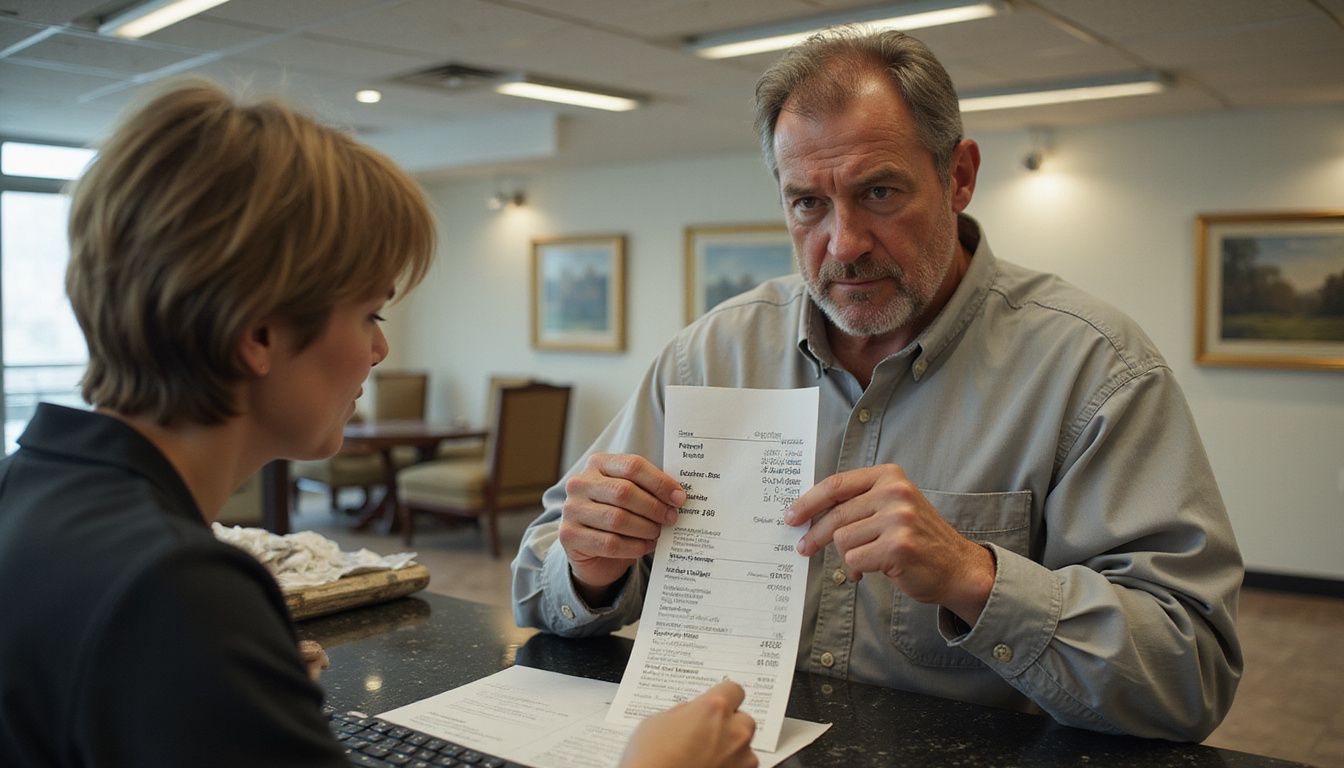
The hidden cost is not always obvious on the booking page. Sometimes it shows up only after arrival: a noisy room, a dated property, uncomfortable beds, slow service, or extra charges that make the “deal” feel much less attractive.
The real question is not:
“What is the cheapest hotel?”
The better question is:
“What will this hotel actually cost me once I factor in time, comfort, fees, location, and stress?”
This guide explains how to tell whether a cheap hotel is genuinely good value or simply cheap for a reason.
Why cheap hotels are so tempting
Cheap hotels are tempting because the savings are easy to see. If one hotel is $110 per night and another is $190, the cheaper option feels like an obvious win.
But hotel value is rarely that simple.
The booking page usually highlights the part travelers want to see: the nightly rate. It may not make the trade-offs obvious. The lower price might come with a smaller room, weaker location, older building, poor soundproofing, extra fees, limited service, or stricter cancellation terms.
Cheap hotels also trigger a common traveler bias: once we find a low price, we start looking for reasons to justify it. A few decent photos, a passable rating, and one or two positive reviews can be enough to ignore warning signs that would matter more if the price were higher.
That is how travelers end up saying:
“It’s probably fine for one night.”
“We won’t spend much time in the room.”
“The reviews are good enough.”
“The location looks close enough.”
“It’s just a place to sleep.”
Sometimes that is true. Sometimes it is the start of booking regret.
The nightly rate is only the first cost
The biggest mistake travelers make is comparing hotels by nightly rate instead of total stay cost.
A hotel that appears cheaper in search results may become less attractive once you include required fees and basic conveniences.
Common add-ons include:
resort fees
destination fees
parking charges
breakfast costs
Wi-Fi fees
early check-in fees
late checkout fees
luggage storage fees
local taxes
service fees
shuttle fees
extra guest charges
A hotel that looks $40 cheaper per night may not save you money if it charges $35 for parking and $25 in daily fees. Over a multi-night stay, the “cheap” option can quickly become similar in price to a better hotel.
Before booking, compare the final checkout total, not the first price shown in search results.
Bad location can erase the savings
A cheap hotel often comes with a location trade-off. It may be farther from the city center, public transit, attractions, beach, airport, conference venue, or restaurants than the listing makes it sound.
That distance can become expensive.
You may pay more for:
rideshares
taxis
parking
rental cars
public transit
extra travel time
late-night transportation
missed plans
airport transfers
A hotel that saves $50 per night is not a good deal if it adds $40 per day in transportation and wastes an hour each morning.
Location also affects energy. A badly located hotel can make a trip feel harder than it should. You may return less often during the day, carry more with you, eat in less convenient places, or feel stuck once you get back at night.
Before booking a cheap hotel, check the actual travel time to the places you plan to visit. Do not rely only on words like “central,” “near,” “minutes from,” or “conveniently located.”
Poor sleep is one of the most expensive hidden costs
A hotel room is not just a place to store luggage. It is where you recover.
A cheap hotel can cost you more than money if it affects your sleep. One bad night can change the whole trip. You may feel tired, irritable, rushed, or less able to enjoy the destination.
Sleep problems often appear in reviews as soft warning signs:
“a little noisy”
“thin walls”
“bring earplugs”
“bed was firm”
“street noise at night”
“could hear people in the hallway”
“AC was loud”
“curtains did not block light”
“not ideal for light sleepers”
These comments may not destroy the hotel’s rating, but they matter. A hotel can still look “good value” while being a poor fit for anyone who needs quiet, comfort, or rest.
If you are traveling for work, with children, for a wedding, or before an early flight, sleep quality should count as part of the price.
Cheap can mean “basic,” not bad
Not every cheap hotel is a problem. Some budget hotels are clean, well-located, reliable, and exactly what travelers need.
The issue is that “cheap” can mean different things.
A good cheap hotel usually has clear trade-offs. It may be simple, but it is honest. The rooms may be small, but clean. The amenities may be limited, but the location works. The design may be basic, but the service is reliable.
A bad cheap hotel hides the trade-offs. It looks acceptable online, but reviews reveal repeated issues with cleanliness, noise, service, maintenance, or fees.
The goal is not to avoid every budget property. The goal is to understand what kind of cheap you are choosing.
Good cheap:
simple but clean
basic but well-located
small but quiet
limited amenities but fair price
no surprises at checkout
recent reviews match the listing
Bad cheap:
low rate but high fees
outdated rooms hidden by photos
repeated cleanliness complaints
noisy location
unclear room type
poor service
strict cancellation terms
reviews that say “fine for one night” too often
Photos can make cheap hotels look better than they feel
Hotel photos are designed to sell the property. They usually show the best angles, best lighting, newest rooms, and most attractive spaces.
This matters more with cheap hotels because the gap between the photos and the room you actually receive can be wider.
Watch for listings that show:
mostly lobby or exterior photos
very few bathroom photos
no wide room shots
no view from the room
no hallway or entrance context
heavily staged images
only upgraded room categories
photos that look older than recent reviews suggest
If guests repeatedly mention that the hotel is dated, worn, smaller than expected, or “not as pictured,” pay attention. The photos may be technically real but still not representative of the stay you are booking.
Before choosing a cheap hotel, make sure the photos match the exact room type you plan to reserve.
“Good for the price” is a warning and a compliment
One of the most important phrases in hotel reviews is “good for the price.”
It sounds positive, and sometimes it is. But it also means guests are grading the hotel on a curve.
“Good for the price” may mean:
acceptable but not comfortable
clean enough but not spotless
convenient enough but not ideal
fine for one night but not longer
basic but tolerable
worth it only because it was cheap
That may be perfectly fine for a quick stopover. It may not be fine for a honeymoon, family vacation, business trip, or expensive city break.
The phrase is not a reason to avoid a hotel automatically. It is a reason to ask what standard you need for this specific trip.
Weak service can cost time
Budget hotels may operate with fewer staff, limited front desk hours, slower maintenance, or less flexible support. That is not always a problem — until something goes wrong.
Service issues can become costly if you need help with:
late check-in
early arrival
luggage storage
room changes
broken air conditioning
missing towels
noise complaints
billing errors
parking instructions
accessibility needs
shuttle timing
A cheap hotel with weak service can turn a small issue into a long delay. You may lose time waiting at the desk, calling support, changing rooms, or trying to solve a problem that a stronger hotel would handle quickly.
Read recent reviews for signs of service consistency. Phrases like “front desk was hard to reach,” “staff seemed overwhelmed,” “issue was not resolved,” or “check-in took forever” matter.
Strict cancellation rules make cheap hotels riskier
Cheap rates often come with stricter terms. Non-refundable bookings can save money, but they reduce flexibility.
That matters if:
your flight changes
your plans shift
the weather turns bad
someone gets sick
you find a better stay
reviews worsen before your trip
the event you are attending changes
the neighborhood no longer fits your plans
A non-refundable cheap hotel may be a good deal for a simple trip. But for expensive travel, family trips, international arrivals, or uncertain schedules, flexibility has value.
Before booking the lowest rate, compare it with the flexible option. Sometimes paying slightly more protects you from a much bigger loss later.
Cheap hotels can change the way you experience the destination
A hotel does not need to be luxurious to support a great trip. But it does need to work.
A poor hotel choice can affect your whole experience. If the room is noisy, you sleep badly. If the location is inconvenient, you spend more time in transit. If the service is weak, small problems take longer to fix. If the hotel feels uncomfortable, you may avoid returning during the day even when you need a break.
That can make the destination feel worse than it is.
Travelers often blame the city, the weather, the crowds, or the itinerary when the real issue was the stay. A cheap hotel can quietly make everything else harder.
Cheap hotel reality check: what to verify before booking
Before choosing the lowest rate, check whether the hotel still works once you factor in the full stay experience.
Look closely at:
final price after taxes, resort fees, destination fees, and parking
actual travel time to the places you plan to visit
recent comments about noise, cleanliness, service, and maintenance
whether the room type shown in photos matches the room you are booking
whether guests mention “basic,” “dated,” “fine for one night,” or “good for the price”
cancellation rules, especially if the low rate is non-refundable
whether breakfast, Wi-Fi, luggage storage, parking, or shuttle service is included
whether recent reviews are better or worse than older ones
whether location praise is specific or vague
whether the hotel still looks good compared with slightly more expensive options
A cheap hotel can still be a great choice, but only if the trade-offs are clear before you book.
Use BookYolo to check whether a cheap hotel is actually a good deal
A low hotel rate can mean real value, but it can also signal trade-offs that are easy to miss. The important question is not just whether the hotel is affordable. It is whether the stay still looks clean, comfortable, reliable, and convenient after you look beyond the price.
BookYolo helps travelers inspect those signals before booking. You can use it as a Hotel Review Checker, AI Hotel Checker, or Fake Hotel Review Detector to look for repeated complaints, vague praise, hidden fees, poor sleep signals, cleanliness concerns, location problems, and expectation gaps.
This is especially useful when a hotel looks cheap compared with nearby options. Instead of booking based only on the rate, BookYolo helps you decide whether the lower price is a smart deal or a sign that the property deserves a closer look.
When a cheap hotel is worth booking
A cheap hotel can be the right choice when the expectations are clear.
It may be worth booking if:
recent reviews are consistent
guests describe it as clean
the location works for your actual plans
the final price is still attractive after fees
the room type is clear
cancellation rules are acceptable
noise complaints are limited
the hotel is simple but honest
the stay is short
you do not need many amenities
Budget travel is not the problem. Unclear trade-offs are the problem.
When to pay more
Paying more may be worth it when the trip depends heavily on the hotel experience.
Consider upgrading if:
you need reliable sleep
you are traveling with children
you are arriving late
you need easy transit
the cheaper hotel has repeated complaints
the cheap rate is non-refundable
fees reduce the savings
the location adds transportation costs
the room photos are unclear
the trip is important or hard to reschedule
Sometimes the better deal is not the lowest price. It is the stay that protects your time, sleep, and plans.
Final takeaway
Cheap hotels are not automatically bad. Many are practical, clean, and good value. But the lowest rate can hide costs that do not show up until later: fees, poor sleep, bad location, weak service, strict rules, and time lost solving avoidable problems.
The smartest approach is to compare the total cost, not just the nightly price. Read recent reviews, check the exact location, confirm the room type, understand the fees, and decide whether the trade-offs are acceptable for your trip.
Before booking the cheapest hotel you found, run it through BookYolo to check whether the savings are real or whether hidden red flags could cost you later.
Back
