

Travel Tips
Written by
BookYolo Team




Travel sites are built to make booking feel simple. Search a city, compare prices, filter by rating, look at a few photos, and reserve. In a few minutes, you can choose a hotel, Airbnb, or vacation rental that looks good enough for your trip.
But the booking page is not the full story.
Third-party travel sites are excellent at showing availability, prices, photos, ratings, and basic amenities. What they are less good at showing is the real friction behind a stay: unclear fees, room-type confusion, strict cancellation rules, outdated photos, weak customer support, location trade-offs, and review patterns that suggest the property may not match expectations.
That does not mean you should avoid travel sites. They are useful tools. But you should understand what they are optimized to do. A booking platform wants to help you complete a reservation. Your job is to make sure the reservation is actually right for your trip.
This guide explains what travel sites often do not make obvious before you book — and how to check a stay more carefully before you commit.
1. The first price is rarely the real price
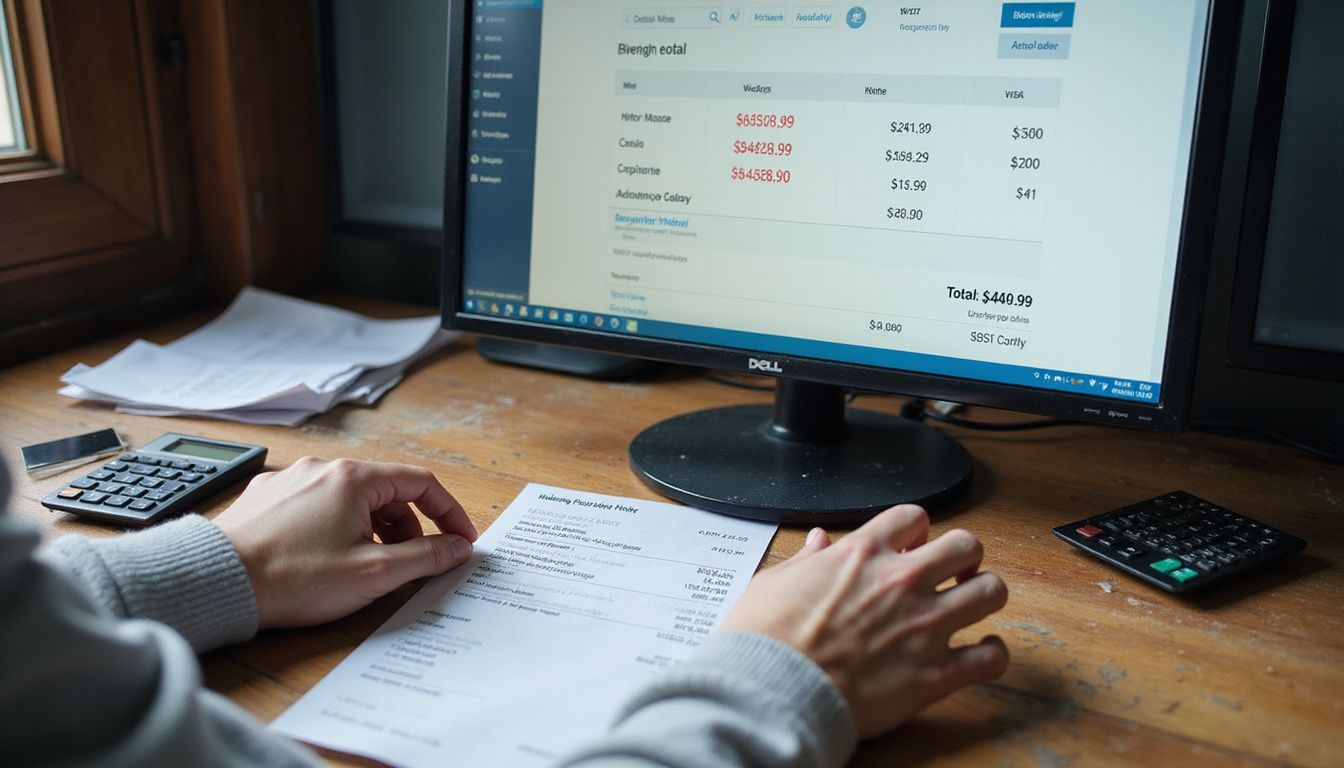
The price you see in search results is often not the full cost of the stay. Many travel sites show a nightly rate first, then reveal additional costs later in the checkout flow.
These can include:
taxes
resort fees
destination fees
cleaning fees
service charges
parking fees
extra guest fees
card processing fees
local tourism charges
security deposits
A hotel that appears cheaper in search results may become more expensive once the final price is calculated. This is especially common in major tourist cities, beach destinations, resort areas, and short-term rentals.
The mistake travelers make is comparing nightly rates instead of final totals. A $180 room with a $45 nightly resort fee may be worse value than a $210 room with no extra fee. A vacation rental with a low nightly rate may become expensive after cleaning and platform charges.
Before booking, compare the full checkout price, not the first price you see.
2. “Only a few rooms left” does not always mean what you think
Travel sites often show urgency messages such as “only 2 rooms left,” “selling fast,” or “booked 10 times today.” These messages can be useful, but they can also push travelers to decide too quickly.
Sometimes “only 2 rooms left” may refer only to:
that room type
that rate plan
that platform’s allocation
that cancellation policy
that inventory feed
that specific search result
It may not mean the entire hotel is almost sold out.
Urgency messaging can make travelers skip the most important checks: cancellation terms, total price, recent reviews, room type, bed type, location, and whether the property is actually a good fit.
A better approach is to pause for a few minutes and verify the basics. If the stay is expensive, non-refundable, or important, check the hotel’s own website as well. You may find different room types, clearer policies, or similar pricing.
3. Room types can be more confusing than they look
One of the biggest problems with hotel booking sites is room-type confusion. A listing may show beautiful photos, but those photos may not match the exact room category you are booking.
For example, the page may display:
a larger upgraded room
a renovated room
a room with a better view
a staged marketing image
a common area instead of the actual room
a room from a different category
Meanwhile, the actual rate may apply to a smaller standard room, an interior room, a partial-view room, or a room in an older section of the property.
Watch for vague room labels like:
standard room
economy room
classic room
partial view
run of house
interior room
compact room
annex room
limited view
accessible only by stairs
These labels are not always bad, but they require attention. If the room category is unclear, call or message the property before booking and ask what exact room type, bed setup, view, and building section the reservation covers.
4. Cancellation rules can be stricter than they appear
Many travelers see the word “free cancellation” and stop reading. But cancellation terms often have deadlines, time zones, exceptions, or conditions that matter.
Check whether:
the booking is refundable or non-refundable
cancellation is free only until a specific date
the deadline is based on local property time
taxes or fees are refundable
the first night is charged if you cancel late
changes are allowed after booking
the rate is prepaid
the platform or property handles the refund
Third-party bookings can also create support confusion. If something changes, the hotel may tell you to contact the booking platform, while the platform may need approval from the hotel.
For flexible trips, booking direct can sometimes make changes easier. For simple trips with clear terms, a third-party booking may be fine. The key is knowing who controls the reservation if something goes wrong.
5. The hotel may not treat every booking channel the same
Travelers often assume a reservation is the same no matter where it was booked. In practice, the booking channel can affect support, loyalty benefits, upgrades, room assignment, and flexibility.
When you book through a third-party site, you may not receive:
hotel loyalty points
elite-night credit
member-only benefits
direct upgrade eligibility
direct customer service flexibility
easier refund handling
direct app-based room controls
This does not mean third-party bookings are bad. Sometimes they are cheaper or more convenient. But if loyalty benefits, room preference, early check-in, late checkout, or flexible service matters, compare the direct booking option before deciding.
The cheapest booking channel is not always the best one.
6. Reviews on booking platforms can be too easy to skim
Travel sites usually make ratings easy to see, but they do not always make review patterns easy to understand. A property may show a strong score while the written feedback contains repeated caveats.
For example, a hotel can be rated well overall while guests repeatedly mention:
small rooms
thin walls
poor air conditioning
slow elevators
dated bathrooms
expensive parking
weak breakfast
noise from nightlife
long check-in lines
uncomfortable beds
resort fees
misleading photos
Many travelers read only the average score and a few top reviews. That is not enough. The most useful information is often in the repeated details, especially recent ones.
Look for whether the same issue appears across multiple guests. One complaint may be random. A pattern is harder to ignore.
7. Photos are marketing, not proof
Photos help you understand a property, but they are not neutral evidence. Travel listings usually show the best angles, best lighting, cleanest spaces, and most attractive room categories.
Photos may not show:
street noise
hallway condition
room wear
construction nearby
actual room size
bathroom age
view obstruction
distance to amenities
neighborhood feel
weak natural light
awkward layouts
For hotels, make sure the photos match your exact room type. For vacation rentals, look for full-room photos, bathroom photos, kitchen photos, entrance photos, and exterior context. If a listing shows only close-ups, lifestyle shots, or heavily edited images, read the reviews more carefully.
A property can photograph well and still be a poor fit.
8. “Great location” can mean different things
Location language on travel sites can be vague. A hotel may be described as central, convenient, near attractions, or close to transit, but those words do not always match your itinerary.
A “central” hotel may still be:
noisy at night
far from the airport
inconvenient for your meetings
in a tourist-heavy area
uphill from transit
difficult with luggage
expensive for rideshares
poorly connected to your actual plans
Before booking, check the map yourself. Look at walking times, transit options, airport transfer costs, and the distance to the places you actually plan to visit.
Do not book based on location labels alone.
9. Cheap deals can hide poor fit
A low price can make travelers more forgiving before booking and less forgiving after arrival. The problem is that cheap does not always mean good value.
A cheap stay may be cheap because:
the room is small
the property is dated
the location is inconvenient
fees are added later
the room is noisy
cleaning is inconsistent
service is limited
cancellation rules are strict
the property has weak recent reviews
There is nothing wrong with choosing a budget stay. But a good budget stay should still be clean, accurate, safe-feeling, and practical for your trip.
The question is not “Is this cheap?” The question is “Does this cheap stay still work once I factor in the trade-offs?”
10. Third-party customer support can become a problem during disruptions
Third-party booking sites are convenient when everything goes smoothly. The weakness appears when something goes wrong.
Problems can include:
hotel cannot find the reservation
room type is different from what you booked
the property cancels
your flight delay affects check-in
refund is delayed
the platform blames the property
the property blames the platform
cancellation rules are interpreted differently
support is hard to reach during peak times
Before booking through a third-party site, ask yourself how much support you may need. For a simple one-night stay, the risk may be low. For a major trip, expensive stay, family vacation, international arrival, or late-night check-in, support and flexibility matter more.
How to check a hotel before booking on a travel site
Before you reserve, use this quick checklist.
Compare the final price
Do not compare the first displayed rate. Compare the total price after taxes, fees, and required charges.
Check the same property directly
Look at the hotel’s official website. Compare the rate, room type, cancellation policy, and benefits.
Read recent reviews first
Recent reviews are more useful than old reviews. They reflect current staffing, cleanliness, maintenance, and service quality.
Look for repeated complaints
Search for repeated mentions of noise, cleanliness, check-in, fees, room size, air conditioning, parking, or misleading photos.
Confirm the room type
Make sure the room you are booking matches the photos and description that convinced you.
Review the cancellation deadline
Know the exact date, time, and refund conditions before paying.
Check the map manually
Look at the actual distance to transit, attractions, restaurants, airport connections, or your planned activities.
Save proof
Take screenshots of the room type, cancellation terms, final price, and included amenities before booking.
When booking direct may be better
Booking direct can be useful when:
the price is similar
you want loyalty points
you care about upgrades
you need flexible cancellation
you have special requests
you are arriving late
the stay is expensive
you are booking for family
you want easier customer service
the room type must be exact
Third-party sites can still be useful for discovery and comparison. But once you find a property you like, it is often worth checking whether the hotel offers the same or better deal directly.
When a third-party booking can still make sense
A third-party site may be fine when:
the price is clearly better
the cancellation terms are acceptable
the stay is simple
you do not need loyalty benefits
the room type is clear
the property has strong recent reviews
the final price is transparent
you have payment protection
you are comfortable managing support through the platform
The goal is not to avoid third-party sites entirely. The goal is to use them carefully and understand what they may not show clearly.
Check BookYolo before you trust the booking page
Travel sites are useful for comparing hotels and rentals, but they are not built to fully explain stay quality. A listing page can show price, photos, ratings, and amenities while still making it hard to understand whether the property is clean, quiet, accurate, well-located, and worth the final cost.
BookYolo helps travelers add a second layer of review before booking. You can use it as a Hotel Review Checker, AI Hotel Checker, Vacation Rental Review Checker, or Airbnb Listing Analyzer to inspect whether a stay has repeated complaints, vague praise, fake review signals, hidden red flags, or expectation gaps.
This is especially helpful when a travel site makes the deal look urgent, the rating looks strong, or the price seems too good to ignore. Instead of relying only on the booking page, BookYolo helps you check whether the stay itself appears reliable.
Quick pre-booking checklist
Before you click reserve, ask:
Is this the final price or just the displayed rate?
Are resort, cleaning, parking, or service fees included?
Is the room type clear?
Do the photos match the room I am booking?
Are cancellation terms flexible enough?
Who handles support if something goes wrong?
Are recent reviews consistent?
Do guests repeat the same complaints?
Is the location actually convenient for my plans?
Would I still book this if the rating were slightly lower?
If the answer to several of these questions is unclear, slow down before paying.
Final takeaway
Travel sites are helpful, but they do not always show the full booking risk. A stay can look cheap, highly rated, and convenient while still hiding fees, strict rules, unclear room types, weak support, misleading photos, or review patterns that point to disappointment.
The safest approach is to compare the final price, verify the room type, read recent reviews, check the map, understand cancellation rules, and make sure the property matches the trip you actually want.
Before booking, run the listing through BookYolo to check for hidden red flags, review patterns, fake review signals, and expectation gaps.
Back
