
Travel Tips
Written by
BookYolo Team




Some Airbnb listings look almost too good to be true — bright rooms, perfect angles, stylish furniture, polished descriptions, and glowing reviews. Then travelers arrive and realize the space feels smaller, noisier, darker, less clean, or less convenient than expected.
That gap between the listing and reality is one of the biggest causes of booking regret. Sometimes it happens because photos are edited, amenities are overstated, or location descriptions are too optimistic. Other times, the listing may technically be accurate but still create the wrong expectation.
The challenge for guests is that misleading Airbnb listings are not always obvious. A property can have nice photos, a high rating, and a friendly description while still hiding practical issues in the details.
This guide explains why some Airbnb listings mislead guests, what red flags to watch for, and how to analyze an Airbnb listing before booking so you know what to expect before you arrive.
Key Takeaways
Airbnb hosts often use wide-angle lenses, over-edited photos, and staged decor to make rooms look larger or cleaner than they really are. This can mislead guests into expecting a nicer space.
Hosts sometimes exaggerate amenities in listings. For example, calling a basic couch “luxury” or listing broken pools as available features. Guests only find the truth after arriving.
Many misleading tactics come from market pressures. Hosts want more bookings and higher income, so they focus on making their property stand out—even if it means stretching the truth.
You can spot fake listings by looking for signs like overly polished photos, vague descriptions, limited guest reviews, and inconsistent comments from past visitors.
These misleading practices lead to disappointment for travelers. According to guest feedback highlighted by BookYolo analysis, issues like mismatched listing details increase complaints and cancellations on Airbnb.
Common Misleading Tactics in Airbnb Listings
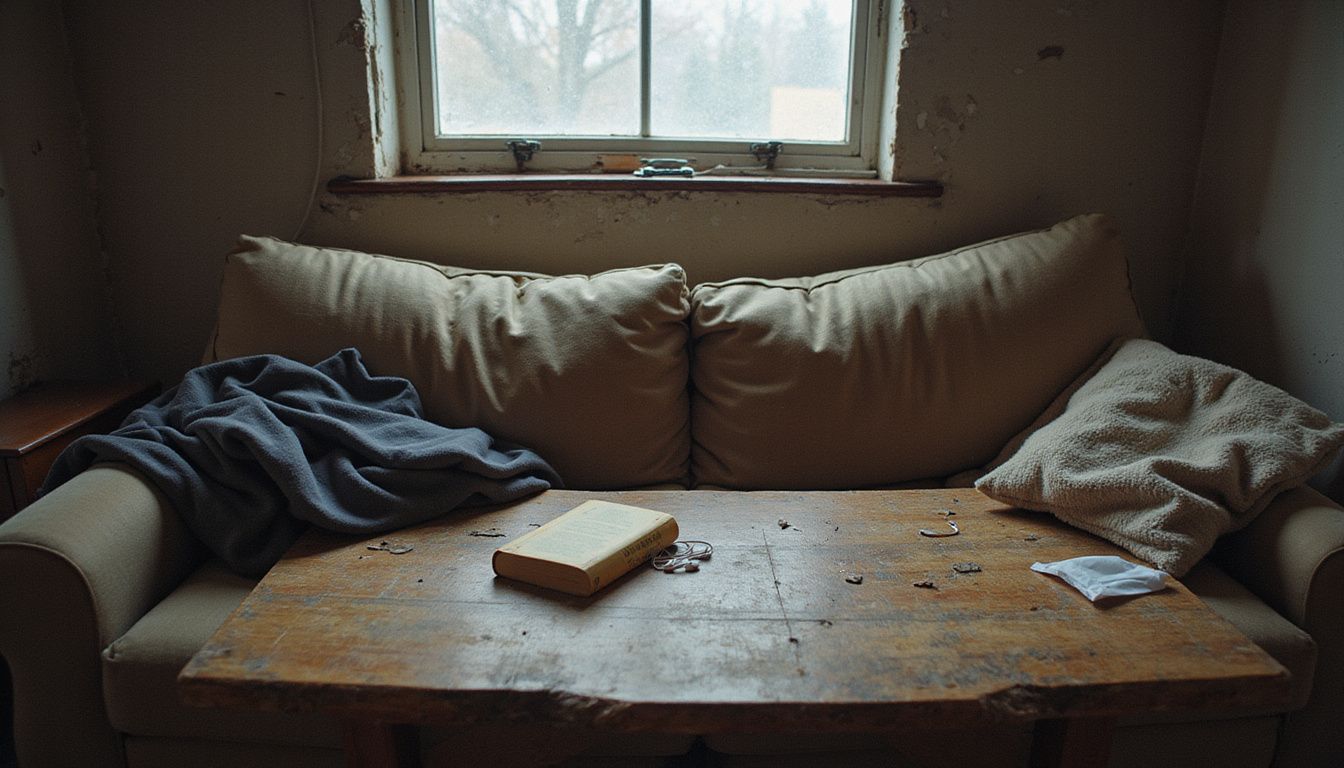
Airbnb hosts often play tricks with their listing photos. They use wide-angle lenses to make small rooms appear bigger and stage areas with perfect lighting.
Over-edited and enhanced photos
Hosts often use photo editing to make their listings on Airbnb look cleaner, brighter, and more attractive than they actually are. Heavy filters or boosted lighting can hide flaws like chipped paint, mold in the bathroom, scratches on furniture, or messy kitchens.
Some even edit out clutter or dark corners so rooms seem airy and perfect for a hotel.
These misleading airbnb photos make guests expect luxury accommodations but deliver disappointment upon arrival. After booking a reservation because of these polished images, some travelers feel misled when reality does not match what was advertised online.
Misrepresentation through photo editing can lead to unhappy customers who leave negative reviews or contact airbnb customer service to complain about the mismatch between listing vs reality.
Misrepresentation of property size with wide-angle lenses
Wide-angle lenses can trick the eye and make a tiny apartment look twice its size. Many Airbnb listings use this photography trick to create shots that stretch small rooms into open spaces.
A guest might book what looks like a spacious loft, then walk in and realize the bed is nearly touching the mini-fridge. Some hosts hire professionals who know how to angle every shot for maximum effect, boosting visibility on search engines across the Airbnb platform.
These booking photos often hide just how tight or cluttered a space actually feels. You expect enough room for your luggage but end up stepping over it at every turn. The algorithm rewards bright, open-looking properties, so stretching reality wins extra money for some owners hoping to make their listing more attractive.
This misrepresentation leads guests to file complaints via Airbnb or even ask for refunds or discounts after check-in fails to match what they saw online.
Exaggeration of amenities and features
Hosts often make a listing sound better than it actually looks. They might call a small couch a "luxury sofa" or claim the Wi-Fi is blazing fast, but guests arrive and get frustrated buffering videos.
Some listings say you have "access to a gym," then you discover it's just an old treadmill in a shared hallway. Guests report these issues in reviews from guests, yet new visitors fall for the hype because everything looked great online.
Fraud creeps in when hosts list pools that only work half the time, add fake hot tubs, or pretend every guest gets free parking when spots are actually first come, first served. One host even labeled their basic coffee maker as an "amenity-rich espresso bar." This issue leads people to cancel bookings or try to resolve the issue with Airbnb support right after check-in.
That 'shared rooftop terrace' turned out to be one plastic chair facing an alley, joked one traveler online.
Superhosts who want more payout may sometimes stretch the truth about amenities like en suite bathrooms while hiding that you’ll be sharing a bathroom with three strangers. Always scrutinize claims before booking so you don’t end up needing to relocate last minute.
Reasons Behind Misleading Listings
Hosts often feel pressure to stand out in a crowded market. They want to book every night, so they may stretch the truth about their listings.
Competitive market pressures
Hosts face strong competition in the Airbnb marketplace. This pressure pushes them to spice up their listings with flashy photos and enticing descriptions. They often feel the need to stand out to attract potential guests.
Many exaggerate property features or embellish amenities. The desire to maximize bookings drives some hosts to present a version of their listings that doesn't reflect reality.
Guests may arrive expecting one thing but find another. Misleading tactics create frustration and disappointment when expectations do not match reality. Next, let’s explore how you can spot misleading listings effectively.
Desire to maximize bookings
Market pressures push hosts to attract more guests. Many want to fill their calendars and boost income, leading them to stretch the truth. They mislead potential guests with over-edited photos or deceptive descriptions.
For example, a listing might show stunning views that only appear from a specific angle. This desire for bookings can make some hosts embellish amenities too.
Hosts often think shortcuts will bring in quick money. They may choose flashy visuals instead of accurate photos that show the real space. However, this tactic can backfire; guests expect what they see online but find something different upon arrival.
Misleading listings frustrate visitors and also lead to cancellations and bad reviews.
The Difference Between “Accurate” and “Actually Helpful”
A listing can be technically accurate and still leave guests disappointed.
For example, a host may say the apartment is “cozy,” but travelers may not realize that means very small. A listing may advertise “steps from nightlife,” but guests may not understand that it also means street noise late at night. A property may mention “shared access,” but the real experience may feel less private than expected.
That is why travelers should look beyond whether the listing is simply true. The better question is: does the listing give me a realistic idea of the stay?
Watch for words that may sound positive but need closer inspection:
“Cozy” may mean small
“Lively area” may mean noisy
“Quaint” may mean older or basic
“Up-and-coming neighborhood” may mean mixed location experience
“Compact” may mean limited space for luggage
“Near attractions” may still mean inconvenient transit
“Shared amenities” may not feel private
“Rustic” may mean dated or less comfortable
None of these phrases automatically mean the Airbnb is bad. But they are signals to check the reviews, photos, rules, and location more carefully.
Before booking, use an Airbnb listing checker to review whether the description, guest patterns, and listing signals match the experience you expect.
How to Spot Misleading Listings
Watch for signs that an Airbnb listing might not tell the whole truth. If photos seem overly polished or staged, they may hide flaws in the property. Check guest reviews too. Look for comments that mention a different experience from what the listing shows.
Identifying overly edited or staged photos
Over-edited and staged photos can trick you. Look closely at the images. Does everything seem too perfect? If a room looks like it came from a magazine, be wary. Sometimes, hosts use filters or heavy edits to make their space look better than reality.
Check for signs of staging as well. Are there fake plants or overly arranged furniture that seems unnatural? Trust your instincts; if a photo feels off, it probably is. These tricks can mislead guests about what the property actually looks like, leaving them disappointed after booking.
Always do your homework before hitting "book.
Analyzing guest reviews for discrepancies
Guest reviews often reveal the truth behind listings. Many travelers share their experiences, highlighting what surprised them. Analyzing these reviews helps identify inconsistencies between a property’s description and reality.
If guests mention that the photos didn't match their experience, it raises red flags.
BookYolo interprets these insights to spotlight quality signals missed by prospective renters. Their analysis sets clear expectations for travelers and helps avoid surprises when arriving at a rental.
Understanding guest feedback can help potential visitors make better decisions while browsing Airbnb options. Next, let’s explore the signs an Airbnb listing may be misleading: red flags, scams, and warning signs.
How to Analyze an Airbnb Listing Before Booking
Before you book an Airbnb, check the listing in layers. Do not rely on one rating, one photo, or one positive review.
1. Compare the photos with the written description
Look for missing angles. Are there enough photos of the bathroom, bedroom, kitchen, entrance, windows, and common areas? If the listing only shows styled close-ups, it may be hiding practical details.
2. Read the softer comments in reviews
Airbnb reviews are often polite. A guest may still leave a positive review while mentioning noise, stairs, small rooms, weak air conditioning, or awkward access. These soft warnings matter more when they appear repeatedly.
3. Check whether amenities are specific
“Fully equipped kitchen” is less useful than clear details about what is included. “Fast Wi-Fi” is less useful without consistent guest confirmation. Be careful when the description sounds impressive but lacks specifics.
4. Look at the house rules
Strict rules, chore lists, guest limits, quiet hours, security deposits, or complicated check-in steps can change the feel of the stay. A listing can look relaxed in photos but feel restrictive in practice.
5. Check the location language
“Close to everything” can mean many things. Check whether guests mention transport, walking at night, noise, parking, or whether the area matched expectations.
6. Ask whether the price matches the likely experience
If the total cost is high after fees, the stay should not just look good. It should have strong signals around comfort, cleanliness, location, and reliability.
If you are still unsure, ask the practical question: Should I Book This Airbnb based on the full listing, not just the photos.
Impact of Misleading Listings on Guests
Misleading listings leave guests feeling disappointed and frustrated. They expect one thing but find another. This mismatch can lead to bad experiences and even complaints to Airbnb.
Guests may cancel their bookings or post negative reviews, which affects hosts too. Trust is crucial in this sharing economy, yet misleading tactics break it down like a house of cards.
Want to learn how to protect yourself from these pitfalls? Keep reading!
Dissatisfaction and negative experiences
Guests often feel dissatisfied after seeing the reality of their Airbnb listing. They expect an inviting space but find a different story. Many listings do not accurately represent what awaits them upon arrival.
Guests may encounter an apartment that feels smaller than advertised, leaving them frustrated. Some rooms appear overly edited in photos, leading to unpleasant surprises.
These experiences can lead to negative emotions and complaints. Travelers often voice their discontent through reviews or cancel their reservations altogether. Misleading listings increase the chance of these unfavorable situations during stays.
Hosts wanting to maximize bookings might create false impressions, which ultimately harms guest satisfaction and trust in the platform as a whole.
Increased complaints and cancellations
Misleading listings often lead to unhappy guests. As a result, more travelers voice complaints about their experiences. These misrepresentations create a gap between what guests expect and what they actually find.
When people book a stay thinking they are getting luxury, but end up facing disappointments, frustration grows. This discontent can trigger high cancellation rates.
BookYolo identifies issues that cause dissatisfaction in order to block surprises for guests. It helps hosts showcase reality instead of an illusion. By analyzing detailed information about listings and interpreting fine print, the platform aims to minimize guest frustrations and encourage informed booking choices.
This proactive approach addresses the root of increased complaints and cancellations effectively. Now let’s look at how to spot misleading listings with some clear red flags to watch out for next.
How BookYolo Helps Spot Airbnb Listing vs. Reality Gaps
BookYolo helps travelers check Airbnbs, hotels, and vacation rentals before booking. For Airbnb listings, it is especially useful because the biggest risks are often hidden in the gap between what the listing promises and what guests actually experience.
BookYolo scans for hidden red flags, review patterns, fake review signals, fee surprises, and expectation gaps. It can help identify signs that an Airbnb may be oversold, unclear, or not aligned with the trip you have in mind.
Use BookYolo to check for:
Misleading or overly polished listing language
Repeated guest complaints hidden inside polite reviews
Noise, cleanliness, comfort, or access issues
Location mismatch
Amenity exaggeration
Fee surprises
House-rule concerns
Airbnb red flags before booking
Before committing, you can check Airbnb reviews before booking to understand whether the guest feedback supports the listing.
Conclusion
Guests often face surprises when booking through Airbnb. Listings can look enticing, but the reality might be different. Over-edited photos and exaggerated claims mislead many travelers.
This creates disappointment and frustration upon arrival. Keep an eye out for red flags to avoid unpleasant experiences. Use tools like BookYolo to find clarity in listings before you book your stay.
Transparency is key for a happy trip!
Does the Airbnb look better than it feels?
A listing can have polished photos, friendly wording, and high ratings while still hiding expectation gaps. Before you book, run a free BookYolo check to scan for Airbnb red flags, review patterns, fee surprises, fake review signals, and listing-vs-reality issues.
FAQs
1. Why do some Airbnb listings look better online than in real life?
Many hosts hire photographers who know how to use lighting and angles. Some even stage rooms with props that never stay for guests. The photos made it look like a dream, but sometimes reality falls flat.
2. Are misleading Airbnb listings intentional or accidental?
Some owners want their place to stand out when people browse options, so they choose words and pictures carefully, sometimes too carefully. Other times, the gap between listing and reality comes from poor upkeep or rushed updates, not outright trickery.
3. How does professional staging affect what guests expect?
When a property is professionally staged for photos, it can set high hopes. Guests might think Airbnb means comfort and style at every turn; instead, they find investment furniture that’s more looks than function.
4. What should I do if my thought of an Airbnb doesn’t match the actual space?
First, talk with your host about any issues you spot right away; many will try to help fix things fast. If talking doesn’t work out or if problems are big enough, reach out to customer support using clear details about what was promised versus what you found during your stay.
Back
