
Travel Tips
Written by
BookYolo Team




Ever booked a hotel and felt shocked because the glowing reviews did not match your experience? Studies say almost half of travelers check only sites like TripAdvisor before booking.
This guide shows why stay reviews alone are not enough for travelers, especially if you travel solo. Hang around to find out what you might be missing!
The Challenges of Relying on Stay Reviews Alone
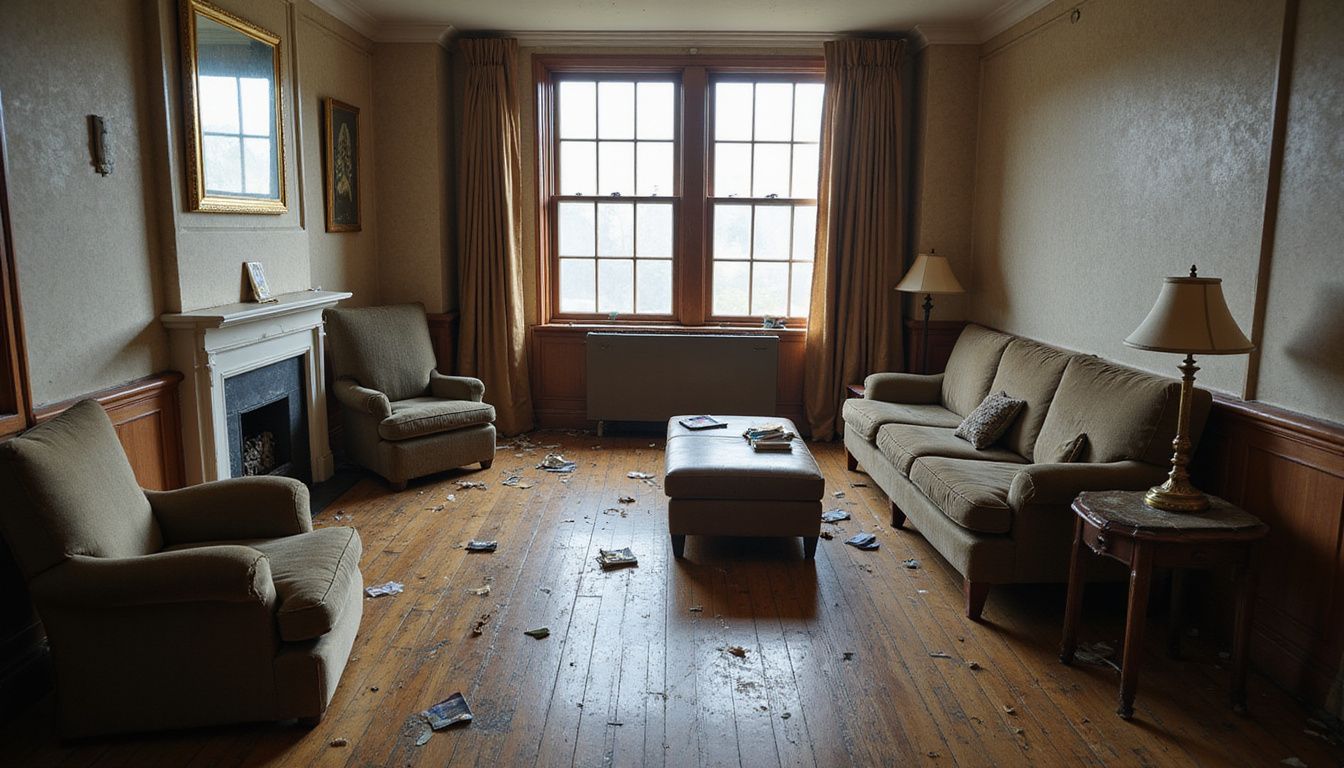
Many travelers trust stay reviews, but that can lead to problems. Fake and biased opinions often cloud the truth of a hotel’s quality.
Fake and Biased Reviews
Hotel reviews on TripAdvisor are not all from real guests. Some reviews come from people who never stayed at the hotel, like staff or even competitors. Businesses sometimes offer discounts, upgrades, or a free breakfast to get five-star ratings.
This practice skews results and makes reading online reviews tricky for solo travelers looking for honest feedback.
One fake review can lead others to rave or rant without real experience. As Rick Steves once said,.
A fake review is just good marketing gone bad.
Spotting biased comments often comes down to reading between the lines—watch out if every reviewer praises the same host or calls everything “extraordinary.” That’s a red flag waving right in your face.
Trust should be earned by finding balanced guest stories that go beyond simple positive reviews and list both the pros and cons of a stay.
Manipulation of Ratings Through Incentives
Shady behavior does not stop with fake or biased reviews. People sometimes boost a hotel’s rating by giving perks to guests who promise positive reviews. Free breakfast, upgrades, or even discounts often tempt travelers to write glowing user reviews.
In 2018, a TripAdvisor investigation found that some hotels offered drinks at the bar in exchange for five-star ratings.
I once stayed at a hostel in Prague where the manager slid a coupon across the check-in desk and whispered, “Five stars on Tripadvisor gets you free laundry.” That may sound harmless, but it distorts honest feedback.
Real solo adventure seekers want legit advice from other travelers—not just those tempted by freebies. Sites like tripadvisor.com have rules against this trickery, but plenty still slips through the cracks each year.
Subjectivity in Reviews: The "Friendly Host" Factor
A glowing review might gush about a hotel's “friendly host” and warm coffee, but that does not always help solo travelers. Some guests value friendliness above safety features or cleanliness, and their reviews reflect that bias.
I once booked what seemed like the perfect hostel after reading endless raves about the owner's hospitality. The bed was lumpy, and there were no lockers for valuables; I wished someone had focused less on free breakfast banter and more on guest security.
People weigh different things in each hotel review. One reviewer may give five stars because the owner shared local tips or offered an extra croissant at breakfast while ignoring noise or outdated bathrooms.
Others focus only on price, missing details crucial for solo adventure seekers who travel alone without backup. This makes it easy to miss problems if you rely just on positive vibes from customer reviews; spotting these inconsistencies can save your trip from disappointment.
Extreme ratings often reveal even more hidden issues with online reviews than simply subjective “host factors.”
Recognizing the Limitations of Online Reviews
Online reviews can be a mixed bag. Some highlight great experiences, while others share extreme opinions that skew the truth.
Polarized Opinions and Extreme Ratings
Extreme ratings can distort your view of a hotel. Travelers often share highly emotional experiences. Some rave about their stay, while others leave scathing reviews over minor issues.
You might see a hotel with a mix of five-star and one-star ratings. This polarizing feedback creates confusion for solo travelers trying to make informed decisions.
Many people focus on the extremes rather than looking at the overall picture. A great review might praise an incredible breakfast, but what if other crucial aspects fall short? Take my experience in Europe as an example; I once booked a hotel that had nearly perfect reviews, only to find out it lacked safety features important for solo travelers like me.
Extreme ratings mislead and complicate the booking process instead of simplifying it.
“A good review is gold, but don’t let just one shine too brightly.”
Generalized Feedback Lacking Specific Details
Generalized feedback often lacks the specifics solo travelers need to make informed decisions. A review that simply states, “The hotel was nice” offers little insight. Such vague comments don’t help you understand what makes it nice.
Did the staff treat guests well? Was it clean and comfortable? These details matter.
Many reviews fail to address critical aspects of a stay. For example, a traveler might mention breakfast but leave out whether it’s included in your rate or not. You may find yourself paying extra if the review skips over such details.
Always look for concrete examples in reviews to get real value from them; turn vague statements into specific insights by searching for context and clarity in each story shared online.
Spotting Fake Hotel Reviews: How to Detect in 60 Seconds
Fake hotel reviews can mislead travelers. A few quick checks can help you spot them in no time.
Look for lengthy, overly enthusiastic reviews. They often read like ads rather than genuine experiences. Genuine reviewers share both good and bad details.
Check the reviewer's history. Profiles with only one review or many identical reviews across different hotels raise red flags. Authentic reviewers usually have a varied review history.
Notice the language used in the review. Fake reviews may contain generic phrases such as "best stay ever" or "must visit." Real people use personal anecdotes and specific details about their stays.
Compare ratings against other reviews. If one reviewer gives a perfect score while most others are moderate, that’s suspicious behavior. Balance in ratings signals authenticity.
Identify emotional extremes in feedback. Enthusiastic praise or outrage can indicate manipulation instead of honest opinions from guests.
Consider timing of the review's posting date. A flood of positive reviews appearing suddenly often occurs when hotels incentivize feedback strategies, hinting at insincerity.
Read reviews over time to spot trends; consistent gaps in quality signal an issue that could affect your stay as a solo traveler.
Use platforms like TripAdvisor to cross-verify information with another reputable site, ensuring you gather diverse perspectives on your potential hotel choice.
Trusting online content without scrutiny can lead to missed or hidden costs and surprises during your travels!
Why Stay Reviews Alone May Fail Solo Travelers
Stay reviews alone often miss key points for solo travelers. They might not highlight safety features or accessibility options. You need more than just glowing recommendations to feel secure on your trip.
Many reviews overlook hidden costs, like single supplements, which can catch you off guard. Solo adventurers deserve specific insights that most online reviews simply don't provide.
Join me as we explore what really matters when booking a hotel!
Lack of Focus on Safety Features
Hotels often overlook safety features in their listings. Many reviews focus on cleanliness, amenities, or the friendly host without mentioning security aspects. Solo travelers need to feel safe while exploring new destinations.
A recent survey showed that 60% of solo travelers prioritize hotel safety above all else. Look for secure entrances, well-lit areas, and nearby emergency services when choosing a place to stay.
Prioritize these factors over fancy breakfasts or beautiful views; they play a crucial role in your experience as a solo traveler.
Missing Context for Solo Travel Needs
Most hotel reviews miss details that solo travelers need. For example, safety features often take a backseat in general reviews. Solo travelers prioritize secure entrances and well-lit areas for peace of mind.
Many reviews focus on family-friendly amenities or activities for couples instead of aspects that matter to someone traveling alone.
Costs can also be tricky. Some hotels charge extra fees like single supplements without mentioning them in their reviews. This lack of context leads to budgeting surprises after arrival.
A solo traveler may rely on excellent feedback yet find unexpected hurdles upon checking in. Such gaps make it crucial to dig deeper than just star ratings or glowing comments about the "friendly host.
Overlooked Hidden Costs Like Single Supplements
Solo travelers often face hidden costs that can surprise them. Single supplements charge extra fees for staying alone in a hotel room. Many hotels add these fees, making your stay more expensive than expected.
For example, a hotel may showcase an attractive rate for two guests but jack up the price for solo visitors.
Travelers should pay attention to this detail when booking. A low room price might not be the final amount you end up paying. Always factor in potential single supplements into your budget to avoid disappointment later on.
Check review sites like TripAdvisor and Booking.com for insights about these extra charges before booking your trip; real people will share their experiences regarding hidden costs that affected their travel budgets.
How to Use TripAdvisor Reviews Effectively as a Solo Traveler
Reading TripAdvisor reviews can be a game-changer for solo travelers. Focus on newer, detailed comments to get the real scoop about each hotel and its atmosphere.
Look for Detailed, Recent, and Verified Reviews
Detailed, recent, and verified reviews stand out among the noise of generic feedback. They provide a clearer picture of what you can expect during your stay. Look for reviews that come from users who traveled solo like you.
Their experiences often highlight essential aspects such as safety features and social opportunities.
Recent reviews reflect the current state of hotels. An outdated review may not give you an accurate snapshot anymore. Verified reviews carry more weight; these come from confirmed guests who actually stayed at the property.
Pay attention to specifics in these accounts, as they reveal much about potential pros and cons when choosing your hotel for your next adventure. Patterns in multiple reviews can guide you toward making informed choices or help avoid pitfalls ahead of time.
Filter Reviews Based on Similar Traveler Profiles
Filtering reviews based on similar traveler profiles helps you find insights that matter. Look for fellow solo travelers who share your interests or concerns. Their experiences often align better with your needs.
Search for details on safety features and social spaces that enhance the solo experience.
Many travelers write about their unique journeys, but similarities reveal valuable patterns. Check how others felt about location, service, or additional costs like single supplements.
Following the trails of those who traveled like you can lead to better decisions and a more enjoyable stay.
Identify Patterns Across Multiple Reviews
Look for recurring comments across different reviews. If several travelers mention cleanliness, pay attention to that detail. When multiple guests highlight a hotel’s safety features, it signals importance for your solo trip.
Patterns often emerge quickly when examining recent feedback. For example, noting several people mention friendly staff can assure you of good service.
Check if fellow solo travelers share their experiences with hidden costs or special amenities like community spaces. These insights help you gauge whether the hotel fits your needs.
Finding trends in reviews saves time and also leads to better decisions about where to stay next. Next, enhance your research by cross-checking online reviews with other trusted sources.
Supplementing Online Reviews with Additional Research
Online reviews can only tell you so much. Digging deeper will give you a clearer picture of your hotel choices. Check other trusted sources for insights about the place and its surroundings.
Spend some time researching the location, too, to see what's nearby that might interest you.
Cross-Check Reviews with Other Trusted Sources
Check reviews on other trusted sources like Google, Booking.com, and Airbnb. These platforms provide different perspectives. By comparing ratings, you can spot trends that might highlight issues or benefits missed by a single site.
Look for user reviews detailing experiences similar to yours. If multiple travelers mention the same positive aspects or concerns, take note. Consistent feedback across sites adds credibility to your choice of hotel.
Don't put all your trust in one review platform; broaden your search to gather real insight from various voices.
Research the Hotel’s Location and Nearby Amenities
Finding a hotel near attractions makes your trip easier. Look for places close to restaurants, shops, and public transportation. A well-located hotel saves you time and money during your stay.
Check how far the hotel sits from key sights. Some hotels offer shuttle services or are within walking distance of popular spots.
Amenities play a big role too. Free breakfast can make mornings simpler and save on costs. Wi-Fi access is essential for staying connected, especially for solo travelers who want to share updates or keep in touch with friends back home.
Hotels with community spaces create opportunities to meet fellow travelers and share stories, enhancing your solo journey even more.
Verify Safety and Accessibility Features
After researching the hotel’s location and nearby amenities, check the safety and accessibility features. Focus on secure entrances. Look for well-lit areas around the hotel. You want to feel safe when you return at night.
Accessibility matters too. Ensure that ramps or elevators are available if needed. Think about your personal needs while staying there. Whether it’s a step-free entrance or emergency exits, knowing these details helps solo travelers make confident choices.
Tips for Solo Travelers When Choosing a Hotel
Choose hotels that prioritize safety features, like secure entrances and well-lit areas. Look for places close to social activities. Consider spots with community spaces where you can meet fellow travelers.
You’ll feel more at home that way! For more tips on how to pick the right hotel, keep reading!
Prioritize Safety Features Like Secure Entrances and Well-Lit Areas
Secure entrances and well-lit areas are crucial for solo travelers. Always look for hotels with strong security measures. Reliable locks on doors and staffed front desks can provide peace of mind.
Adequate lighting around the hotel, especially in parking lots and walkways, helps keep guests safe.
I once stayed at a hotel that had poor lighting outside; it felt unsettling walking to my room after dark. In contrast, another place had bright lights everywhere, which made me feel comfortable even late at night.
Don't compromise on safety features when booking your accommodation; they play a vital role in making your trip enjoyable and stress-free.
Consider Proximity to Social and Cultural Activities
Choose a hotel close to local hotspots. Being near social and cultural activities makes your travel experience richer. Imagine stepping out of your hotel and walking to a jazz club or art gallery.
It turns routine trips into adventures.
Finding restaurants, parks, and shops nearby adds excitement. Solo travelers should look for places that allow easy exploration. The closer you stay to these venues, the more time you have for fun experiences.
A lively atmosphere boosts your travel spirit as well; it creates opportunities to meet new people while enjoying local culture. This focus on proximity helps in identifying hotels that cater to solo needs effectively.
Look for Hotels with Community or Social Spaces
Hotels with community or social spaces offer a chance to meet others. They create an inviting atmosphere for solo travelers. Shared lounges, game rooms, and communal kitchens provide opportunities to connect.
A friendly chat over coffee can lead to new friendships or travel tips.
Look for hotels that host events or activities. These can include group dinners, tours, or workshops. Such experiences make it easier to bond with fellow guests. Social environments help you feel less lonely while exploring new places.
It’s all about finding a welcoming space where you can share your adventures and make memories together.
Conclusion
Solo travelers need to dig deeper than just stay reviews. Fake reviews can mislead you. Reviews often focus on personal experiences that may not apply to your needs. Always check several sources and verify details before booking a place.
Keep safety, location, and amenities in mind when choosing your next adventure spot!
FAQs
1. Why can't I just rely on stay reviews for hotel choices?
Stay reviews provide some insight, but they often miss key details. They may not cover cleanliness or staff friendliness well. A broader view helps you make better decisions.
2. How can I find more reliable information on TripAdvisor about hotels?
Look beyond stay reviews alone. Check the overall ratings and read multiple opinions. Look for patterns in comments that highlight strengths and weaknesses of each place.
3. What should solo travelers consider when reading hotel reviews?
Solo travelers need to focus on safety, location, and amenities suited for one person. Reviews that mention these aspects will help you feel secure during your trip.
4. Can humor in reviews be a red flag?
Sometimes humor hides serious issues; it can mask real problems like noise or poor service. Take funny comments with a grain of salt and look deeper into what others say about their experience.
Back