
Destinations Guides
Written by
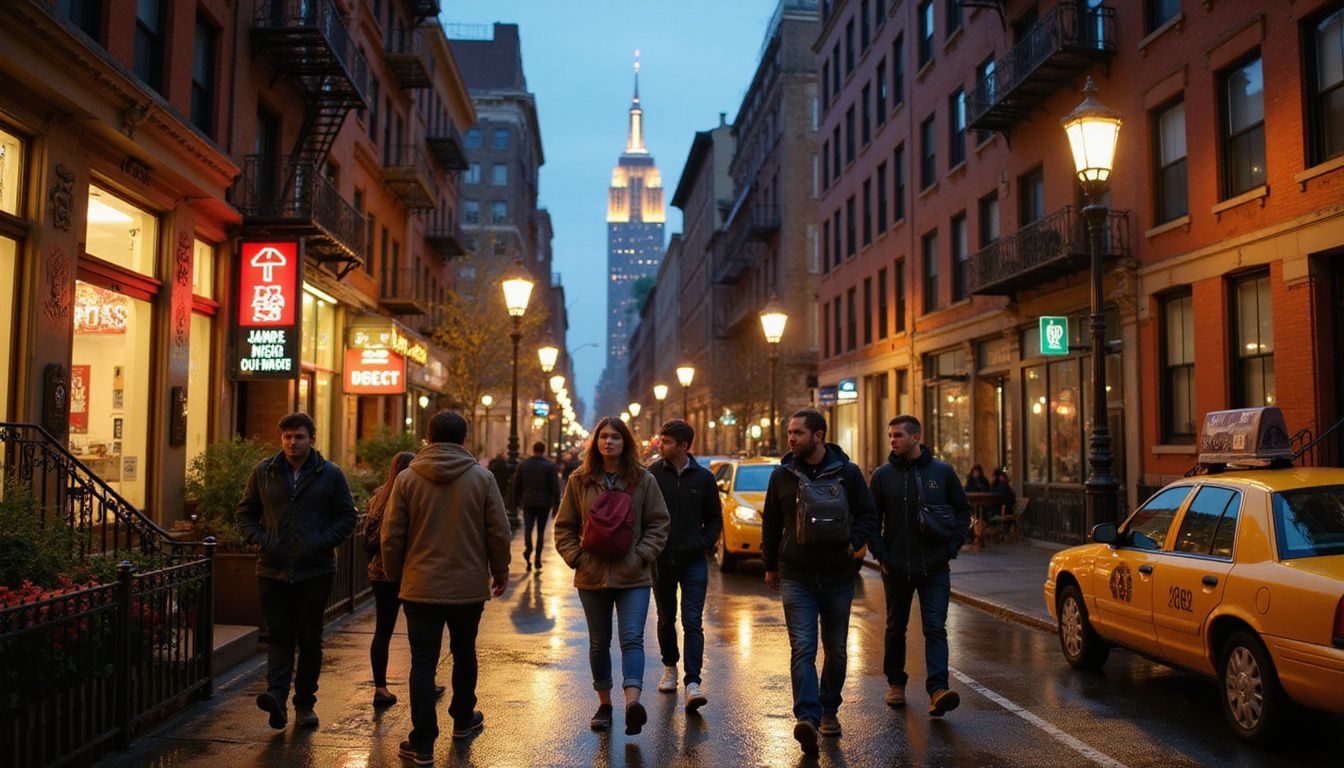
Compare New York City’s best areas for first-time visitors by subway access, sightseeing time, nighttime atmosphere, noise, room size, and hotel tradeoffs.




For most first-time visitors, Midtown Manhattan is the easiest place to stay in New York City. It puts Broadway, Times Square, Rockefeller Center, major subway lines, and several train hubs within reach. But convenience comes with trade-offs: crowds, compact rooms, street noise, and destination fees.
The best NYC area depends on what you plan to do after check-in. Choose the neighborhood first, then inspect the exact hotel. A famous address cannot compensate for poor maintenance, slow elevators, or a room category that is much smaller than the photos suggest.
Best NYC areas at a glance
Midtown: best for first-time sightseeing and Broadway.
Upper West Side: best for families, parks, and calmer evenings.
Chelsea and Flatiron: best for restaurants, galleries, and central transit.
SoHo and the West Village: best for atmosphere, boutiques, and dining.
Lower East Side and East Village: best for nightlife and late dining.
Financial District: best for lower-Manhattan sights and quieter nights.
Williamsburg: best for a Brooklyn base with nightlife and skyline views.
Midtown: easiest for a first visit
Midtown reduces travel time when your itinerary includes Times Square, Broadway, Fifth Avenue, Bryant Park, Rockefeller Center, and the Empire State Building. It also provides many subway connections.
Check the exact block. A hotel near Times Square can be convenient but noisy; a property near Penn Station may simplify an early train but feel hectic outside. Ask for the precise room size, bed configuration, elevator situation, and whether the reserved room faces the street, courtyard, or mechanical equipment.
Upper West Side: best for families
The Upper West Side offers access to Central Park, Riverside Park, Lincoln Center, and the American Museum of Natural History. Residential streets and neighborhood restaurants can feel calmer than Midtown.
Do not assume every address is equally convenient. Map the subway lines you will use and the walk from the station with luggage or children. If a kitchenette matters, confirm which appliances are included in your exact room category.
Chelsea and Flatiron: central without Times Square
Chelsea works well for the High Line, galleries, Chelsea Market, and west-side dining. Flatiron and NoMad provide access to Madison Square Park and useful north-south subway routes. These areas suit travelers who want a central base without sleeping in the middle of Times Square.
Noise can come from nightlife, rooftop venues, construction, loading areas, and older building systems. Recent reviews are more useful than a general neighborhood reputation.
SoHo and the West Village: atmosphere and dining
SoHo offers shopping, cast-iron architecture, and access to lower Manhattan. The West Village is known for smaller streets, restaurants, and a residential feel. Both can be appealing for repeat visitors who prioritize neighborhood atmosphere.
Hotel inventory is more limited and prices may be high. Check whether the advertised neighborhood label matches the actual address; “SoHo area” is sometimes used loosely.
Lower East Side and East Village: nightlife
These areas work for travelers whose plans center on restaurants, bars, and downtown culture. The same energy can create sleep problems. Read room-specific reviews for bass noise, street activity, thin windows, and hallway sound before choosing a nonrefundable rate.
Financial District: lower-Manhattan convenience
The Financial District puts Battery Park, Wall Street, the 9/11 Memorial, and ferry access nearby. Some streets are quieter after business hours, which may help light sleepers, while weekend transit changes can complicate journeys.
Large office-to-hotel conversions may have unusual layouts. Verify room dimensions, natural light, and elevator feedback.
Williamsburg: a Brooklyn alternative
Williamsburg offers restaurants, music venues, waterfront space, and access to Manhattan by subway or ferry. It is a destination in its own right, not simply a cheaper substitute for Manhattan.
Confirm the journey to your priority sights, especially late at night or during planned service changes. For rentals, check local rules and the property manager’s identity before paying.
What to check before booking an NYC hotel
Total price: include taxes, destination or facility fees, breakfast, parking, and early-arrival charges.
Room size: compare square footage and layout for the exact category.
Noise: look for repeated references to traffic, clubs, elevators, HVAC, or construction.
Subway fit: map the lines needed for your real itinerary.
Recent condition: prioritize current reviews about cleanliness, maintenance, and service.
Elevators: large or older hotels may generate frequent wait-time complaints.
Cancellation terms: NYC plans and prices change; understand the cost of flexibility.
Use BookYolo’s Hotel Review Checker to identify recurring issues that may be buried beneath the overall rating.
BookYolo’s recommendation
Pick Midtown when sightseeing efficiency matters most. Choose the Upper West Side for family-friendly access to parks, Chelsea or Flatiron for a balanced central base, downtown for food and nightlife, or Williamsburg when Brooklyn is part of the experience.
Once you have a shortlist, paste each listing into BookYolo. We help travelers evaluate review patterns, fees, noise, room-condition concerns, and expectation gaps before booking.
Frequently asked questions
What is the best area for a first NYC trip?
Midtown is usually the most convenient, especially for Broadway and classic attractions. Travelers prioritizing parks or calmer evenings may prefer the Upper West Side.
Is Times Square a good place to stay?
It is extremely convenient but busy. Check street noise, elevator reviews, room size, and mandatory fees carefully.
Should I stay in Manhattan or Brooklyn?
Choose Manhattan for the shortest trip to major sights. Choose Brooklyn when its neighborhoods, restaurants, and nightlife are part of your itinerary.
Explore more location planning in BookYolo’s Destination Guides.
Back
