
Travel Tips
Written by
BookYolo Team




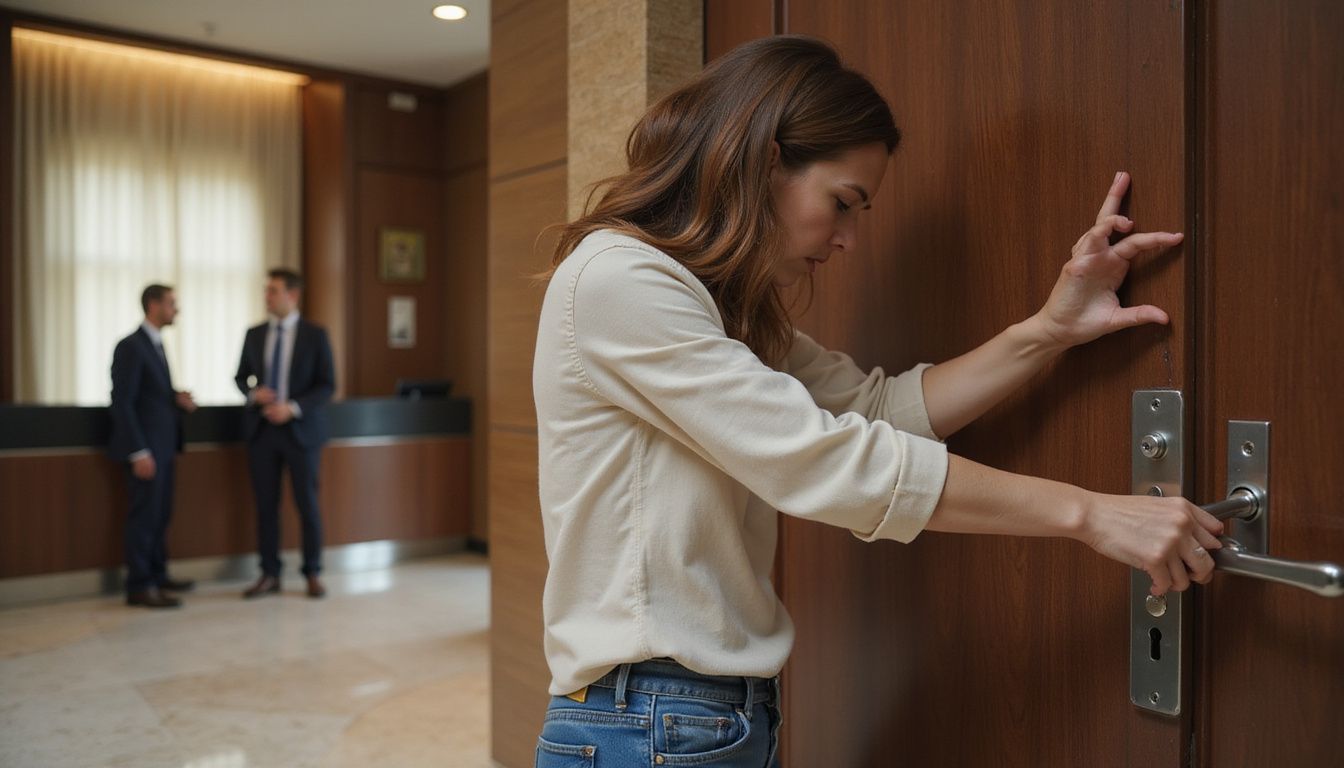
Choosing between an Airbnb and a hotel is not only about price, space, or location. For many travelers, security matters just as much.
Hotels often offer structured safety features: front desk staff, controlled entry, key cards, cameras in public areas, and faster help if something goes wrong. Airbnbs can offer more privacy, more space, and a home-like feel, but security can vary widely depending on the host, building, neighborhood, entry system, and local setup.
Neither option is automatically safer in every situation. A well-managed Airbnb in a quiet building may feel better than a poorly run hotel. A hotel with 24/7 staff may feel more reassuring than a remote rental with no on-site support. The right choice depends on your travel style, destination, comfort level, and how carefully you check the stay before booking.
This guide compares Airbnb vs hotels for security, including privacy, emergency support, neighborhood safety, entry access, and what travelers should review before choosing where to stay.
Key Takeaways
Hotels provide better security with key card access, 24/7 staff, CCTV cameras, and controlled entrances. They offer fast help during emergencies.
Airbnb rentals give more privacy but rely on each host's safety choices. Security features and emergency response can vary greatly from one listing to another.
Hotels are usually in well-lit tourist areas with clear safety rules and insurance coverage for guests. Airbnbs can be anywhere—even in less secure neighborhoods—so travelers must check locations closely.
Emergency support is stronger at hotels thanks to on-site teams like concierges or security guards; Airbnb guests often handle problems themselves or wait for the host’s reply.
Travelers should review all details before booking: hotel stays bring structure and oversight while Airbnbs deliver solitude but may lack strong protection if risks arise.
Key Security Features in Hotels
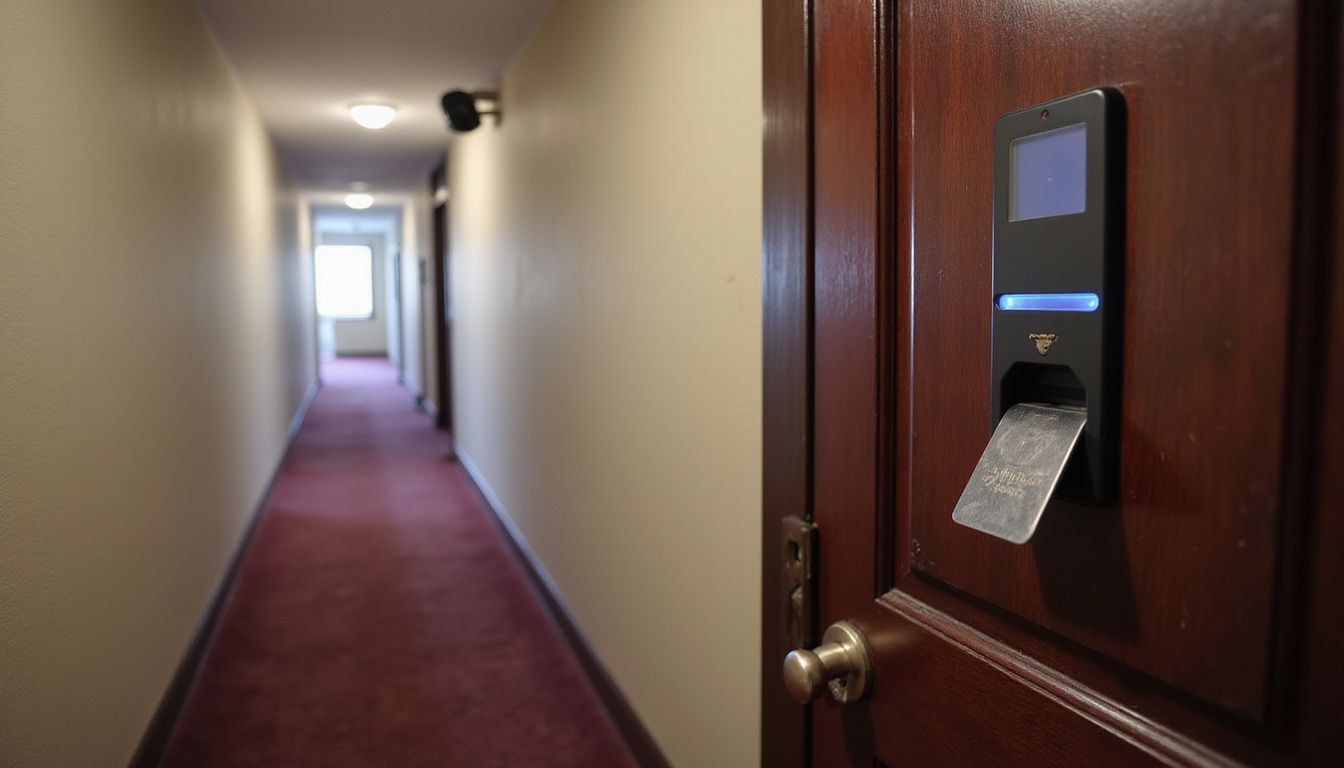
Hotels prioritize safety for their guests. They often have key card access and on-site staff to monitor activities. Security cameras dot the premises, creating an extra layer of vigilance.
The presence of security personnel gives travelers peace of mind during their stay.
Controlled entry points
Card access, security cameras, and front desk staff help hotels control who enters the building. Guests swipe a key card at main doors or elevators in most modern hotels. Security personnel often check for room keys after hours.
Hotels also use surveillance to spot suspicious activity near entry points.
You will not find random visitors wandering into a hotel lobby late at night. Separate entrances to guest-only areas add another layer of protection too. The hospitality industry uses these controlled entry measures to help guests feel safer during their hotel stay compared to many airbnb listings, where anyone with an address can approach the door without oversight.
On-site staff and surveillance
Hotel staff keep a close eye on activity inside and outside the property. Professional security guards, receptionists, cleaning crews, and doormen are present around the clock at many hotels.
With continuous monitoring through closed-circuit television (CCTV), guests benefit from extra layers of safety and quick responses to issues like lost baggage or suspicious behavior.
Hotels specialize in structured oversight so you can relax knowing someone is always available if there is trouble with your room or sudden risks during your stay.
Airbnb properties usually lack on-site personnel who watch over the area day and night. While some short-term rental hosts may install cameras at entryways for added security measures, most airbnbs rely on remote check-ins and communication protocols through apps or text messages instead of face-to-face assistance.
Unlike hotels that often have trained teams ready for emergencies, an Airbnb guest will need to contact their host directly if problems come up during their accommodation experience.
Key Security Features in Airbnbs
Airbnbs offer a cozy sense of privacy. Guests enjoy exclusive access to spaces like entire homes or unique rentals, from tree houses to chic apartments. However, security features vary based on the host’s decisions and practices.
Some hosts may implement detailed safety measures while others might leave things more casual.
Privacy and exclusive access
Booking an entire apartment or house as an Airbnb guest often means you get the place all to yourself. No shared walls with strangers, no loud hallway chatter at midnight like in traditional hotels.
You can cook your own meals in a full kitchen and come and go without staff watching every move. Some guests love being able to sleep late or work from their rental in peace.
“Having your own space makes travel feel more personal,” says many Airbnb users.
Unlike hotels, where oversight is higher due to on-site staff and cameras, Airbnbs offer fewer eyes on you during your stay. This setup suits travelers who value quiet time over hotel perks like room service or daily cleaning.
Privacy concerns sometimes pop up for those wary about hidden cameras, but most guests say exclusive access boosts comfort while traveling for vacation or business.
Security measures depend on the host
Airbnbs offer privacy and exclusive access, but security measures vary widely. Each Airbnb host sets their own protocols. Some may have solid safety features like cameras or smart locks, while others might not have any at all.
This inconsistency can leave guests feeling uncertain.
In contrast to hotels that follow standardized security rules, Airbnbs lack a uniform approach. Guests must research each listing carefully before booking. Platforms like BookYolo help travelers understand the available security features in both Airbnbs and hotels, giving them a clearer picture of potential risks before they click “book.”.
Comparing Emergency Support
When you need help, hotels stand out. Their concierge can jump in quickly, offering immediate support for any issue. On the flip side, Airbnbs often lack this prompt assistance. Guests will find that emergency response varies widely based on the host's setup and location.
If trouble strikes at a hotel, staff is usually just a call away. But in an Airbnb? You're often on your own until help arrives—or if it even does!
Hotel concierge and immediate assistance
Hotel concierges provide quick assistance to guests. They can help with bookings, transportation, and local recommendations. If you lose something, they will help you track it down.
Hotels often have on-site staff available 24/7 for emergencies.
In an Airbnb, your host might not be nearby. Most hosts do their best to assist but may not offer immediate support like hotel staff does. This difference can matter during a crisis or urgent situation.
Choosing a hotel means having that extra layer of security when you need it most.
Limited emergency response in Airbnbs
Airbnbs often lack a quick emergency response. Unlike hotels that have on-site staff, Airbnb hosts may not be available when trouble arises. If an emergency happens, guests must contact local services themselves.
Some hosts may provide help through text or phone calls, but this can delay assistance.
The level of safety measures varies widely among Airbnbs. Each host decides how to secure their property; therefore, the response plan might not meet everyone’s needs. Familiarizing yourself with the location's emergency services before your trip is essential for peace of mind in case something goes wrong.
Privacy vs Oversight
Hotels keep an eye on everything. They have structured safety systems that help travelers feel secure. On the flip side, Airbnbs offer more privacy but lack the same level of supervision.
You might enjoy cozy corners and personal touches, but you won’t find a concierge to assist you quickly like in hotels.
Hotels: Structured oversight
Security in hotels offers structured oversight that many travelers appreciate. Controlled entry points ensure only registered guests can access rooms. On-site staff patrol the premises, providing a sense of safety and immediate assistance if needed.
Hotels also employ surveillance systems that monitor common areas, enhancing overall security.
Most hotels adhere to strict safety regulations, including fire safety protocols and emergency procedures. This type of oversight protects guests during their stay. Guests often feel more secure knowing there is always someone available to help them, especially during emergencies.
The hotel environment is designed for traveler comfort and protection, allowing visitors to enjoy their trip with peace of mind while staying at a hotel.
Airbnbs: Greater privacy but less monitoring
Airbnbs offer travelers a chance to enjoy more privacy. Guests can access entire homes without the constant presence of hotel staff. This setup allows for a relaxed feel that many find appealing.
However, it also means less monitoring and oversight compared to hotels.
Hosts establish their own safety measures, which can vary widely from place to place. Some may provide security features like cameras or alarms, while others might not have any at all.
For those valuing personal space over consistent supervision, an Airbnb might be the right choice; just keep in mind that this freedom comes with some risks regarding safety and security.
Location and Neighborhood Safety
When you choose a hotel, you often land in areas that cater to tourists. On the flip side, Airbnbs could be anywhere—great spots or neighborhoods with less foot traffic.
Hotels in tourist-friendly areas
Hotels in tourist-friendly areas typically offer great advantages for travelers. They provide easy access to popular attractions, restaurants, and public transportation. Guests can enjoy the convenience of exploring without worrying about long commutes.
Many hotels prioritize security in these locations as well. They often have controlled entry points, on-site staff, and surveillance systems that enhance safety. Staying at a hotel means you’ll likely find yourself surrounded by fellow tourists, creating a lively atmosphere that makes travel more enjoyable.
Next up is comparing emergency support features in both hotels and Airbnbs.
Airbnbs vary based on host’s location
Airbnbs differ widely depending on the host’s location. Travelers should pay close attention to this factor. If a host operates in a bustling neighborhood, guests often enjoy vibrant surroundings and easy access to attractions.
However, some areas may pose safety concerns that reviews do not always highlight.
Local crime rates can suggest potential risks for Airbnb rentals. A guest staying in an upscale neighborhood might feel more secure than one in an area with a higher crime rate. Understanding the socio-economic conditions of the host's area is vital when assessing Airbnb accommodations, as these variations affect quality and safety directly.
Airbnb vs Hotel: Pros and Cons - The Ultimate Comparison
Here’s how short-term rentals stack up against hotels for security, plain and simple.
Feature | Hotels | Airbnb Rentals |
|---|---|---|
Entry Security | Lobby check-in; controlled access; key cards | Keyless entry or physical keys; no set protocol |
Staff Availability | 24/7 front desk; quick emergency help | Host contact varies; response may be delayed |
Surveillance | CCTV in common areas; security guards often present | Rarely cameras outside; privacy inside is standard |
Emergency Support | Concierge and direct line for emergencies | Rely on host or local emergency services |
Privacy Level | Housekeeping visits; frequent staff presence | Complete solitude; no staff unless requested |
Neighborhood Safety | Usually in commercial or tourist zones with better lighting and patrols | Neighborhood quality varies depending on location |
Rules & Oversight | Clear rules; monitored by management | Rules set by owner; less oversight |
Insurance & Support | Often insured; liability clear | Protection may depend on Airbnb’s policies |
Security Questions to Ask Before Booking Any Stay
Whether you choose a hotel or an Airbnb, the safest-feeling option is usually the one with clear information, consistent guest feedback, and fewer unanswered questions.
Before booking, ask:
Who can access the property?
Hotels may have controlled entry and front desk oversight. Airbnbs may use smart locks, lockboxes, or building access codes. Make sure the entry setup feels clear and secure.Is help available if something goes wrong?
Hotels often have on-site staff. Airbnb support depends on the host, response speed, and local emergency services.What do guests say about the location?
Look for repeated mentions of noise, poor lighting, uncomfortable streets, confusing access, or feeling uneasy late at night.Are there check-in concerns?
Complicated lockboxes, hard-to-find entrances, unclear instructions, or remote check-in issues can matter more when you arrive late or alone.Does the listing feel transparent?
Missing details, vague descriptions, overly polished language, or few practical photos can make it harder to judge the stay.Would you feel comfortable arriving after dark?
This is one of the simplest practical tests. If the answer is no, look more closely before booking.
This is why travelers should not only compare Airbnb vs hotels in general. They should compare the specific stay they are considering. Before committing, it can help to check an Airbnb before booking or verify hotel before booking.
When a Hotel May Be the Better Security Choice
A hotel may be a better fit if you want:
24/7 front desk support
A staffed lobby
Controlled access to guest floors
Easier help with lost keys, late arrival, or emergencies
A more predictable check-in process
More visible oversight in common areas
A central tourist or business district location
Hotels can be especially useful for solo travelers, late-night arrivals, business trips, first-time visitors to a city, or travelers who prefer quick access to staff.
That said, a hotel is not automatically the right choice. Some hotels have poor maintenance, noisy surroundings, weak service, or guest complaints that are easy to miss if you only look at the rating. Before paying, use a hotel stay checker to review the actual guest signals behind the listing.
When an Airbnb May Still Make Sense
An Airbnb may be a better fit if you want:
More privacy
More space
A kitchen or laundry
A quieter residential setting
More flexibility for families or groups
A longer-stay setup
A home-like experience
The trade-off is that security and support can vary more from listing to listing. Some Airbnbs have strong security, clear check-in, responsive hosts, and excellent locations. Others may have confusing access, weak support, or neighborhood concerns that are only visible in guest feedback.
Before booking, look beyond the photos and rating. Use an Airbnb listing checker to review whether the listing, reviews, and location signals match the type of stay you want.
How BookYolo Helps You Compare Airbnb vs Hotels Before Booking
BookYolo helps travelers check hotels, Airbnbs, and vacation rentals before booking. That is useful for security-conscious travelers because the safest-feeling stay is not always obvious from the headline rating, photos, or nightly price.
BookYolo scans for hidden red flags, review patterns, fake review signals, fee surprises, and expectation gaps. It can help you review whether a stay shows signs of:
Location concerns
Confusing access or check-in issues
Host or service responsiveness problems
Repeated noise complaints
Cleanliness or maintenance issues
Value mismatch
Listing descriptions that may oversell the experience
Guest feedback that sounds polite but cautious
BookYolo does not replace official safety advice, local emergency guidance, or your own judgment. But it can help you make a more informed stay decision before you book.
Conclusion
Choosing between Airbnb and hotels for security can be tricky. Hotels usually offer controlled access and on-site staff. They guarantee immediate help in emergencies. Airbnbs provide privacy but rely heavily on the host's safety measures.
Think about your travel needs when picking what feels safer for you. Either way, understanding the pros and cons helps you make a more informed choice.
Comparing Airbnb and hotels for your next trip?
Before you choose, run a free BookYolo stay check. BookYolo scans hotels, Airbnbs, and vacation rentals for hidden red flags, review patterns, fee surprises, fake review signals, and expectation gaps — so you can better understand what to expect before you arrive.
FAQs
1. How do hotels and Airbnb compare when it comes to security for guests?
Hotels typically offer comprehensive security measures. Many hotels employ on-site staff, use cameras in public areas, and require key cards for entry. In contrast, Airbnb may rely more on the host’s attention and local laws; safety can vary from one rental to another.
2. Are luxury hotels safer than budget resorts or Airbnbs?
Luxury hotels often provide extra layers of protection like 24/7 front desk service and private entrances. Budget options might skip some features, but most still follow basic hotel industry rules. With Airbnb, safety depends a lot on the property owner’s standards.
3. What should I know about resort fees and pricing versus safety in both stays?
The cost of a hotel sometimes includes a resort fee that covers amenities such as security staff or locked parking lots. An Airbnb could be cheaper than a hotel room but might not include these services unless stated up front by the host.
4. Is there any risk with gentrification or tourism trends affecting travel safety between rentals and traditional lodging?
Gentrification can change neighborhoods quickly; an area popular with tourists today could face new risks tomorrow. Hotels usually stay in busy zones where local authorities keep an eye out for travelers’ well-being while some vacation rentals pop up off the beaten path.
5. If I prefer privacy during my trip, does staying in an Airbnb mean less oversight compared to choosing a hotel over an apartment-style rental?
Staying at a hotel means you get regular check-ins from staff who look after guest rooms every day; this adds peace of mind if you value routine checks for your belongings’ safety whereas Airbnbs rarely have daily visits unless requested ahead of time.
6. Should my travel style influence whether I pick airbnb or hotel accommodations based on kind of safety provided?
If you want round-the-clock help or quick responses to customer inquiries then top hotels align better with that need since they’re required by law to meet certain standards unlike many short-term rentals which operate under different rules depending where you go.
Back
