

Travel Tips
Written by
BookYolo Team




Choosing between an Airbnb and a hotel is not always simple. A hotel may offer reliable service, daily housekeeping, front desk support, and predictable amenities. An Airbnb may offer more space, privacy, a kitchen, laundry, and a more local-feeling stay.
But neither option is automatically better.
A hotel can be overpriced, noisy, cramped, or disappointing. An Airbnb can look beautiful online but come with strict rules, surprise fees, inconsistent quality, or a host who is slow to respond. The best choice depends on your trip length, group size, destination, budget, comfort level, and how much support you want during the stay.
This guide compares the pros and cons of Airbnb vs hotels, when each option makes sense, and what to check before booking so you choose the stay that actually fits your trip.
Pros of Staying in an Airbnb
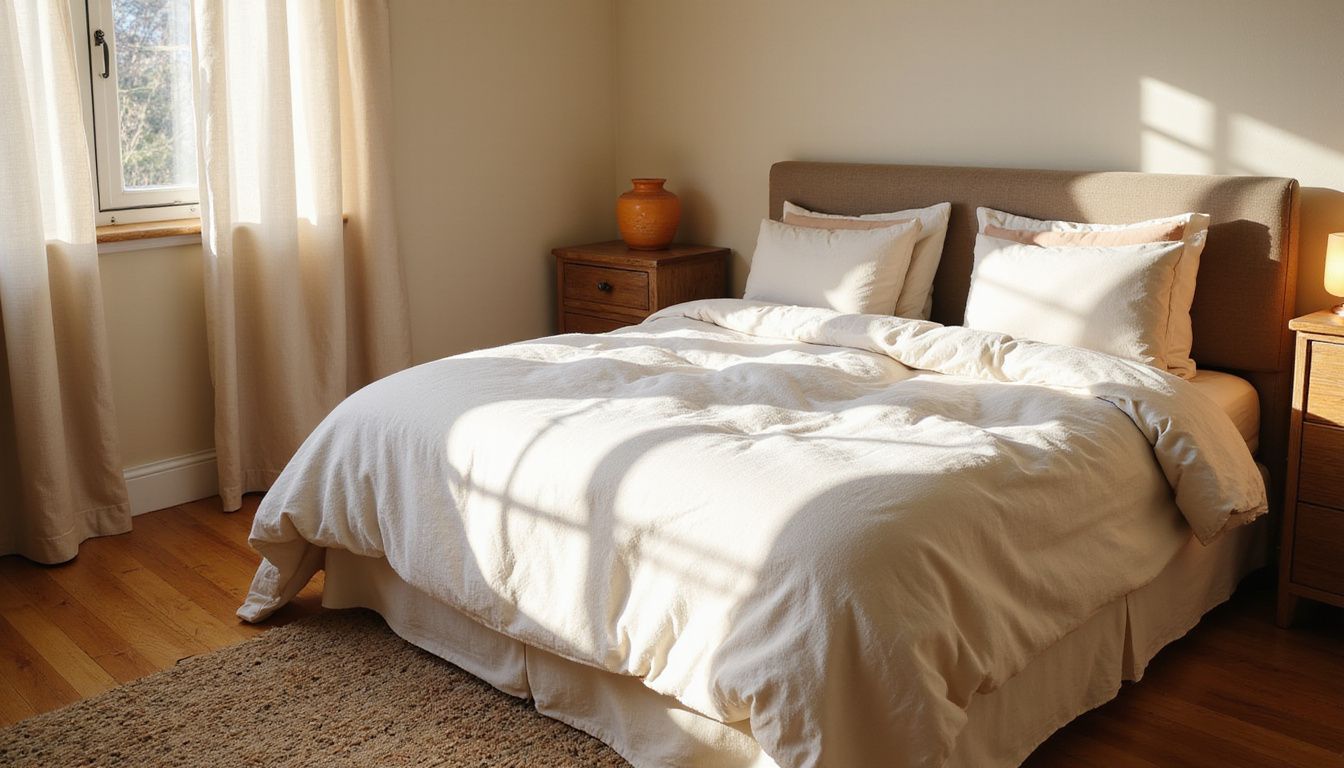
Staying in an Airbnb often saves you money, especially for longer trips. You gain access to local insights and a cozy atmosphere that feels like home.
Affordability for longer stays
Booking an Airbnb for a week or more made my wallet sigh in relief. Hotels often spike their prices per night, especially in cities like New York or London. With Airbnb, hosts offer weekly or monthly discounts that hotels rarely match.
My last trip to Mexico City saved me almost $300 compared to the cost of a hotel room with less space and no kitchen.
You can shop at local grocery stores and cook meals in your rental’s kitchen. That means lower meal costs than eating out three times a day. Most Airbnbs also provide laundry machines, which cuts down on expensive hotel laundry fees during long-term travel.
For families or groups needing extra bedrooms and living rooms, booking an apartment on Airbnb usually ends up cheaper than two adjoining hotel rooms.
Unique and local experiences
Stretching your dollar lets you stay longer, but living like a local offers a whole different adventure. Airbnbs make it easy to sink into neighborhoods where real folks live their daily lives.
Imagine waking up in an apartment above a bustling Mexico City market or sipping coffee on the porch of a cozy cottage in Kenya. Hosts sometimes leave handwritten notes with tips about hidden gems or invite guests to join backyard BBQs.
Some rentals come with bikes for exploring side streets or ingredients for prepping breakfast just like locals do.
Hotels rarely offer this open door to local life. Staff might recommend big tourist spots, but fewer give directions to that tiny grocery store down the block or share stories about neighborhood festivals.
Airbnb listings can include yurts, old school buses, villas, and apartments full of character found nowhere else; you’d be hard-pressed to find those at Marriott International or other big chains.
For travelers tired of cookie-cutter rooms and generic experiences, these options add personality and excitement without sacrificing comfort—or privacy.
More space and privacy
After soaking up the local vibes, you might crave a little breathing room. Airbnbs often provide more space than a standard hotel room. You can spread out in an entire apartment, villa, or even a house.
In 2023, Airbnb reported that 90% of their listings offered full kitchens and living rooms. Hotels usually limit you to one main room plus a bathroom.
I once stayed at an Airbnb in Mexico with friends and had three bedrooms plus two bathrooms for less than half the cost of booking separate hotel rooms. “There’s nothing like shutting your own door and feeling right at home,” my friend joked as we lounged on our private couch eating tacos from the nearby grocery store.
With most vacation rentals, privacy isn’t just possible; it’s expected. No need to share walls with noisy neighbors or wait for housekeeping to pass through common areas before you relax in peace after long days exploring popular tourist destinations like Kenya or resort-filled towns across Europe.
Cons of Staying in an Airbnb
Staying in an Airbnb can feel like a gamble. You might end up with unpredictable quality or sudden cancellations from your host, leaving you scrambling for a new place.
Unpredictable quality and cancellations
Airbnbs can surprise you with their quality. Some stay in perfectly charming homes, while others find themselves in less than ideal places. One time, my friends booked a seemingly perfect apartment only to arrive and discover it was nothing like the photos promised.
Mismatched furniture and dirty floors greeted them instead of the cozy vibe they expected.
Cancellations also add stress to this experience. Hosts can cancel on short notice for various reasons. I once planned a weekend getaway only to find my Airbnb host canceled a day before my trip; panic set in as I scrambled for another place to stay.
These unpredictabilities make it hard to know exactly what you're getting into when choosing an Airbnb over a hotel stay.
Limited customer support and security
Limited customer support can be a major downside of staying in an Airbnb. Unlike hotels, which often have dedicated staff available around the clock, Airbnbs rely on individual hosts.
If something goes wrong during your stay, you may struggle to reach someone for help. I once faced an issue with Wi-Fi at my rental; it took forever to get a response from the host.
Security also poses concerns. Many properties lack traditional hotel features like key card access and on-site security personnel. You might feel uneasy if you enter through shared entrances or stay in neighborhoods that are less familiar.
Some guests prefer the peace of mind that comes with hotel stays due to their robust safety measures and constant oversight. Moving forward, let's explore what makes hotels more appealing for travelers seeking reliability and consistency.
Pros of Staying in a Hotel
Hotels provide reliable service and amenities, so you know what to expect. Staff are available around the clock, offering help whenever you need it.
Consistent service and amenities
Many hotels provide reliable service and dependable amenities. Guests can expect clean rooms, fresh towels, and daily housekeeping. This level of consistency often gives travelers peace of mind during their stay.
Hotels typically offer features like 24-hour front desk support and room service. They cater to various needs, whether you want a late-night snack or need help with luggage storage.
These services add comfort to your experience, making it easy to relax after a long day of travel.
24/7 staff and enhanced security
Hotels offer staff around the clock. Guests can find help anytime, whether they need room service or have questions about local attractions. This convenience provides peace of mind, especially for solo travelers.
Security remains a top priority in hotels. Key card access protects guest rooms from unwanted visitors. Many hotels also implement surveillance systems to keep everyone safe and secure during their stay.
Travelers can unwind knowing that trained personnel watch over them and their belongings at all hours.
Cons of Staying in a Hotel
Hotels often come with a hefty price tag, especially for short stays. You might also find yourself limited to touristy areas, missing out on hidden gems.
Higher costs for shorter stays
Staying at a hotel can be pricey, especially for short visits. Many hotels charge high nightly rates. This makes a quick getaway feel more expensive than it should. A friend recently checked into a hotel for just two nights and faced steep costs due to the short stay.
Those extra fees added up quickly.
Airbnbs often lower costs for longer bookings, making them appealing for extended vacations. However, if you only need a place for one or two nights, hotels tend to hit harder on your wallet.
The average rate per night is typically higher compared to an Airbnb booking of three days or more; so plan accordingly!
Limited options for off-the-beaten-path locations
Many hotels focus on popular tourist destinations. They thrive on well-trodden paths, limiting your choices for off-the-beaten-path stays. Unique Airbnb listings often fill this gap.
Individual hosts showcase hidden gems in less-traveled areas. Travelers can find cozy homes or charming villas away from the crowds.
This lack of hotel options might frustrate adventurous spirits seeking authentic experiences. Hotels usually serve a predictable range of services that cater to mainstream needs instead of catering to unique desires for exploration and discovery.
Airbnb vs Hotel: Which One Fits Your Trip?
Instead of asking whether Airbnb or hotels are better overall, ask which one fits this specific trip.
Choose a hotel if you want:
24/7 front desk support
Daily housekeeping
Easier check-in and luggage storage
More predictable service
On-site amenities like breakfast, gym, pool, restaurant, or business center
Stronger support if something goes wrong
A short stay where convenience matters more than space
Choose an Airbnb if you want:
More space for a family or group
A kitchen or laundry
A longer stay
More privacy
A residential neighborhood feel
A unique property type
More flexibility for meals and daily routines
The trade-off is that hotels can feel smaller and more expensive, while Airbnbs can be less predictable. A hotel’s weak point is often value: room size, fees, noise, or service quality. An Airbnb’s weak point is often expectation risk: photos, rules, host reliability, cleanliness, and listing-vs-reality gaps.
Before booking either one, look for hotel stay quality signals or Airbnb stay quality signals so you are comparing the actual stay, not just the category.
Quick Decision Checklist: Airbnb or Hotel?
Use this checklist before booking:
How long is the trip?
Hotels often work well for short stays. Airbnbs may offer better value for longer stays.How many people are traveling?
Families and groups may benefit from Airbnb space, kitchens, and shared living areas.How much support do you want?
Hotels usually offer easier help through front desk staff. Airbnb support depends more on the host and platform.How important is consistency?
Hotels are usually more standardized. Airbnbs can vary widely from listing to listing.How much do fees change the price?
Airbnb cleaning fees, hotel resort fees, parking, taxes, breakfast charges, and service fees can all change the real cost.Will you cook or do laundry?
If yes, Airbnb may be more practical. If not, hotel amenities may matter more.Are you arriving late?
Hotels are often easier for late arrivals. Airbnb self-check-in can be convenient, but only if instructions are clear.Do reviews show repeated problems?
Repeated complaints matter more than the average rating.Does the stay match your comfort level?
Solo travelers, families, business travelers, and longer-stay guests may all weigh risks differently.Would you still book it after reading the worst recent reviews?
If the answer is no, keep comparing.
For hotels, check for hotel expectation gap issues before paying. For Airbnbs, watch for Airbnb reviews vs reality signals that show whether guest experience matches the listing.
Booking. com vs Airbnb for Europe Trips: Hotels or Vacation Rentals?
Deciding between Booking.com and Airbnb for your Europe adventure boils down to your style and priorities. Here’s my experience and a quick comparison to help you weigh the options:
Feature | Booking.com (Hotels) | Airbnb (Vacation Rentals) |
|---|---|---|
Price Range | Wide, from $40 hostels to luxury suites | Budget options for longer stays |
Booking Experience | Instant confirmation | Some listings need host approval |
Location Variety | Great in city centers | Tons of rural, residential, and offbeat options |
Service & Support | 24/7 front desk | Host availability varies |
Amenities | Standardized | Full kitchens, laundry, more space |
Cancellation Policy | Often free cancellation up to 24-48h | Strict or flexible; varies by host |
Security | Keycards, cameras, safes | Less formal; homey |
Loyalty Programs | Genius discounts, points, upgrades | Limited rewards |
Legal and Tax Issues | Registered, regulated | Local laws differ |
How to Decide: Airbnb or Hotel?
When weighing your options between an Airbnb and a hotel, think about your trip length, group size, and what you want from the stay. Each choice has its perks—so choose wisely! Curious for more tips? Keep reading!
Consider trip length, group size, and destination
Trip length matters a lot. Longer stays often benefit from Airbnb's lower nightly rates, making it easier to save money. Group size plays a big role too. If you travel with family or friends, Airbnbs usually offer more space and communal areas than hotels do.
Destination also influences your choice. Popular tourist spots may have many hotel options, but unique locations might feature interesting Airbnbs.
In urban areas, you can find both hotels and vacation rentals that suit different needs. Think about what fits your crew best before booking your stay at an Airbnb or hotel. Each option has its perks based on where you're headed and how long you'll be there.
Choosing the right lodging sets the tone for an enjoyable trip ahead!
How BookYolo Helps You Compare Airbnb vs Hotels Before Booking
BookYolo helps travelers check hotels, Airbnbs, and vacation rentals before booking. That is useful because the Airbnb-vs-hotel decision should not be based only on the category. It should be based on the specific stay you are considering.
A hotel may be the safer choice in theory, but still have review patterns around noise, small rooms, hidden fees, or poor cleanliness. An Airbnb may offer more space and privacy, but still show red flags around misleading photos, strict rules, host communication, or guest complaints.
BookYolo scans for hidden red flags, review patterns, fake review signals, fee surprises, and expectation gaps. It can help you compare:
Hotel review patterns
Airbnb listing reliability
Cleaning and maintenance concerns
Noise and comfort complaints
Fee surprises
Host or service responsiveness
Location mismatch
Stay quality signals
Booking confidence before you commit
If you are leaning hotel, use an AI hotel comparison tool. If you are leaning Airbnb, use an AI Airbnb review checker before booking.
Conclusion
Choosing between Airbnb and hotels can feel like a puzzle. Each option has its perks and drawbacks. Airbnb often offers charm, space, and savings for longer stays. Hotels provide reliable service and peace of mind with their security features.
Weigh what matters most to you before booking your next getaway.
Airbnb or hotel? Check the actual stay first.
The better choice depends on the specific property, not just the stay type. Before you book, run a free BookYolo check to scan for hidden red flags, review patterns, fee surprises, misleading signals, and expectation gaps.
FAQs
1. What are the main pros of staying in an Airbnb?
Airbnb offers a homey feel, often with more space and unique amenities. You can cook your meals, which saves money. Plus, you might find places in great locations that hotels overlook.
2. What are the cons of choosing a hotel over an Airbnb?
Hotels may lack character and personal touch. They often charge extra for services like parking or Wi-Fi. Also, you might have to deal with noisy neighbors or crowded lobbies.
3. How do costs compare between Airbnb and hotels?
Airbnbs can be cheaper than hotels for longer stays but not always for short visits. Hotels sometimes offer deals or packages that make them affordable too; it all depends on timing and location.
4. Which option is better for families: Airbnb or hotel?
For families, Airbnbs usually provide more room to spread out and relax together; plus they often include kitchens for easy meal prep. However, some families prefer the convenience of hotel services like daily cleaning and on-site dining options.
Back
