Destinations Guides
Written by
BookYolo Team

Choosing between Berlin and Munich for your German adventure can feel like picking between pizza and pasta. Both cities pack serious punch, but Berlin attracts over 14 million visitors annually while Munich draws about 8 million tourists each year.
This guide breaks down everything from beer gardens to historical sites, helping you decide which city matches your travel style and budget. Your perfect German getaway starts here.
Key Takeaways
Berlin attracts 14 million visitors annually compared to Munich's 8 million, with Berlin offering 15-20% lower costs for accommodation, food, and attractions.
Berlin features diverse international cuisine and 24-hour techno clubs, while Munich specializes in traditional Bavarian food and relaxed beer garden culture.
Munich provides better long-haul flight connections to 250 destinations across six continents, while Berlin offers extensive Eastern European rail access.
Berlin's extensive public transport includes U-Bahn, S-Bahn, trams, and buses with strong biking culture, while Munich offers compact, efficient transit systems.
Budget travelers find Berlin hostels starting at $15 nightly and street food under $8, while Munich averages $100-150 hotel rates and $20-30 restaurant meals.
Vibes and Atmosphere

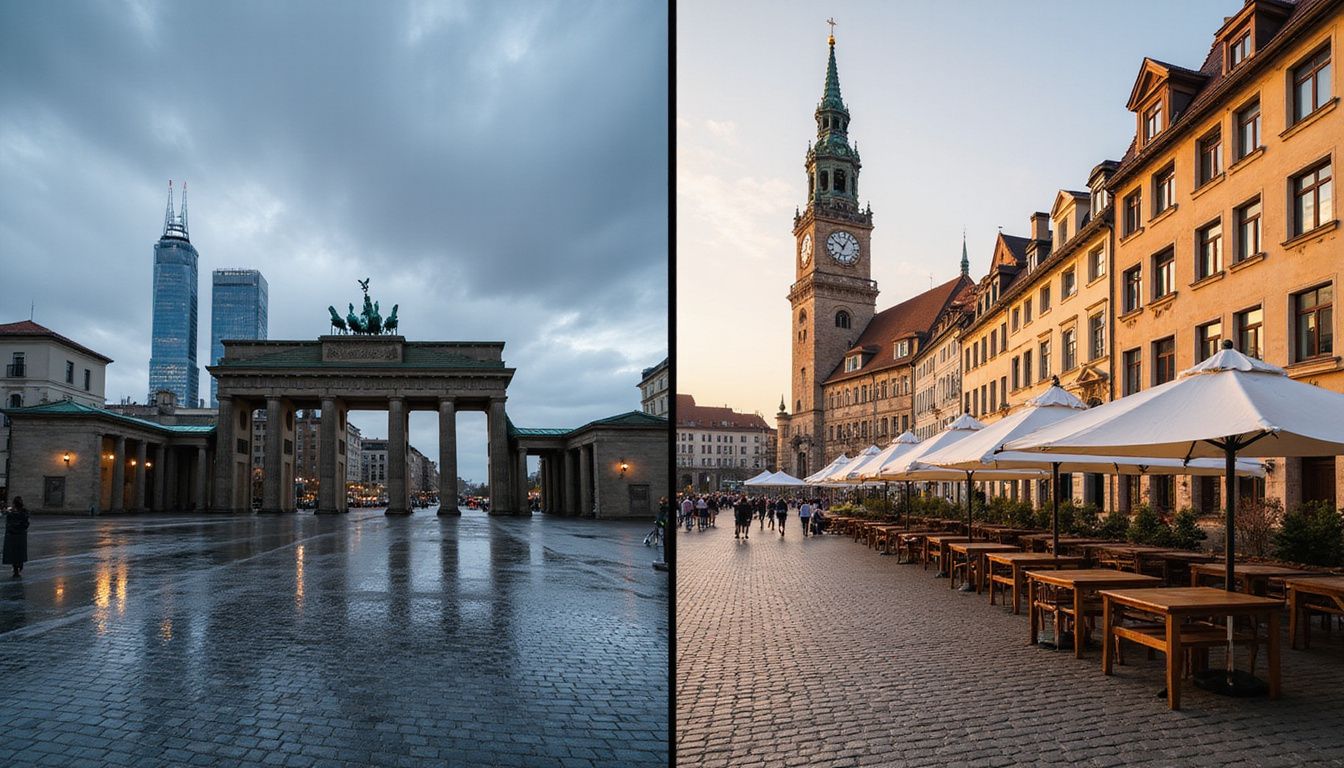
Berlin pulses with raw energy and street art that tells stories of the Cold War and World War II. Munich wraps you in Bavarian charm with cozy beer halls and fairy-tale architecture that makes you feel like you've stepped into a storybook.
Berlin: Edgy, artistic, and dynamic
Street art covers every corner of this sprawling metropolis. Artists flock here from around the globe, drawn by cheap rent and creative freedom. The city pulses with raw energy that you can feel walking through neighborhoods like Kreuzberg and Friedrichshain.
Galleries pop up in abandoned buildings, while underground music venues host experimental bands until dawn. This cultural scene thrives because Berlin embraces the unconventional.
Berlin is the only city where you can spray paint a wall legally and call it art.
Graffiti transforms concrete walls into outdoor museums. The dynamic atmosphere shifts constantly as new artists arrive and old spaces get reimagined. You'll find everything from techno clubs in former power plants to art installations in Cold War bunkers.
The city's artistic spirit flows through its veins like lifeblood, making every street corner a potential discovery. Munich offers a completely different vibe that appeals to travelers seeking traditional German charm.
Munich: Traditional, cozy, and picturesque
Munich wraps visitors in old-world charm like a warm Bavarian hug. Cobblestone streets wind through the city center, leading past Gothic churches and Renaissance palaces that tell stories of centuries past.
Beer gardens buzz with locals sharing steins and pretzels under chestnut trees. Traditional lederhosen and dirndls still grace festival crowds, especially during Oktoberfest season.
The architecture feels like stepping into a fairy tale, with ornate facades and clock towers that chime across quiet squares.
Bavaria's capital balances history with modern comfort perfectly. English Gardens offer peaceful walks along tree-lined paths, while nearby Alps create a stunning backdrop on clear days.
Local cuisine centers around hearty German food like schnitzel, sausages, and fresh-baked bread from family bakeries. Street musicians play folk tunes in Marienplatz while tourists watch the famous Glockenspiel dance.
Day trips to Neuschwanstein Castle or Dachau concentration camp memorial provide deeper cultural experiences just outside the city limits.
Accessibility
Both cities offer excellent airport connections that make reaching Germany a breeze. Berlin has two major airports while Munich's single hub connects you to destinations across Europe and beyond, making either city a smart starting point for your German adventure.
Airports and international connections
Berlin takes the crown for international connections. The city operates two major airports: Berlin Brandenburg Airport serves as the primary hub, while Schönefeld handles additional traffic.
Direct flights connect Berlin to over 190 destinations worldwide. Major airlines like Lufthansa, Ryanair, and EasyJet offer frequent departures to European capitals and beyond.
Munich Airport ranks among Europe's best for efficiency and comfort. The airport connects travelers to more than 250 destinations across six continents. Lufthansa uses Munich as a major hub, creating excellent connections to Asia, North America, and other German cities like Frankfurt.
Both airports provide solid accessibility, but Munich edges ahead with more long-haul options and superior airport amenities.
The best airport is the one that gets you where you want to go without breaking your budget or your spirit.
Ease of travel to other European destinations
Both cities serve as excellent gateways to Europe, but they offer different advantages. Munich sits closer to Austria, Switzerland, and Italy, making day trips to Salzburg or weekend escapes to the Alps incredibly simple.
High-speed trains connect Munich to major destinations like Vienna in four hours and Zurich in under four hours. The city's central location puts travelers within striking distance of some of Europe's most beautiful regions.
From the German capital, travelers gain access to an extensive network that reaches deep into Eastern Europe. Direct trains run to Prague in under five hours, while Warsaw becomes accessible in six hours.
The city's position makes it perfect for exploring Poland, Czech Republic, and the Baltic states. Budget airlines from both airports offer competitive rates to destinations across the continent, though flight times remain similar from either city.
Getting Around the City
Both cities offer excellent public transport systems, but they feel completely different to use. Berlin's sprawling network covers more ground with its mix of U-Bahn, S-Bahn, trams, and buses, while Munich's compact system gets you anywhere fast with punctual trains and clean stations.
Berlin: Public transport and biking culture
Berlin's public transport system ranks among Europe's most extensive networks. The city offers buses, trams, U-Bahn (subway), and S-Bahn (regional trains) that connect every corner of the metropolis.
Travelers find the system incredibly versatile and convenient for getting around. A single ticket grants access to all transport modes within the city zones. The network runs frequently, with trains arriving every few minutes during peak hours.
Biking culture thrives throughout Berlin's streets. The city features ample bike lanes that stretch across neighborhoods and major attractions. Rental shops dot street corners, making it easy for visitors to grab a bike and explore.
Many locals prefer cycling over driving, creating a bike-friendly atmosphere that welcomes tourists. The flat terrain makes pedaling effortless, even for casual riders. Bike paths lead directly to major sites like the Berlin Wall remnants and various historical landmarks.
This combination of excellent public transport and prominent biking culture gives travelers more options than most European capitals.
Munich: Public transit and walkability
Munich's public transport system makes getting around the city a breeze. The U-Bahn (subway), S-Bahn (regional trains), and trams connect every corner of the city efficiently. Most tourist attractions sit within walking distance of major stations.
You can buy day passes that cover all transport modes, making travel planning simple.
Munich's compact city center rewards walkers with stunning architecture at every turn. The pedestrian zones around Marienplatz create perfect conditions for exploring on foot. Most major sights cluster together in the old town, so you can hop from one landmark to another without breaking a sweat.
The city's bike-sharing program offers another great option for covering longer distances while soaking up the Bavarian atmosphere.
Cost Comparison
Money talks, and both cities speak different languages. Berlin typically costs 15-20% less than Munich for hotels, meals, and attractions, making it the clear winner for budget travelers.
Accommodation, food, and attractions
Berlin offers budget travelers more bang for their buck across all categories. Hostels start around $15 per night, while decent hotels run $60-80. Food costs stay low with street vendors selling currywurst for $3 and international food options filling every corner.
Major attractions like the Brandenburg Gate cost nothing to visit. Museum passes run about $15 and cover multiple sites. Munich prices hit your wallet harder. Hotels average $100-150 nightly, even in basic properties.
Bavarian food at traditional restaurants costs $20-30 per meal. Beer gardens offer better value with hearty portions around $15. Tourist attractions charge premium rates, with Neuschwanstein Castle day trips costing $50-70.
Both cities deliver excellent travel experiences despite the price gap. Berlin's diverse neighborhoods offer everything from luxury stays in Mitte to budget options in Kreuzberg. The city's international food scene means you can eat well without breaking the bank.
Munich compensates for higher costs with picture-perfect settings and authentic local experiences. Beer halls like Hofbräuhaus provide memorable nights, even if they cost more. Smart travelers can find deals in both cities by booking early and staying slightly outside city centers.
The choice often comes down to whether you prefer Berlin's edgy creativity or Munich's traditional charm.
Budget-friendly options in each city
Budget travelers will find Berlin offers more bang for their buck. Hostels start around €15 per night in neighborhoods like Friedrichshain and Kreuzberg. Street food markets serve filling meals for under €8.
Many museums offer free entry on certain days, and walking tours operate on a tip-based system. The city's extensive public transport day pass costs just €8.80.
Munich presents a pricier landscape but still offers smart savings opportunities. Budget accommodations cluster near the main train station, with hostel beds averaging €25 nightly.
Traditional beer gardens provide hearty meals at reasonable prices, especially during lunch hours. Free walking tours cover the historic city center, while many churches and parks cost nothing to explore.
Smart travelers can save money by visiting during off-peak seasons and booking accommodations well in advance.
Food costs vary dramatically between the two destinations.
Cities with the Biggest Gap Between Price and Quality: Affordable 2025 Living in Ranked Cheapest Places
Smart travelers know that getting the most bang for your buck matters more than just finding cheap prices. Cities across Europe offer wildly different value propositions, with some destinations delivering premium experiences at budget-friendly rates while others charge premium prices for mediocre quality.
Leipzig and Potsdam stand out as hidden gems where your travel budget stretches further than expected, offering rich history and culture without the hefty price tags of major tourist hubs.
Travel tips from nomadic experts reveal that smaller German cities often provide better value than their famous counterparts. These destinations offer authentic experiences, quality accommodations, and excellent dining options at prices that won't break the bank.
Rick Steves' Europe guides frequently highlight how secondary cities deliver memorable tourism experiences while keeping costs manageable for budget-conscious travelers.
Moving beyond pure cost considerations, let's examine the hidden expenses that can catch travelers off guard in both Berlin and Munich.
Unveiling the Hidden Costs of Airbnb and Hotels: What Most Travelers Miss
Booking a place to stay in Berlin or Munich can hit your wallet harder than expected. Many travelers focus on the nightly rate but miss the sneaky extras that pile up fast. Resort fees, cleaning charges, and city taxes often appear at checkout, turning that budget-friendly listing into a pricey surprise.
Hotels might add parking fees, Wi-Fi charges, or breakfast costs that weren't clear upfront. Airbnb hosts sometimes tack on service fees, security deposits, and mandatory cleaning costs that double your total bill.
BookYolo's AI-powered inspection engine helps you spot these hidden expenses before you book. The platform analyzes publicly available information from all major online travel agencies to decode what listings really cost.
Smart travelers use BookYolo to understand the full price picture, avoiding those nasty surprises that can wreck a carefully planned budget. This becomes especially important in expensive cities like Munich, where accommodation costs already stretch most wallets thin.
The Hidden Cost of Cheap Hotels: Why You Always Pay Later
Beyond the obvious hidden fees, cheap hotels often create problems that cost you more later. That rock-bottom rate might seem like a steal until you discover the threadbare towels, broken air conditioning, or sketchy neighborhood that forces you to spend extra on taxis.
Budget accommodations frequently skimp on cleaning standards, security measures, and basic maintenance.
Smart travelers know that paying slightly more upfront saves money in the long run. Poor hotel choices can ruin your entire trip to Berlin or Munich, forcing you to book last-minute alternatives at premium prices.
The stress of dealing with subpar conditions, noise complaints, or safety concerns often outweighs any initial savings. Your vacation time becomes too valuable to waste on fixing problems that proper research could have prevented.
How to Check if a Hotel Room Price is Overpriced
After discovering those sneaky fees that can double your bill, smart travelers need to spot overpriced rooms before booking. Price comparison sites like Booking.com, Expedia, and Hotels.com show you what different platforms charge for the same room.
Check at least three booking sites and compare their rates. Look at the hotel's direct website too, since they sometimes offer lower prices or perks like free breakfast.
Hotel pricing fluctuates based on events, seasons, and local demand in cities like Berlin and Munich. A room near Sachsenhausen concentration camp might cost more during memorial events, while Munich hotels spike during Oktoberfest.
Use tools like Google Hotel Search or Trivago to track price changes over several days. Facebook groups for travelers often share insider tips about fair rates for specific areas. Set price alerts on booking apps to catch drops, and always check cancellation policies before you commit to any residence booking.
Accommodation: Where to Stay in Berlin and Munich
Finding the right place to sleep can make or break your German adventure. Both cities offer distinct neighborhoods that cater to different travel styles and budgets.
Best neighborhoods for travelers
Berlin offers several districts that cater to different traveler preferences. Mitte puts you right in the thick of things, with major attractions like Brandenburg Gate and Museum Island within walking distance.
Kreuzberg buzzes with street art, alternative culture, and fantastic Turkish food that rivals anything you'll find in Istanbul. Prenzlauer Berg attracts visitors who want a quieter vibe while staying close to trendy cafes and boutique shops.
Friedrichshain delivers the perfect base for nightlife enthusiasts, housing some of the city's most famous clubs and bars.
Munich's neighborhoods each tell their own story and serve different types of travelers. Altstadt places you in the historic center, where you can walk to Marienplatz and sample traditional Bavarian cuisine without breaking a sweat.
Schwabing appeals to culture lovers with its museums, galleries, and university atmosphere that feels both intellectual and relaxed. Glockenbachviertel provides a hip alternative with rainbow crosswalks, craft cocktail bars, and a thriving LGBTQ+ scene.
Maxvorstadt combines the best of both worlds, offering easy access to art districts and beer gardens while maintaining a local residential feel that makes you forget you're a tourist.
Comparing hotels vs. Airbnb
Hotels in both cities offer consistent service standards and daily housekeeping. You get concierge help, room service, and professional staff around the clock. Most hotels provide loyalty points and easy cancellation policies.
Airbnb rentals give you more space for your money and kitchen access. You can cook your own meals and feel like a local resident. Many Airbnb hosts share insider tips about hidden gems in their neighborhoods.
Location matters more than accommodation type in both cities. Hotels cluster around train stations and tourist areas, making sightseeing easier. Airbnb properties spread across residential districts where you experience authentic German life.
Hotels work better for short stays and business travel. Airbnb suits longer visits and group trips where you want to spread out and save money on dining.
Airbnb vs Hotel: Pros and Cons – The Ultimate Comparison
Choosing between Airbnb and hotels in Berlin or Munich can make or break your German adventure. Airbnb rentals offer more space and kitchen access, perfect for longer stays in neighborhoods like Prenzlauer Berg in Berlin or Schwabing in Munich.
You'll save money on dining out and experience local life like a true resident. Hotels provide daily housekeeping, concierge services, and guaranteed amenities that create peace of mind.
Professional staff can help you book tours to nearby spots like Nuremberg or arrange transportation to the Rhine valley.
Budget travelers often lean toward Airbnb for better value, especially in expensive areas near Munich's Marienplatz or Berlin's Brandenburg Gate. Hotels shine for business trips or short weekend getaways where convenience trumps cost.
Both options work well for exploring World War 2 historical sites or planning day trips to charming towns like Darmstadt. Your choice depends on travel style, group size, and how much local flavor you crave during your German experience.
Ultimate Guide: Best Places to Stay in Europe 2026
Beyond weighing Airbnb against hotels, smart travelers explore Europe's hidden gems for their next adventure. Our comprehensive guide covers top destinations across the continent, from bustling capitals to charming small towns that offer unique experiences away from crowded tourist spots.
Europe's accommodation landscape changes rapidly, and 2026 brings fresh opportunities for savvy travelers. The guide highlights emerging destinations like Wiesbaden's thermal springs and the peaceful Odenwald region, perfect for travelers seeking authentic German culture.
Berlin's Wannsee district offers lakeside retreats, while nomadic Matt-style budget accommodations appear in unexpected corners of Eastern Europe. These lesser-known spots provide excellent value and memorable stays that beat mainstream hotel chains every time.
How to Avoid Bad Hotel Picks When Traveling
Bad hotel choices can turn your dream vacation into a nightmare. Smart travelers dig deeper than star ratings and flashy photos. BookYolo's AI-powered platform analyzes publicly available information to help you spot red flags before booking.
The service interprets fine print and highlights quality indicators that guest reviews often miss. Most travelers skip reading the actual booking terms, but these details reveal hidden fees and cancellation policies that could cost you later.
Location matters more than most people realize. A hotel might look perfect online but sit next to construction sites or busy highways. BookYolo covers major online travel agencies for comprehensive accommodation options, giving you a complete picture across multiple platforms.
The platform reveals patterns in guest feedback that individual reviews can't show. Check recent reviews from the past three months, not just the highest-rated ones. A basic version of BookYolo is free, making it accessible for budget-conscious travelers who still want quality insights.
Ultimate Travel Accommodation Safety Checklist: Tips for a Secure Stay
Avoiding poor lodging choices leads directly to another crucial step: protecting yourself during your stay. Safety concerns affect every traveler, from solo adventurers like Ali Garland to families exploring Berlin or Munich.
BookYolo's AI-powered inspection engine analyzes publicly available information to help travelers spot potential safety red flags before booking. Smart preparation beats reactive damage control every time.
Creating a comprehensive safety checklist starts with basic research and continues through checkout. Check door locks, window security, and emergency exits upon arrival. Verify that smoke detectors work and locate fire escape routes.
Document any safety concerns with photos and report issues immediately to property managers. BookYolo's platform decodes accommodation fine print to reveal quality indicators that often include safety features.
Store emergency contact numbers in your phone and share your location with trusted contacts. Trust your instincts if something feels off about your accommodation or neighborhood.
12 Signs an Airbnb is Misleading: Red Flags, Scams and Warning Signs
Spotting fake Airbnb listings can save your trip from disaster. Photos that look too perfect often hide problems. Hosts who pressure you to book immediately usually have something to hide.
Check if the location makes sense on maps. Prices way below market rates signal trouble ahead.
Reviews tell the real story about any property. Missing recent reviews or only five-star ratings raise red flags. Hosts who refuse video calls or detailed questions often run scams.
Property descriptions with vague details or stock photos spell trouble. Smart travelers verify everything before clicking "book now." Food culture plays a huge role in choosing between these two German cities.
Food and Drink Scene
Berlin serves up everything from Turkish döner kebabs on street corners to Michelin-starred restaurants, while Munich sticks to hearty Bavarian classics like schnitzel and pretzels washed down with world-famous beer.
Your taste buds will face completely different adventures depending on which city wins your heart.
Berlin: Diverse cuisines and street food
Food lovers hit the jackpot in this German capital. The city serves up everything from Vietnamese pho to Turkish döner kebabs on nearly every corner. Street food markets like Markthalle Neun and Street Food Thursday draw crowds hunting for authentic flavors from around the globe.
You can grab Korean BBQ for lunch and Ethiopian injera for dinner without breaking a sweat.
Food trucks and pop-up stalls make eating an adventure here. The city celebrates its gastronomic diversity through regular food festivals that showcase both international dishes and local German specialties.
Currywurst stands compete with falafel vendors, while trendy ramen shops sit next to traditional German bakeries. This culinary melting pot caters to vegans, meat lovers, and everyone in between, making every meal a chance to explore new tastes.
Munich: Traditional Bavarian food and beer culture
While Berlin offers global flavors and trendy street food, Munich takes you straight into Bavaria's culinary heart. This southern German city serves up traditional dishes that have fed locals for centuries.
Munich's food scene revolves around hearty Bavarian specialties like pretzels, bratwurst, and schnitzel. Beer gardens dot the city landscape, offering massive steins of locally brewed beer alongside classic comfort food.
Oktoberfest draws millions of visitors each fall, but Munich's beer culture thrives year-round in historic beer halls like Hofbräuhaus. These traditional establishments create an authentic atmosphere where travelers can sample local brews while enjoying live folk music.
The city's culinary experiences focus on regional ingredients and time-tested recipes that showcase Bavaria's rich food heritage.
Nightlife and Entertainment
Berlin's nightlife runs deep into the early morning hours with legendary techno clubs and underground bars that never seem to close. Munich takes a different approach with its famous beer gardens and traditional festivals that create a more relaxed social scene perfect for meeting locals and fellow travelers.
Berlin: Clubs, bars, and underground scenes
Berlin's nightlife scene operates like a 24-hour playground that never sleeps. The city's clubs welcome everyone with open arms, creating an inclusive atmosphere where varied music genres flow from techno to house to experimental sounds.
Underground venues hide beneath the streets, offering experiences you won't find anywhere else in Europe. These spaces celebrate diversity and freedom, making every night feel like an adventure.
The bar scene tells its own story through converted warehouses, hidden speakeasies, and rooftop terraces. Travelers seeking a lively and diverse nightlife often choose Berlin over other German cities because the options seem endless.
The underground culture thrives in abandoned buildings and secret locations, where DJs spin until sunrise and crowds dance without judgment. This vibrant club scene and underground culture draws party-goers from across the globe who want something different from their typical night out.
Munich: Beer gardens, festivals, and relaxed
While Berlin pulses with electronic beats until dawn, Munich takes a completely different approach to nightlife. The Bavarian capital embraces a more laid-back social scene that revolves around outdoor gatherings and traditional celebrations.
Beer gardens form the backbone of Munich's social life. These sprawling outdoor venues like Augustiner-Bräu and Englischer Garten's Chinesischer Turm welcome thousands of locals and tourists daily.
People sit at long wooden tables under chestnut trees, sharing pretzels and steins of fresh beer. The atmosphere stays relaxed and family-friendly, with children playing nearby while adults chat over their drinks.
Oktoberfest represents Munich's festival culture at its peak, drawing over six million visitors each year to massive beer tents filled with traditional music and hearty food. Smaller festivals happen throughout the year, from Christmas markets to spring celebrations, each maintaining that cozy Bavarian charm that makes Munich feel like a warm hug after Berlin's intense energy.
FAQs
1. Which city costs more for travelers, Berlin or Munich?
Munich hits your wallet harder than Berlin does. You'll pay about 20-30% more for hotels, meals, and drinks in Bavaria's capital. Berlin gives budget travelers more bang for their buck.
2. What makes Berlin different from Munich for sightseeing?
Berlin serves up heavy history with the Berlin Wall, Brandenburg Gate, and Holocaust Memorial. Munich offers fairy-tale castles, beer gardens, and Alpine charm just outside the city. Think gritty urban culture versus traditional Bavarian sweetness.
3. Which German city has better nightlife for young travelers?
Berlin takes the crown here, hands down. The city never sleeps, with clubs staying open until Monday morning and beyond.
4. Should families choose Berlin or Munich for their German vacation?
Munich wins this round with Marienplatz's glockenspiel, nearby Neuschwanstein Castle, and family-friendly beer gardens. Berlin works too, but Munich feels more welcoming for kids with its smaller size and fairy-tale atmosphere.
Back