

Destinations Guides
Written by
BookYolo Team




Porto and Lisbon both deliver a strong Portugal trip, but they suit different travelers. Porto feels intimate, romantic, and slightly more budget-friendly, while Lisbon offers more nightlife, bigger-city energy, and easier access to major attractions.
This guide compares the two cities by atmosphere, cost, food, safety, day trips, and where to stay. The goal is to help you choose the destination that matches your travel style — and then check the actual quality of your accommodation before you book. BookYolo can help you inspect hotels and vacation rentals for recurring complaints, hidden issues, and expectation gaps.
Key Takeaways
Porto costs 10% less than Lisbon for accommodations and dining, making it the more budget-friendly choice for travelers.
Lisbon offers superior nightlife, more museums, and greater variety in attractions compared to Porto's quieter, romantic atmosphere.
Both cities rank among Europe's safest destinations, with Porto feeling more intimate and Lisbon requiring typical urban precautions.
Porto excels for wine enthusiasts and couples seeking romance, while Lisbon attracts younger travelers wanting cosmopolitan energy.
Day trips from Porto include Douro Valley wineries, while Lisbon provides easy access to Sintra's palaces and Cascais beaches.
Atmosphere and Character
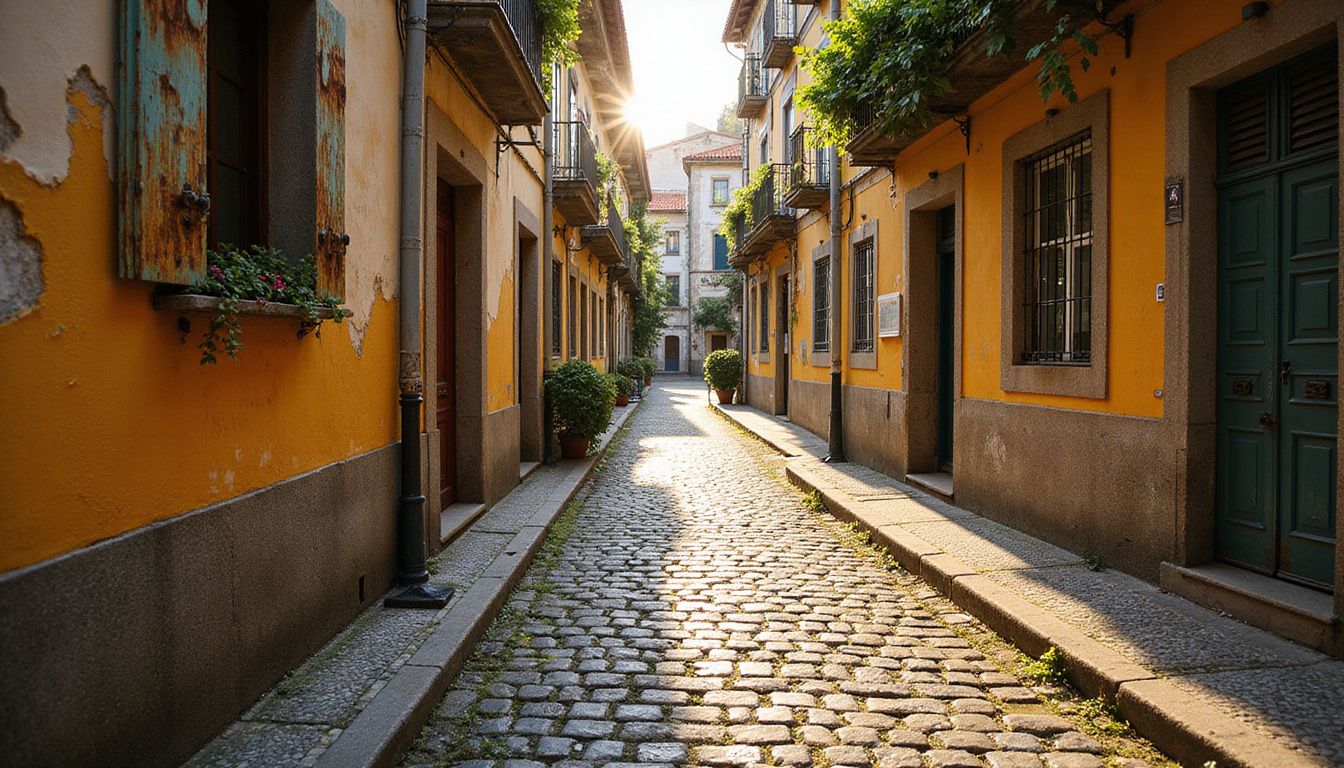
Porto wraps you in a warm hug with its cobblestone streets and azulejo-tiled buildings that whisper stories from centuries past. Lisbon buzzes with modern energy while still honoring its rich history, creating a perfect blend of old meets new that keeps visitors on their toes.
The charm of Porto: Old-world feel and romantic vibes
Cobblestone streets wind through Porto like pages from a storybook. Ancient buildings lean against each other, their azulejo tiles catching sunlight in brilliant blues and whites. This compact city whispers tales of centuries past through every corner.
Stunning views stretch across the Douro River, where colorful houses cascade down hillsides like watercolors bleeding into canvas. The old-world charm hits you immediately. Gothic churches stand proud next to medieval walls, creating a romantic backdrop that feels almost magical.
Wine culture flows through Porto's veins like lifeblood. Port wine cellars line the riverbanks, offering tastings that spark romance between couples. The walkable layout makes exploration feel effortless and intimate.
Narrow alleyways reveal hidden cafes where locals sip coffee and share stories. Luxurious hotel options provide comfort without breaking the bank. The culinary scene adds another layer to the romantic atmosphere, with traditional dishes served in candlelit restaurants.
Every sunset paints the city in golden hues, making even simple evening strolls feel like scenes from a love story. But how does this old-world romance compare to Lisbon's modern energy?
Lisbon’s energy: Vibrant and cosmopolitan atmosphere
Lisbon pulses with an electric energy that hits you the moment you step off the plane at Lisbon Portela Airport. The city features diverse neighborhoods like Bairro Alto and Alfama District, each bursting with their own personality and charm.
Street art covers building walls while traditional Fado music drifts from cozy taverns. Modern galleries sit next to centuries-old churches. This mix creates a cosmopolitan atmosphere that feels both worldly and authentically Portuguese.
Young professionals sip coffee at sidewalk cafes while tourists hunt for the perfect pastéis de nata. The energy never stops.
Lisbon is a city that lives and breathes culture, where every corner tells a story of old meets new.
Museums showcase everything from ancient artifacts to contemporary art installations. The lively nightlife appeals particularly to younger travelers who flock to rooftop bars and underground clubs.
Traffic flows through busy streets as trams clatter past historic landmarks like Belém Tower and Jerónimos Monastery. Praça do Comércio buzzes with activity from dawn to dusk. Solo women traveling find the city welcoming and safe for exploration.
Europe offers many capitals, but few match Lisbon's ability to blend tradition with modern city life so seamlessly.
Attractions and Landmarks
Both cities pack serious punch with their historical sites and architectural wonders. Porto's Ribeira district draws crowds with its colorful riverside buildings, while Lisbon's Belem Tower stands guard over the Tagus River like a medieval sentinel.
Top sights in Porto: Ribeira, Livraria Lello, and Clerigos Tower
Porto's top attractions pack serious visual punch and historical significance. The Ribeira district sits along the Douro River with colorful buildings that look like they jumped straight out of a fairy tale.
Narrow cobblestone streets wind through this UNESCO World Heritage site, leading to riverside cafes and traditional Portuguese restaurants. Street performers add energy to the waterfront promenade while locals gather for evening conversations.
Livraria Lello stands as one of the world's most beautiful bookstores, famous for inspiring JK Rowling during her time in Porto. The red spiral staircase curves upward like something from Harry Potter's world, while intricate wooden carvings and stained glass windows create an almost magical atmosphere.
Book lovers often wait in long lines just to step inside this architectural masterpiece. Clerigos Tower rises 249 feet above the city, offering panoramic views that stretch across Porto's terracotta rooftops to the Atlantic Ocean.
Climbing the 240 steps tests your stamina, but the scenic views from the top reward every huffing breath.
Must-visit spots in Lisbon: Belem Tower, Alfama, and Jeronimos Monastery
Lisbon packs a punch with three must-see spots that tell the story of Portugal's golden age. Belem Tower stands guard at the Tagus River, showcasing the city's rich maritime history through its stone walls and watchtowers.
This iconic landmark served as a fortress and ceremonial gateway for explorers setting sail to discover new worlds. Alfama winds through narrow cobblestone streets where traditional Fado music echoes from tiny taverns and local homes.
This historic neighborhood feels like stepping back in time, with laundry hanging between buildings and locals chatting from their doorsteps.
Alfama is the soul of Lisbon, where every corner whispers stories of the past and every note of Fado carries the heart of Portugal.
Jeronimos Monasterydominates the landscape with its stunning Manueline architectural style, earning its place as aUNESCO World Heritage site. The monastery's intricate stone carvings and soaring arches make it a photographer's dream and history buff's paradise.
Lisbon boasts a greater number of tourist attractions compared to Porto, giving visitors more options to explore during their city break. These three landmarks form the perfect travel itinerary foundation, each offering a different slice of Portuguese culture and history that you simply can't miss.
Food and Drink Scene
Both cities serve up incredible flavors that'll make your taste buds dance. Porto pours famous port wine while Lisbon perfects those flaky pasteis de nata that melt in your mouth.
Porto’s specialties: Port wine and traditional dishes
Porto stands as a premier destination for wine enthusiasts, with its famous Port wine taking center stage. Local cellars line the Vila Nova de Gaia waterfront, offering tastings that showcase centuries of winemaking tradition.
The sweet fortified wine pairs perfectly with the city's hearty cuisine. Traditional dishes like francesinha sandwich and tripas à moda do Porto reflect the region's rich culinary heritage.
Food lovers discover authentic flavors in Porto's cozy taverns and family-run restaurants. Fresh seafood from the Atlantic coast appears on most menus, often prepared with simple ingredients that let natural tastes shine.
The city's food scene complements its wine culture beautifully, creating memorable dining experiences. Local chefs serve generous portions at reasonable prices, making Porto an ideal spot for couples seeking a romantic getaway filled with excellent food and drink.
Lisbon’s culinary delights: Pastel de Nata and seafood
Lisbon's food scene delivers experiences that make your taste buds dance. The city's iconic dessert, Pastel de Nata, stands as Portugal's crown jewel of sweets. These creamy custard tarts with their perfectly caramelized tops originated in Belém and quickly conquered hearts worldwide.
You'll find the best versions at Pastéis de Belém, where monks first created this heavenly treat centuries ago. Every bite offers a perfect balance of silky custard and flaky pastry that melts in your mouth.
Seafood takes center stage across Lisbon's diverse neighborhoods, offering fresh catches that arrive daily from the Atlantic. Grilled sardines sizzle on street corners during festival season, filling the air with smoky aromas.
Bacalhau dishes appear in countless variations, from simple grilled fillets to complex casseroles. Caldeirada, a hearty fish stew, showcases the ocean's bounty in one satisfying bowl.
The wider range of fresh options available means you can sample everything from octopus salad to cataplana seafood rice. These culinary experiences enhance the city's vibrant tourism appeal, making every meal an adventure.
Now let's explore how these two cities stack up after dark.
Nightlife Comparison
Porto offers cozy wine bars and riverside spots where locals gather to share stories over glasses of port. Lisbon brings the party with rooftop bars, underground clubs, and soulful Fado performances that echo through narrow streets until dawn.
Porto’s laid-back nightlife: Cozy wine bars and riverside ambiance
Porto's nightlife scene feels like a warm hug after a long day of exploring. Cozy wine bars line the cobblestone streets, where locals sip glasses of famous Port wine while chatting with friends.
The city's romantic atmosphere draws couples who want to share intimate moments over a bottle of vintage tawny. Small taverns stay open late, but the vibe remains calm and welcoming.
You won't find pounding music or crowded dance floors here. Instead, soft conversations and gentle laughter fill the air.
Riverside venues along the Douro offer stunning views of the water at sunset. Many establishments feature outdoor terraces where you can watch boats drift by while enjoying traditional Portuguese snacks.
The historic charm of these waterfront spots creates perfect backdrops for memorable evenings. Solo travelers feel safe walking between venues, as the compact city center keeps everything within easy reach.
This serene nightlife experience sets Porto apart from busier European capitals, making it ideal for wine enthusiasts and anyone seeking a more relaxed evening scene.
Lisbon’s vibrant scene: Clubs, rooftop bars, and Fado music
Lisbon transforms into a playground after dark. Clubs pulse with energy until dawn breaks. Rooftop bars offer stunning city views while you sip cocktails. Fado music venues provide intimate settings where soulful melodies tell stories of Portuguese life.
The city attracts younger travelers who crave excitement and cultural experiences. Europe's nightlife scene shines brightest here before heavy tourism changes everything.
Warm weather makes outdoor venues perfect year-round. Dance floors stay packed with locals and visitors mixing together. Traditional taverns serve wine alongside live Fado performances.
Modern establishments feature DJs spinning electronic beats. Lisbon's superior nightlife options beat what you'll find up north. The atmosphere feels electric, especially compared to quieter Portuguese cities.
Now let's look at how your wallet will handle these two destinations.
Prices and Affordability
Porto wins the budget battle hands down, with meals costing about 30% less than Lisbon and hotel rooms running significantly cheaper. Lisbon offers more dining variety and luxury options, but you'll pay a premium for the capital city experience.
Porto: Budget-friendly accommodations and dining
Porto delivers exceptional value for travelers watching their wallets. Consumer prices sit approximately 10% lower than Lisbon, making every euro stretch further. Boutique hotels offer luxurious amenities at reasonable rates that would cost double in other European capitals.
Solo woman traveling can find safe, stylish accommodations without breaking the bank.
Dining costs remain refreshingly affordable throughout the city. Traditional restaurants serve hearty portions at prices that leave room for dessert. The acclaimed Port wine culture means you can sample world-class vintages without premium pricing.
Airbnbs provide another budget-friendly option, often featuring authentic Portuguese charm in historic neighborhoods near public transport links.
Lisbon: Slightly higher costs but greater variety
Lisbon's consumer prices run about 10% higher than Porto's. Hotels, restaurants, and attractions cost more in the capital city. However, this price bump comes with serious perks. Lisbon offers a much wider range of museums, tourist sites, and entertainment options.
You'll find everything from world-class art galleries to trendy rooftop bars. The city's diverse accommodation options span from budget hostels to luxury hotels, giving travelers more choices for every wallet size.
The extra cost often pays off for visitors who crave variety. Lisbon's vibrant nightlife scene beats Porto's more relaxed atmosphere hands down. Food lovers discover countless restaurants serving everything from traditional Portuguese dishes to international cuisine.
Museums and cultural sites dot nearly every neighborhood. This greater variety in attractions may justify the higher costs for many travelers, especially urbanites seeking that bustling city life experience.
Your accommodation choices will play a big role in your overall budget planning.
Accessibility and Transportation
Getting around both cities feels like a breeze, but each offers different perks for travelers. Porto charms visitors with its walkable cobblestone streets and compact downtown, while Lisbon dazzles with its iconic yellow trams and efficient subway network.
Getting around Porto: Walkable streets and compact city center
Porto feels like a city built for walking. You can stroll from the historic Ribeira district to the towering Clerigos in about 15 minutes. The compact layout means most major attractions sit within a comfortable walking distance of each other.
Cobblestone streets wind through neighborhoods filled with azulejo tiles and wrought-iron balconies.
The city's walkable design makes exploration effortless and enjoyable. Porto's compact city center eliminates the need for constant public transport or expensive taxi rides. Your feet become your best transportation tool here.
The pedestrian-friendly streets let you discover hidden cafes, local shops, and stunning viewpoints at your own pace. This accessibility creates a perfect environment for romantic getaways and leisurely exploration.
Lisbon’s public transport: Tram rides and metro system
Lisbon's metro system connects all major neighborhoods with four color-coded lines that make getting around simple. The network reaches every corner of the city, from historic districts to modern business areas.
Historic Tram 28 offers visitors a scenic journey through Lisbon's most famous neighborhoods, climbing steep hills and passing iconic landmarks. These yellow trams provide access to attractions while giving tourists a taste of local life.
The metro runs frequently throughout the day and stays open until 1 AM on weekends. Tram services complement the subway system perfectly, reaching areas where metro lines don't extend.
Both transport options use the same rechargeable card system, which saves money for travelers planning multiple trips. The extensive public transport network makes day trips to nearby coastal towns like Cascais and Sintra incredibly easy to arrange.
Day Trips and Surrounding Areas
Both cities offer incredible escapes just a short train ride away. Porto puts you within reach of the stunning Douro Valley wine region and the historic birthplace of Portugal in Guimarães, while Lisbon opens doors to fairytale Sintra with its magical palaces and the coastal charm of Cascais and Estoril.
Day trips from Porto: Douro Valley and Guimarães
The Douro Valley stretches just an hour from Porto by train or car. This UNESCO World Heritage site offers stunning vineyard terraces that cascade down hillsides like green staircases.
You can take a scenic river cruise along the Douro River or hop on the historic train that winds through the valley. Port wine tastings happen at quintas (wine estates) where families have made wine for centuries.
The town of Peso da Régua serves as the valley's main hub. Here you'll find the Douro Museum and plenty of riverside restaurants serving grilled fish and regional specialties.
Guimarães sits about 30 minutes northeast of Porto and holds the title "Birthplace of Portugal." This medieval town features cobblestone streets and well-preserved architecture from the 10th century.
The imposing Guimarães Castle stands as Portugal's first royal residence. You can explore the Palace of the Dukes of Braganza with its collection of tapestries and furniture. The historic center earned UNESCO protection for its authentic medieval atmosphere.
Local cafes serve traditional pastries while artisan shops sell handmade crafts. Both destinations make perfect day trips that showcase different sides of northern Portugal's rich heritage.
Day trips from Lisbon: Sintra, Cascais, and Estoril
Lisbon serves as your gateway to three incredible destinations just a train ride away. Sintra captivates visitors with its fairytale palaces and breathtaking landscapes that look straight out of a storybook.
Cascais beckons beach lovers with its golden shores and charming coastal vibe perfect for unwinding. Estoril draws entertainment seekers to its famous casino and scenic seaside promenade where luxury meets relaxation.
Trains and buses make reaching these gems incredibly convenient for day-trippers. Each destination offers something completely different from the others. Sintra's royal palaces tell stories of Portuguese royalty, while Cascais provides that perfect beach town escape you've been craving.
Estoril combines gambling excitement with ocean views that stretch for miles. Safety becomes a crucial consideration when exploring these areas, especially during evening hours.
Safety and Solo Travel
Both Porto and Lisbon rank among Europe's safest cities for solo travelers, though each presents different urban experiences that require smart planning. Porto feels like a protective older sibling with its tight-knit neighborhoods and friendly locals, while Lisbon buzzes with big-city energy that rewards street-smart visitors who stay alert.
Porto’s welcoming and safe environment
Porto creates a bubble of safety that makes solo travelers feel at home. The city maintains low crime rates and locals go out of their way to help visitors find their way around. Street harassment stays minimal, and violent crime rarely touches tourist areas.
Police patrol regularly through popular neighborhoods, creating visible security for everyone walking around.
Solo female travelers report feeling comfortable exploring Porto's streets even after dark. The compact layout means you never wander too far from busy areas filled with people. Locals speak enough English to assist with directions or recommendations.
The authentic atmosphere draws visitors who respect the city's character, creating a community feeling among tourists and residents alike.
Lisbon’s safety tips and urban exploration
Lisbon ranks as one of Europe's safest capitals, but smart travelers still take basic precautions. Pickpockets target busy tourist areas like Rossio Square and Tram 28, so keep valuables in front pockets or a money belt.
Stick to well-lit streets after dark, especially in neighborhoods like Cais do Sodré. The city's steep hills and cobblestone streets can be tricky to walk on, particularly after rain.
Most locals speak English and happily give directions if you look lost.
Urban exploration in Lisbon means climbing those famous seven hills and discovering hidden viewpoints. The Alfama district's narrow alleys lead to stunning overlooks, but some paths dead-end at private homes.
Bairro Alto transforms from quiet daytime neighborhood to bustling nightlife hub after 10 PM. Street art covers many walls in areas like LX Factory, creating an open-air gallery. Public restrooms are scarce, so duck into cafés for a quick coffee and bathroom break.
Your accommodation choice will greatly impact your daily walking distance and safety comfort level.
Accommodations
Porto offers budget-friendly boutique hotels that pack charm without breaking the bank. These cozy spots often feature traditional Portuguese tiles and warm hospitality that makes you feel like family.
Porto: Affordable boutique hotels
Boutique hotels in this northern Portuguese city offer luxury without breaking the bank. Travelers find stylish accommodations with character at prices that would shock visitors to other European capitals.
Consumer prices run about 10% lower than Lisbon, making your dollar stretch further. These intimate properties blend historic charm with modern comfort, often housed in restored buildings that tell stories of centuries past.
Wine enthusiasts particularly love staying in boutique hotels near the Douro River, where Port wine cellars sit just steps away. Many properties feature rooftop terraces overlooking the red-tiled cityscape and river views.
The walkable streets make it easy to explore from your base, whether you choose a converted mansion in the historic center or a design-forward hotel in the cultural quarter. Couples seeking romantic getaways find these smaller hotels perfect for creating memorable experiences without the hefty price tags found in other major cities.
BookYolo as your pre-booking check
Before committing to a stay, BookYolo is a Vacation Rental Review Checker can help you understand whether the property looks reliable, risky, oversold, or worth a closer look. It is designed to make booking decisions easier by highlighting the kinds of signals travelers often miss.
FAQs
1. Which city costs more to visit, Porto or Lisbon?
Lisbon typically costs more than Porto for hotels, restaurants, and attractions. Porto offers better bang for your buck, especially if you're watching your wallet. You'll find cheaper wine, food, and accommodation in Portugal's northern gem.
2. What's the main difference in atmosphere between these Portuguese cities?
Porto feels like a cozy neighborhood where everyone knows your name. Lisbon buzzes with big city energy and cosmopolitan vibes. Think small town charm versus capital city sophistication.
3. Which city has better food and wine experiences?
Porto wins hands down for wine lovers since it's the birthplace of port wine. Both cities serve incredible seafood and pastries, but Porto's food scene feels more authentic and less touristy.
4. How do transportation options compare between Porto and Lisbon?
Lisbon has more extensive metro lines, buses, and trams covering the sprawling city. Porto's smaller size means you can walk most places or hop on their charming vintage trams. Both cities connect well to other European destinations through their airports.
Back
