

Travel Tips
Written by
BookYolo Team




Positive reviews can make a hotel or vacation rental look safe, but negative reviews often reveal the details that actually matter. A glowing rating may tell you that many travelers had a decent stay, while a critical review may point to the specific issue that could ruin yours: noise, cleanliness, weak service, hidden fees, poor sleep, or a listing that does not match expectations.
That does not mean every negative review should scare you away. The key is to understand whether the complaint is isolated, emotional, outdated, or part of a repeated pattern. One bad review may be harmless; several reviews mentioning the same problem are much harder to ignore.
This is why BookYolo looks beyond surface-level praise. Our Hotel Review Checker, Airbnb Review Checker, and Vacation Rental Review Checker help travelers spot hidden red flags, fake review signals, recurring complaints, and expectation gaps before they book.
The Psychological Impact of Negative Reviews on Consumers
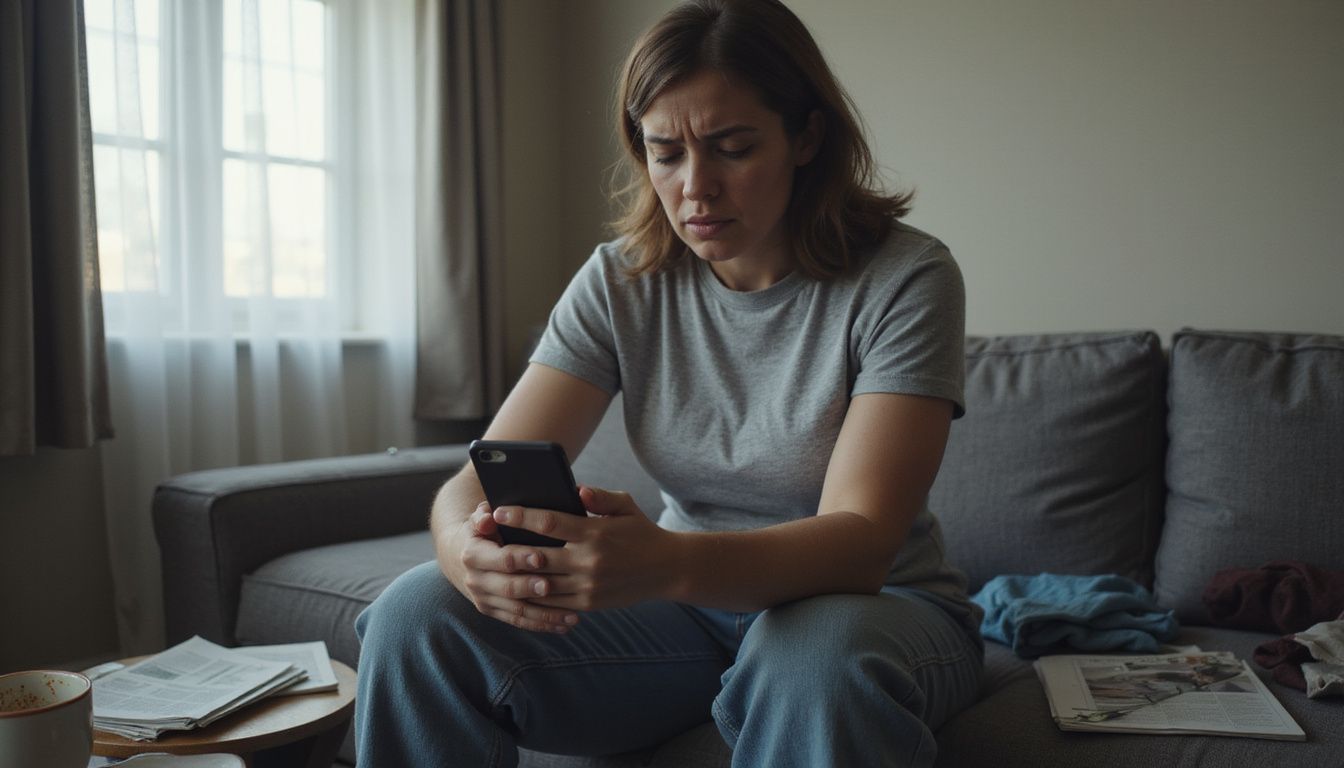
Negative reviews often hit harder than positive ones. They shape how consumers feel about a brand and influence their choices.
Understanding why perfect ratings can be a red flag
Perfect five-star scores often ring false. Extremely high averages make shoppers suspect fake positive reviews or filtered feedback. Platforms sometimes hide critical posts to protect a brand image.
Skeptical consumers want balance, not a flawless score.
Five stars can hide real problems.
A negative review offers clear signals for product fixes. Responding fast shows good customer service and builds trust. A frank bad review can drive product changes and boost long term brand loyalty.
This idea leads into the psychology behind vacation rentals’ star ratings.
The psychology behind vacation rentals’ star ratings
Hosts see star scores shape bookings fast. Consumers weigh a five-star label against a few critical reviews. I hosted a beach bungalow for two years and watched guest choices shift after a single negative review.
This mix of praise and criticism, plus rare fake five-star posts, helps consumers judge trust more than a string of pristine posts.
Booking sites display the oldest and the newest online reviews first, which highlights extremes. A guest once wrote about a broken heater, and I replied within hours to calm a worried prospect.
Owners who fix cited issues fast turn unhappy visitors into loyal repeat customers. Next, we will look at how negative feedback drives better business improvements.
Why Negative Feedback Drives Better Business Improvements
Negative feedback often sparks real change in businesses. Restaurants, for example, can fix issues after learning about them from unhappy diners.
Why vacation rental reviews skew positive
Guests often skip a negative review to avoid awkwardness with hosts. Hosts can ask for reviews and guests feel pressure to post positive comments. Platforms nudge five-star ratings and push templates that favor positive reviews.
A few blunt reviews tell more than a wall of fives.
This bias makes it hard for consumers to spot real problems and fake praise. Smart buyers hunt for negative feedback and odd details that reveal real product quality. Business owners who address bad ones and respond fast gain trust and boost bookings.
How often are travel reviews manipulated?
After seeing why vacation rental reviews skew positive, we move on to how often travel reviews are manipulated.
Topic | Summary |
|---|---|
Prevalence | Experts and platforms say manipulation is common; estimates vary by market and site. |
Tactics | Common methods include paid praise, fake accounts, review swaps, and incentivized posts. |
Perpetrators | Actors who profit range from single owners to PR firms and organized rings. |
Platform response | Platforms deploy automated filters, manual audits, and legal measures to remove bogus comments. |
Red flags | Quick signals include identical wording, single-review profiles, and sudden rating spikes. |
First-hand note | I worked as a short term host and learned to sniff out phony praise during 2019 monitoring. |
Actionable tips | Traveler tips are to read mid-range reviews, check guest photos, and favor detailed accounts. |
Detecting fake or promotional hotel reviews
Identifying fake hotel reviews is crucial for making informed choices. Understanding the signs can help you avoid misleading information.
Look for generic language. Fake reviews often use vague phrases without specific details about the stay.
Check for overly positive or negative tones. Reviews that sound too good to be true may not be genuine.
Examine reviewer profiles. New accounts with only a few reviews might indicate a fake reviewer trying to promote a property.
Pay attention to review dates. A sudden surge of positive reviews around the same time can signal manipulation.
Watch for repetitive phrases. If multiple reviews use similar wording, they may come from the same source or campaign.
Analyze star ratings versus text content. A glowing review paired with a low star rating raises red flags about authenticity.
Observe how detailed the review is. Genuine reviewers often share unique experiences, while fake ones lack depth and insight.
Be suspicious of extreme opinions that don’t reflect average experiences, either overly praising or harshly criticizing without support.
Search for specific mentions of amenities, location, and staff interactions; genuine feedback typically includes these elements.
Use third-party tools or websites to scan for review patterns and identify credibility issues.
Assessing hotel reviews requires vigilance and keen observation skills to spot potential frauds effectively.
Use BookYolo to weigh negative reviews properly
Negative reviews are often more useful than positive ones because they highlight specific risks. But they also need context. A single harsh review may reflect one bad experience, while repeated complaints about the same issue can reveal a real stay-quality problem.
BookYolo helps travelers read those signals more carefully. It works like a Fake Hotel Review Detector, AI Hotel Checker, and AI Vacation Rental Checker by looking for patterns across reviews, including repeated complaints, vague praise, suspicious wording, rating-text mismatches, and signs that a listing may be oversold.
Before you dismiss a negative review or trust a wall of positive ones, use BookYolo to check a hotel before booking or check an Airbnb before booking. It helps you understand whether the warning signs look minor, outdated, or important enough to affect your decision.
Spot fake hotel reviews
Identifying fake hotel reviews can save you from a disappointing stay. Knowing the signs helps you make informed decisions.
Check the reviewer's history. Genuine reviewers often have multiple reviews across different locations and times. Look for consistency in their feedback style.
Evaluate the language used in reviews. Fake reviews tend to use overly positive or generic phrases, lacking personal insights or specific details about their experience.
Watch out for extreme ratings. Reviews that are either glowing five stars or harsh one stars with little nuance may indicate bias, particularly if they lack context.
Analyze the timing of reviews. A sudden spike of positive reviews within a short period might suggest manipulation rather than genuine customer experiences.
Look for detailed descriptions of both pros and cons in the review content. Authentic reviewers will usually highlight both good and bad aspects instead of just praising or criticizing without substance.
Observe the patterns in user behavior on review sites like TripAdvisor or Google Reviews. If a hotel has mostly perfect scores but lacks critical feedback, it could be a red flag.
Search for reviewer profiles when possible; real users often provide background information about themselves or include photos that lend credibility to their posts.
Read beyond the first page of reviews; sometimes, hidden gems of truth lie further down where less biased sentiments reside.
Pay attention to responses from hotel management to negative feedback; helpful and professional responses can point out how seriously they take concerns and engage with customers.
Use online tools to verify reviewer identities if available, as some platforms provide features that can help check if accounts are legitimate or suspiciously created for promotional purposes.
Before you book, run the listing through BookYolo to check for hidden red flags, review patterns, fake review signals, and expectation gaps that may not be obvious from the rating alone.
Conclusion
Negative reviews hold more power than positive ones. They provide honest insight and help businesses grow. Customers often suspect glowing five-star ratings are too good to be true.
When a bad review pops up, it sparks curiosity and builds trust. A mix of feedback teaches companies how to meet customer expectations better. Embracing negative experiences can turn them into golden opportunities for improvement.
FAQs
1. Why are negative reviews more valuable than positive ones?
Negative reviews often provide deeper insights. They highlight specific issues customers face, helping businesses understand where they can improve. Positive reviews tend to praise what’s already working.
2. How can businesses benefit from negative feedback?
Businesses can use negative feedback to make changes that enhance customer satisfaction. Addressing complaints shows customers that their opinions matter and helps build trust.
3. Should I worry about receiving too many negative reviews?
Not necessarily! A few negative reviews can be a blessing in disguise. They offer a chance for growth and improvement, plus they make your business seem more relatable and human.
4. How should companies respond to negative reviews?
Companies should respond promptly and thoughtfully to show they care about customer concerns. A good response can turn a frustrated customer into a loyal one, proving the value of all feedback received.
Back
